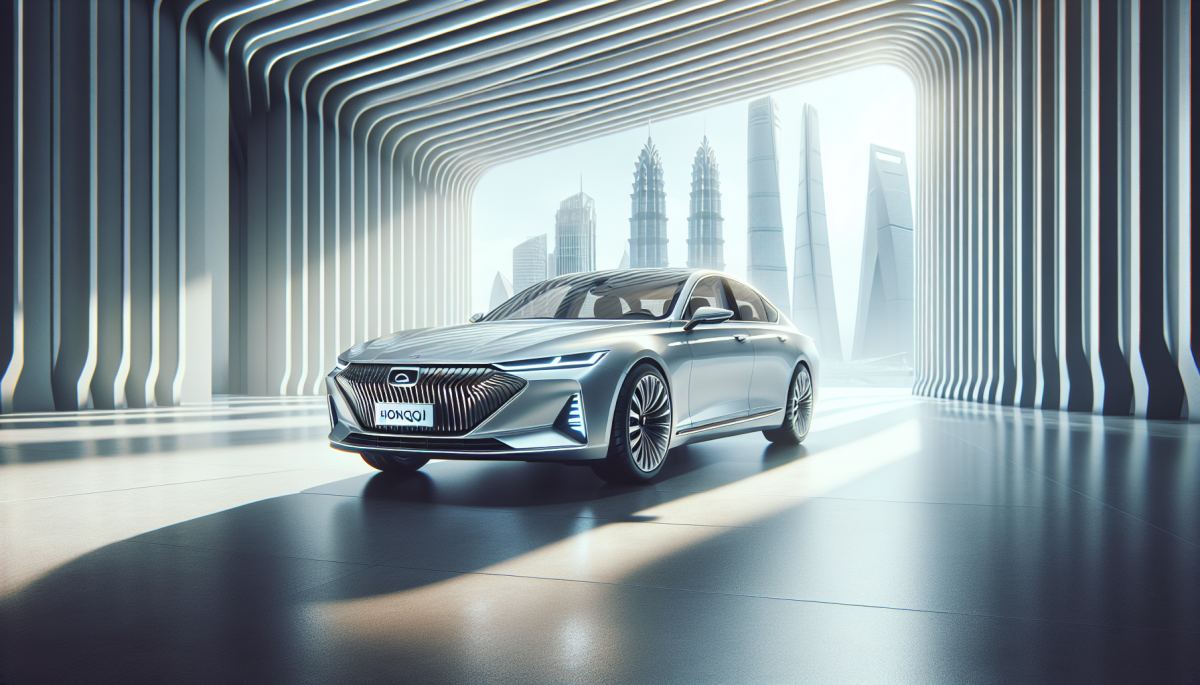
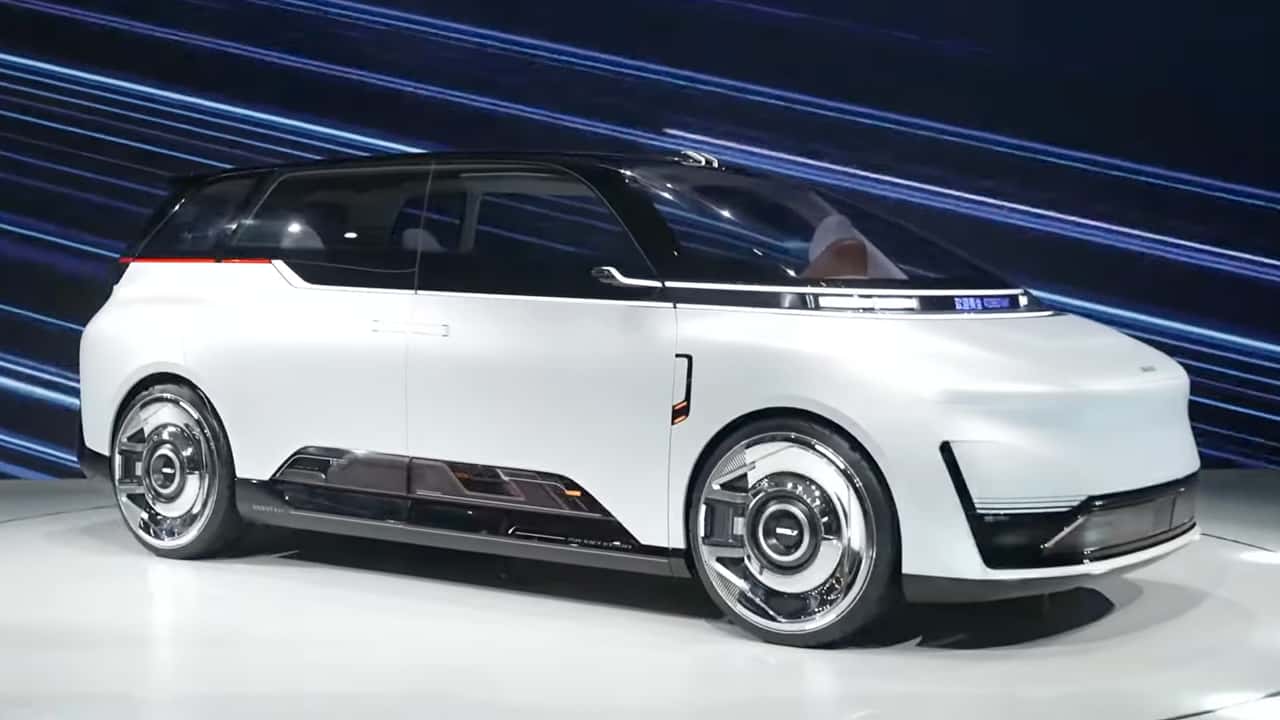
Hongqi has never been a subtle brand. The name translates to "Red Flag," and for decades it served as the rolling symbol of Chinese state power, ferrying Communist Party officials through Tiananmen Square while the rest of the country rode bicycles. Today, the brand positions itself as China's answer to Rolls-Royce and Bentley, producing lavish sedans and SUVs that retail for six figures and carry the unmistakable weight of national prestige. Now, according to recent reports, Hongqi may be eyeing a far more pragmatic move: using a Stellantis manufacturing plant in Spain as a backdoor into the European electric vehicle market.
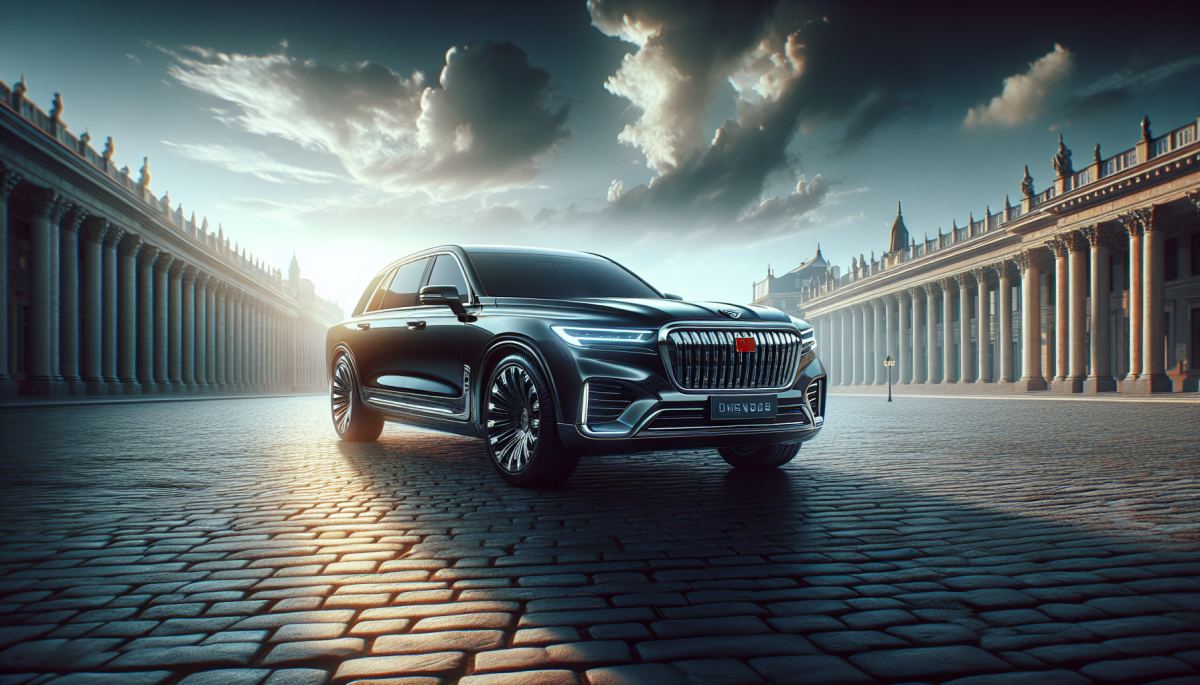
The logic, if the arrangement materializes, is straightforward enough. The European Union imposed steep tariffs on Chinese-made electric vehicles in 2024, with levies on certain manufacturers reaching above 35 percent on top of the existing 10 percent duty. Those tariffs were designed specifically to slow the advance of Chinese automakers who benefit from state subsidies that European manufacturers cannot match. Building or assembling vehicles inside the EU, however, sidesteps that wall entirely. A Hongqi EV assembled in Zaragoza is, at least in the eyes of customs law, a European car.
This is precisely the kind of second-order consequence that trade policy architects often underestimate. Tariffs are blunt instruments. They raise the cost of a specific transaction, the import of a finished good, but they do not eliminate the underlying competitive pressure or the capital looking for a way around the barrier. What they frequently do instead is accelerate foreign direct investment into the protected market. Japanese automakers did exactly this in the United States during the 1980s, building plants in Ohio and Kentucky after Washington pressured Tokyo over trade imbalances. The factories that were meant to be kept out ended up inside the border, employing local workers and becoming politically difficult to dislodge.
Stellantis, for its part, has been navigating a brutal restructuring. The company has idled plants, cut tens of thousands of jobs across Europe and North America, and faces relentless pressure from shareholders to return to profitability. An underutilized factory in Spain represents a cost rather than an asset unless it can be put to work. Leasing or partnering that capacity to a well-funded Chinese brand solves a short-term problem for Stellantis while giving Hongqi the European manufacturing footprint it needs. Both parties get something they want, and the tariff regime that was supposed to protect European industry ends up facilitating a deeper integration of Chinese automotive ambition into the continent's industrial base.
The irony is not lost on European policymakers who spent years warning about technology transfer and supply chain dependency. A Chinese brand assembling vehicles in Spain would likely source some components locally to satisfy rules-of-origin requirements, but the core technology, the battery systems, the software platforms, the electric drivetrains, would almost certainly remain Chinese. Europe would gain assembly jobs while the higher-value intellectual and industrial work stayed in Jilin Province, where Hongqi's parent company FAW Group is headquartered.
What makes Hongqi's ambitions particularly interesting from a systems perspective is the brand's dual identity. Domestically, it is a symbol of Party loyalty and national achievement, the car you drive when you want to signal that you have arrived within the Chinese system. Internationally, the company is attempting to reframe that heritage as exotic prestige, the kind of storied provenance that European luxury buyers supposedly crave. Whether that translation works in Munich or Milan remains genuinely uncertain. European luxury consumers are not obviously hungry for a brand whose most famous association is state funerals and military parades.
But Hongqi does not necessarily need to conquer the luxury segment to make the European gambit worthwhile. Establishing a manufacturing presence, building dealer networks, accumulating regulatory approvals and consumer data, these are the foundational moves of a long-term market entry strategy. The prestige branding may be less about immediate sales volume and more about establishing legitimacy and avoiding the discount-brand stigma that has haunted other Chinese automakers trying to break into Western markets.
The deeper question for European industrial policy is whether the tariff wall, having potentially accelerated Chinese assembly operations onto European soil, has made the continent more or less exposed to the competitive forces it was trying to manage. If Hongqi and others like it establish roots inside the EU's manufacturing geography, future policy responses become considerably more complicated. You cannot easily tariff a factory in Zaragoza.
References
- Reuters (2024) — EU sets final tariffs on electric vehicles from China
- European Commission (2024) — Anti-subsidy investigation on battery electric vehicles from China
- Financial Times (2024) — Stellantis cuts output and jobs as profits slump
- Bloomberg (2023) — China's Hongqi Wants to Be the Rolls-Royce of Electric Cars
Discussion (0)
Be the first to comment.
Leave a comment