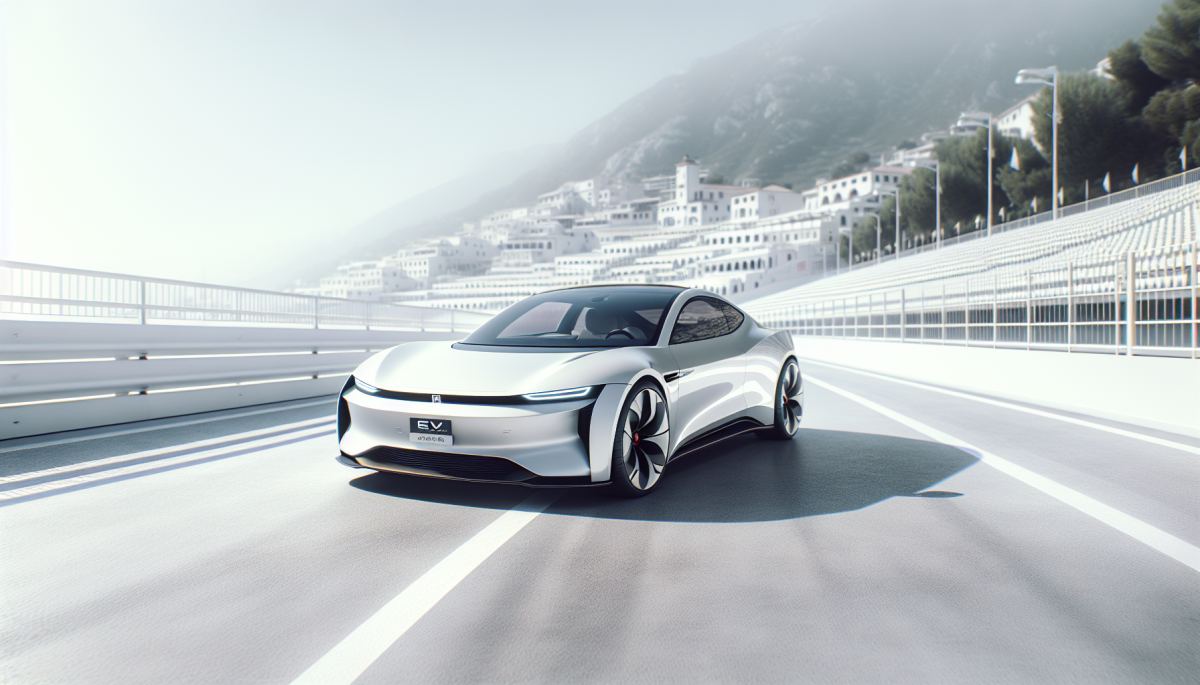
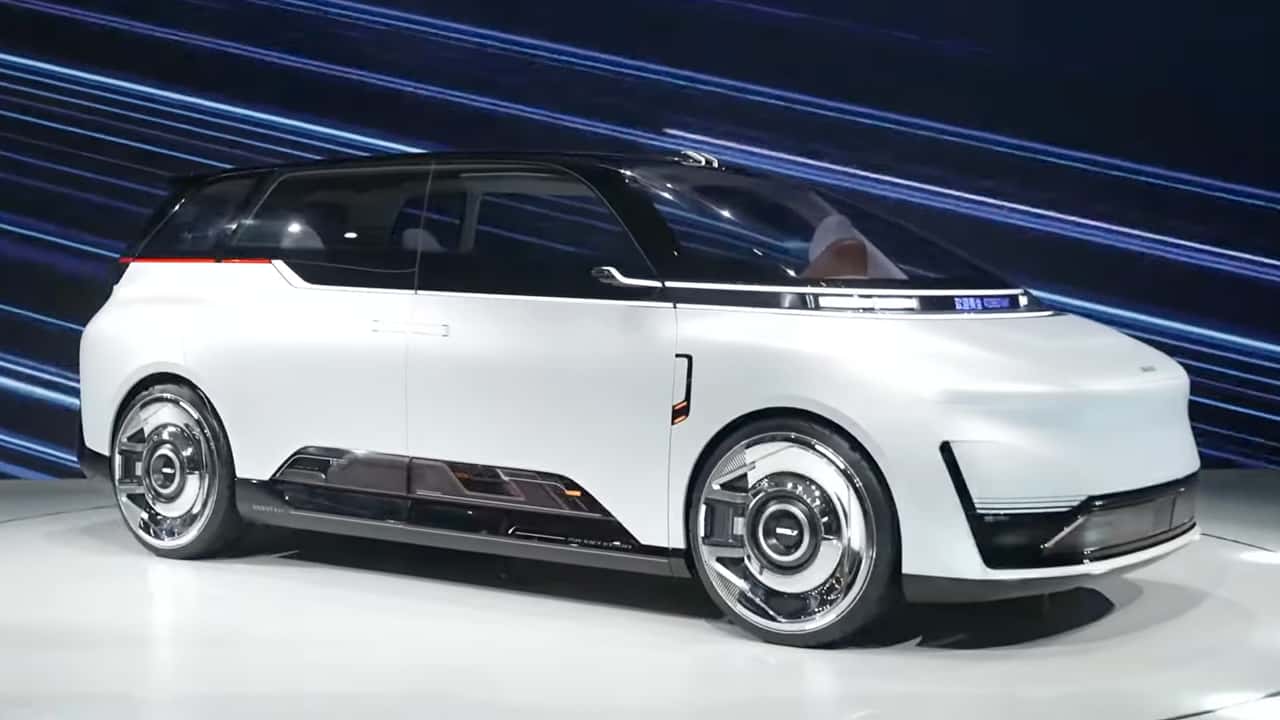
China's electric vehicle industry has spent the better part of a decade being dismissed in Western markets as a manufacturer of cheap, utilitarian transportation. The Lynk & Co GT concept, unveiled recently by the Geely-owned brand, is a deliberate argument against that reputation. Sleek, low-slung, and carrying the kind of visual confidence usually reserved for European grand tourers, the GT concept is the latest signal that Chinese automakers are no longer content competing on price alone.
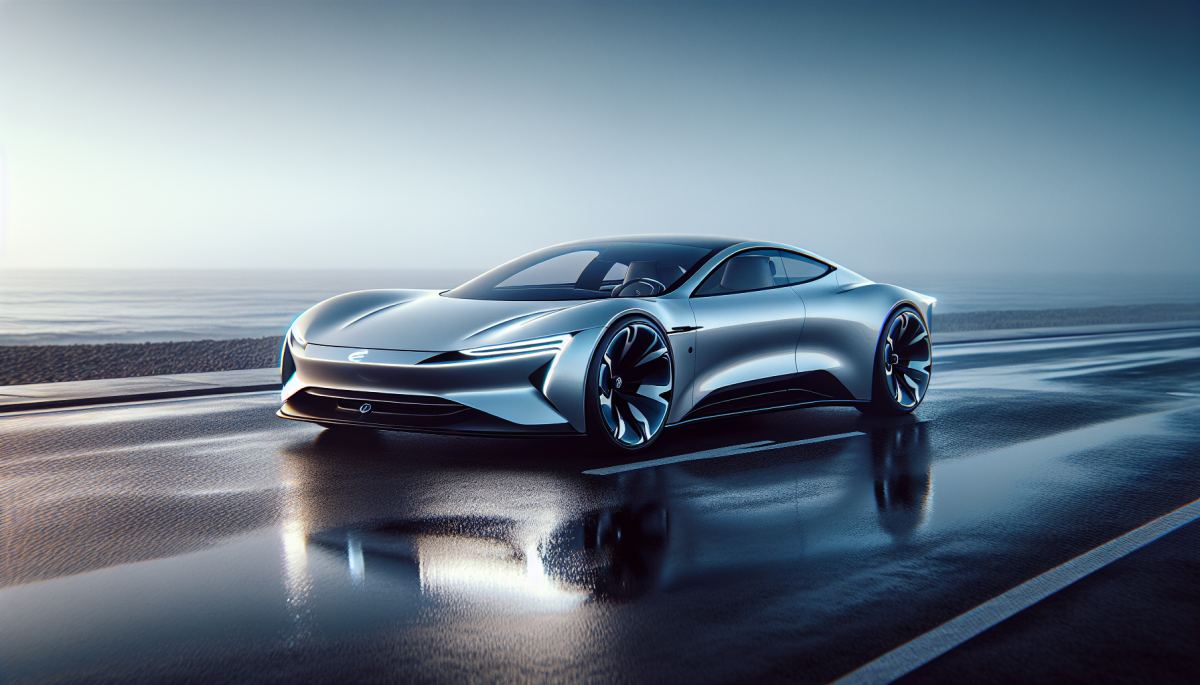
Lynk & Co, which sits under the vast Geely umbrella alongside Volvo and Polestar, has always occupied an interesting middle space. It was designed from the outset to appeal to younger, style-conscious consumers, particularly in Europe, where it operated an unusual subscription-based model rather than traditional dealerships. The GT concept extends that ambition considerably. With reported performance figures that place it in genuine competition with established sports EVs, and a design language that borrows liberally from the vocabulary of Monaco weekend cars, this is a vehicle engineered to make people forget where it was built.
What makes the GT concept worth paying attention to is not just the car itself but what it represents within a much larger strategic pattern. Geely has spent years acquiring and absorbing design and engineering talent from Europe, most notably through its ownership of Volvo, which it purchased from Ford in 2010. That acquisition gave Geely something money alone cannot easily buy: credibility, institutional knowledge, and access to safety and engineering standards that meet the world's most demanding regulatory environments. The GT concept is, in many ways, a downstream product of that long investment.
Chinese automakers have also benefited from a domestic market that moved to electric vehicles faster than almost anywhere else on earth. That scale created feedback loops that Western manufacturers are still struggling to replicate. More EVs sold means more battery data, more software iteration cycles, more charging infrastructure, and more consumer familiarity with the technology. BYD, NIO, Li Auto, and now Lynk & Co have all matured inside that accelerated environment. The GT concept did not emerge from nowhere. It emerged from an ecosystem that has been stress-testing electric drivetrains at a volume and pace that Europe and North America have not matched.
The more consequential question is what happens if the GT moves from concept to production and finds buyers in Western markets. European regulators are already engaged in a bruising political fight over Chinese EV tariffs, with the European Commission imposing additional duties in 2024 specifically because it concluded that Chinese state subsidies were distorting competition. Those tariffs, which can reach above 45 percent for some manufacturers, are designed to slow exactly the kind of premium market entry that the GT concept represents. But tariffs are a blunt instrument. They raise prices without necessarily eliminating demand, and a sufficiently desirable product can absorb a cost penalty that a commodity vehicle cannot.
The second-order effect worth watching is what a successful Chinese premium EV does to the psychology of the European auto industry. Legacy manufacturers like BMW, Mercedes-Benz, and Stellantis have largely assumed that even if Chinese brands captured the budget end of the EV market, the premium segment would remain protected by brand heritage and engineering reputation. A Lynk & Co GT that genuinely competes on design and performance would challenge that assumption directly. It would force a reckoning not just about pricing strategy but about whether European brand equity is as durable a moat as executives have believed.
There is also a softer but real dynamic at play. Consumer perception of Chinese manufacturing quality has been shifting, particularly among younger buyers who have less inherited loyalty to European marques and more willingness to evaluate a car on its own terms. If the GT reaches showrooms and earns strong reviews, it accelerates that perceptual shift in ways that are very difficult to reverse.
The European auto industry has survived many disruptions by adapting slowly but effectively. The question the Lynk & Co GT quietly poses is whether the timeline for that adaptation is still as generous as the industry assumes.
Discussion (0)
Be the first to comment.
Leave a comment