Mikko Hyppönen has spent more than three decades chasing some of the most destructive code ever written. He tracked early PC viruses in the 1990s, helped dissect the Stuxnet worm, and built a career at F-Secure that made him one of the most cited voices in cybersecurity. So when someone like Hyppönen pivots, it is worth asking what he is seeing that the rest of us are not.
In a recent conversation with TechCrunch, Hyppönen explained that he is now working on systems designed to detect and stop weaponized drones. The shift is not as abrupt as it sounds. To Hyppönen, the threat logic is nearly identical to what he spent his career fighting: cheap, scalable, asymmetric tools that give small actors the ability to cause disproportionate harm. The same economic and technological forces that democratized malware creation are now democratizing aerial warfare, and the consequences are arriving faster than institutions can adapt.
The parallel between malware and weaponized drones is more than rhetorical. In both cases, the barrier to entry collapsed over a short period of time. Writing a destructive computer worm once required serious technical skill and access to expensive hardware. Then toolkits, forums, and commoditized exploit markets made it accessible to almost anyone with a grudge and an internet connection. Consumer drones followed a strikingly similar curve. What once required military procurement budgets and aerospace engineering can now be assembled from off-the-shelf components for a few hundred dollars. Groups operating in Ukraine have demonstrated that modified commercial drones can destroy armored vehicles, strike power infrastructure, and conduct reconnaissance at a scale that would have been unimaginable a decade ago.
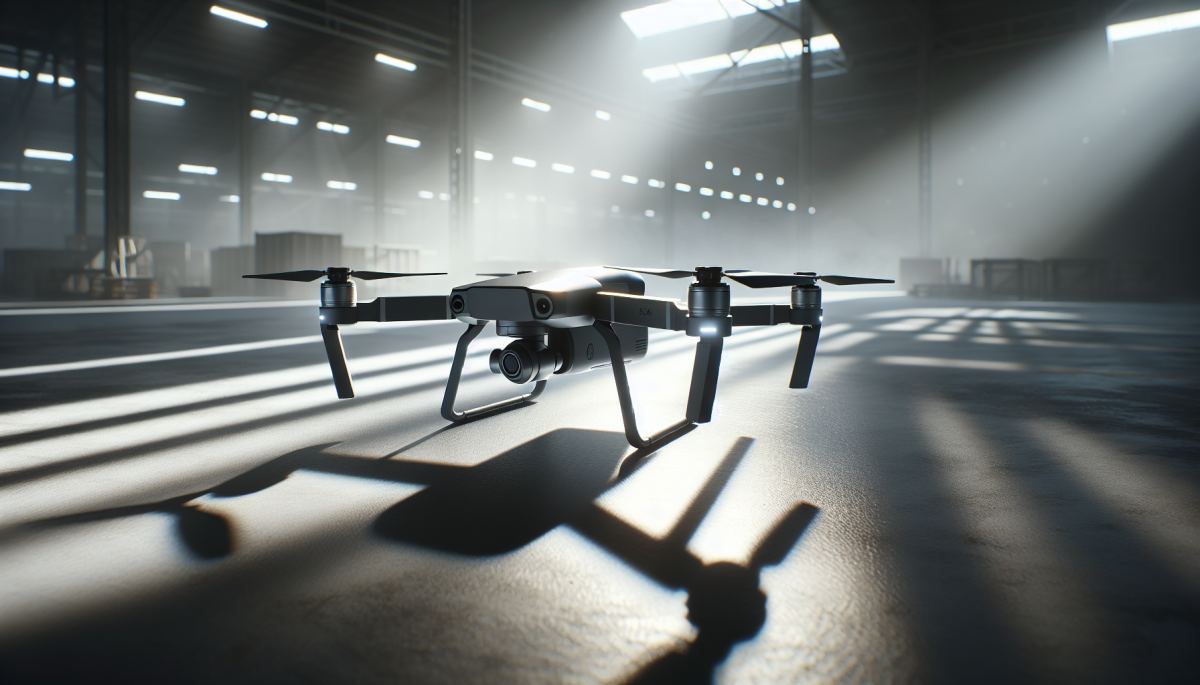
Hyppönen's move into counter-drone work reflects a broader recognition that the cybersecurity industry's core competency, understanding asymmetric technological threats before they become mainstream, translates directly into this new domain. The skills involved in reverse-engineering malware command-and-control systems are not entirely unlike those needed to analyze drone communication protocols and find exploitable weaknesses. Both disciplines require thinking like an attacker first.
What makes this transition genuinely significant from a systems perspective is the feedback loop it reveals. As counter-drone technology improves, drone operators adapt. This is the same arms race dynamic that defined antivirus software for thirty years, a cycle where defenders patch, attackers mutate, and the underlying vulnerability surface never actually shrinks. It just shifts.
The commercial drone market is projected to exceed $50 billion globally by the end of the decade, according to data from the Federal Aviation Administration and industry analysts. That growth is overwhelmingly civilian, driven by delivery logistics, agriculture, and filmmaking. But the same supply chains, the same firmware, the same radio protocols, serve both the hobbyist and the combatant. This dual-use reality means that hardening drones against weaponization is structurally similar to the challenge of securing open-source software: the tools are public, the knowledge is distributed, and no single authority controls the ecosystem.
There is also a second-order consequence that deserves more attention than it typically receives. As veterans of the software security world move into physical security domains, they bring with them a particular worldview shaped by decades of watching institutions underestimate threats until those threats became catastrophic. The cybersecurity industry learned, painfully, that reactive defense is almost always too slow. If that lesson gets applied to drone threats early enough, it could meaningfully change how governments and infrastructure operators prepare. If it does not, the pattern from the early malware era, years of warnings followed by a crisis that finally forces action, is likely to repeat itself in the physical world, with considerably more visible consequences.
Hyppönen himself has said publicly that he believes the next major security challenges will exist at the intersection of the digital and physical. Drones are perhaps the clearest current example of that intersection: networked, software-dependent, physically dangerous, and proliferating faster than regulation can track. The fact that one of the people who understood the internet's threat landscape earlier than almost anyone else is now focused on the sky is not a coincidence. It is a signal.



Discussion (0)
Be the first to comment.
Leave a comment