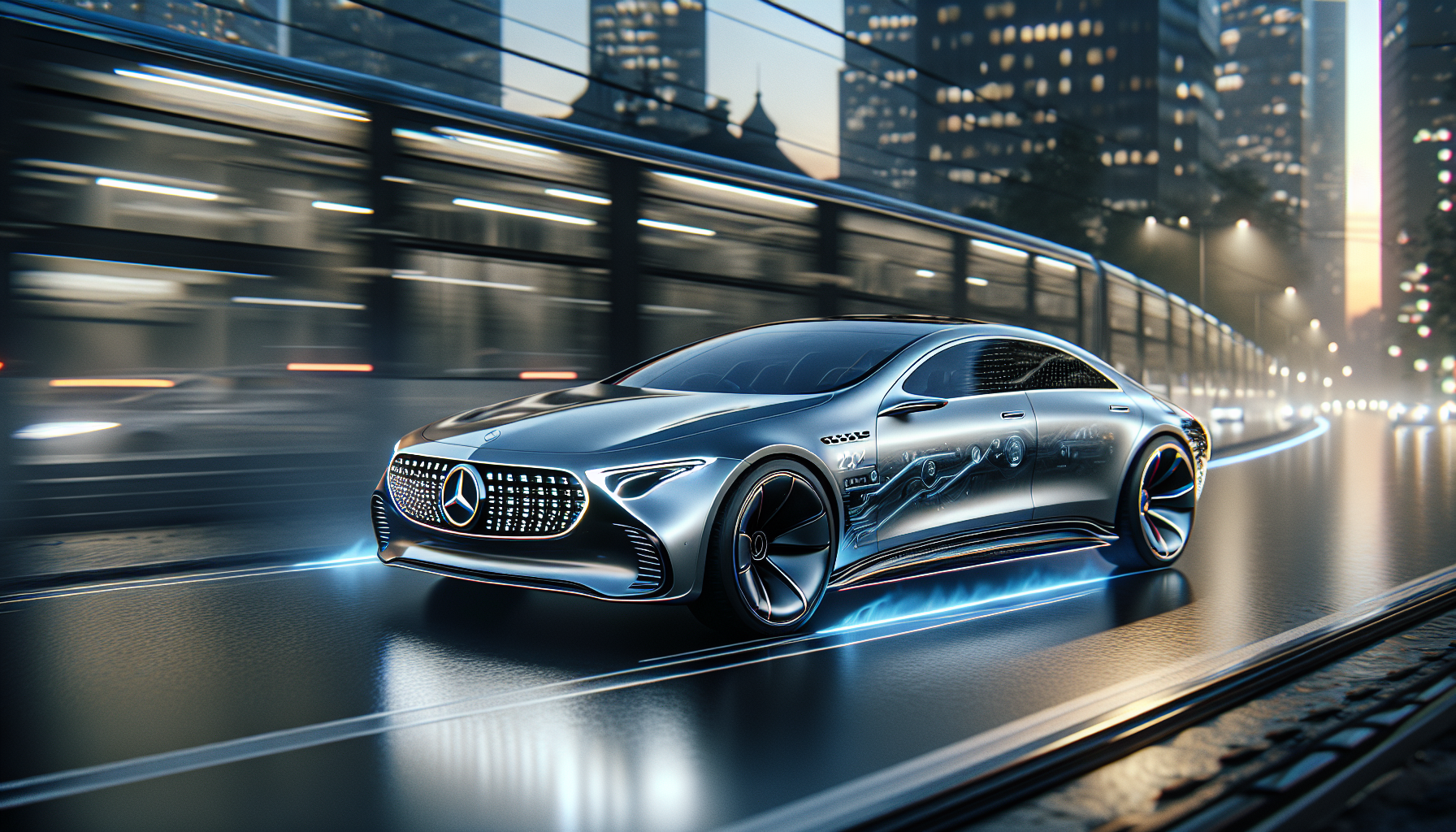
The 2026 Mercedes-Benz CLA arrives at a peculiar moment in automotive history, one where the most consequential engineering decisions are no longer made in wind tunnels or on engine dyno beds, but in software architecture meetings. Mercedes knows this. The CLA is the clearest signal yet that Stuttgart has internalized the lesson Tesla taught the industry a decade ago: the car is now a platform, and the platform is code.
Built on a clean-sheet electric architecture, the CLA represents genuine reinvention beneath sheet metal that, by deliberate design, looks like almost nothing at all. That tension, between radical engineering and conservative styling, is not an accident. It is a calculated commercial strategy, and understanding why Mercedes made that choice tells you something important about where the premium automotive market is heading and who is actually winning the software-defined vehicle race.
The CLA's powertrain and electrical architecture are genuinely new. Mercedes engineered this platform from the ground up for electrification, which means the compromises that plagued earlier EVs converted from combustion platforms, the awkward floor tunnels, the constrained battery packaging, the clunky software bolted onto systems designed for a different era, are largely absent here. The result is a vehicle that feels coherent in a way that Mercedes' earlier electric efforts, including the EQS and EQB, often did not.
But the more interesting story is the software layer. Mercedes has been building toward what it calls its MB.OS operating system for years, and the CLA is among the first vehicles to run it in a meaningful way. This matters enormously because software-defined vehicles generate recurring revenue streams through over-the-air updates, subscription features, and data services. For a legacy automaker carrying the cost burden of dealership networks, pension obligations, and combustion engine supply chains, that recurring revenue is not a luxury. It is a survival mechanism.
The risk, of course, is that software complexity introduces failure modes that mechanical engineers never had to worry about. A poorly executed over-the-air update can brick a feature or introduce a safety regression. Tesla has navigated this with varying degrees of grace. Mercedes, with its reputation for precision and reliability staked on every vehicle it sells, has considerably less margin for error. The CLA is therefore both a product launch and a stress test of organizational capability.
The decision to style the CLA conservatively is worth examining seriously rather than dismissing as timidity. Mercedes watched what happened when BMW pushed its polarizing kidney grille designs and when Lexus committed to spindle grilles that divided opinion sharply. The lesson the market seemed to teach was that in the premium segment, novelty in styling carries real downside risk. Buyers spending sixty or seventy thousand dollars on a vehicle are not, as a rule, early adopters seeking to signal disruption. They are seeking to signal taste, and taste in that bracket tends to reward restraint.
There is also a subtler dynamic at play. By making the CLA look familiar, Mercedes reduces the psychological barrier for combustion-engine loyalists making their first electric purchase. The car does not demand that the buyer announce a lifestyle change. It simply offers one quietly. This is a meaningful insight about technology adoption that the more evangelically designed EVs from startups have sometimes missed entirely.
The second-order consequence of this approach, however, is that it makes differentiation harder over time. If the CLA blends in, it also blends in against competitors. Volvo, BMW, and Audi are all converging on similar software-defined electric platforms with similarly restrained aesthetics. The premium EV segment is beginning to look like a commodity market wearing luxury clothing, and in commodity markets, the winner is usually whoever has the lowest cost structure or the stickiest software ecosystem, not whoever has the most storied heritage.
Mercedes is betting that MB.OS becomes sticky enough to matter, that owners who buy into the software ecosystem will stay there across multiple vehicle purchases the way iPhone users stay in the Apple ecosystem. It is a reasonable bet. It is not a guaranteed one. The automotive industry has a long history of technology platforms that seemed inevitable right up until they weren't.
What the 2026 CLA ultimately represents is a company in genuine transition, one that has done the hard engineering work and is now facing the harder cultural and commercial work of becoming, in some meaningful sense, a software company that happens to make cars. Whether the soul of Mercedes survives that transformation intact is a question the next decade will answer.
Discussion (0)
Be the first to comment.
Leave a comment