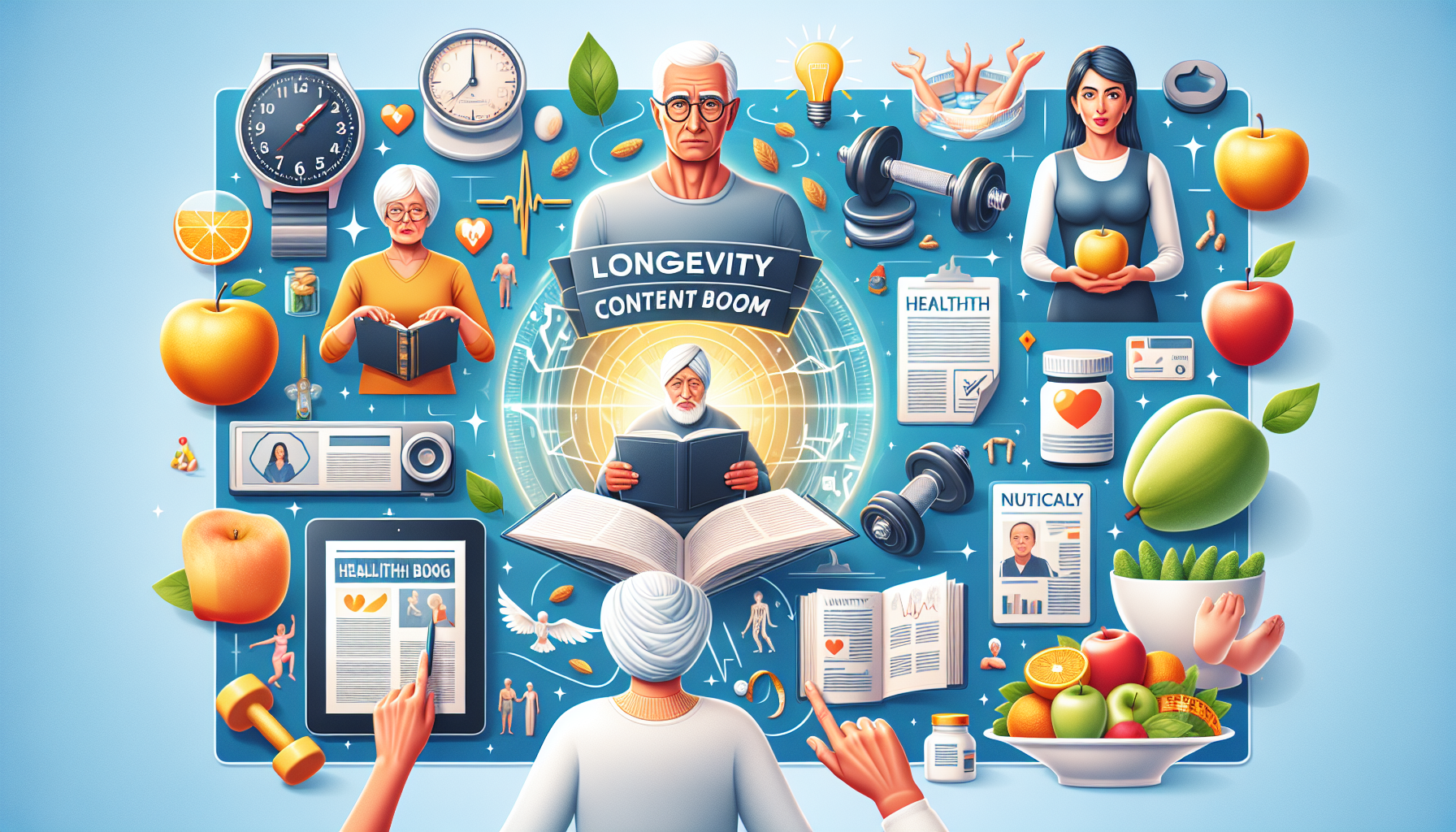
Something quiet but significant is happening in the way Americans consume health information. The most-read and most-shared stories of 2025 on Cascade Daily's sister platform were not about pharmaceuticals, not about the latest surgical intervention, and not about any blockbuster clinical trial. They were about beans. Tea. Breakfast habits borrowed from Okinawa. A man who lost 130 pounds by changing how he lived, not just what he swallowed. The appetite for this kind of content is not a trend. It is a signal.
The list of top stories this year reads like a quiet rebuke to the dominant logic of modern medicine. Fasting and cellular autophagy, the Nobel Prize-winning research by Yoshinori Ohsumi that explained how cells essentially clean house when deprived of food, drew enormous readership. So did deep dives into Blue Zones, the geographic clusters identified by researcher Dan Buettner where people routinely live past 100. Readers wanted to know what people in Sardinia and Loma Linda eat for breakfast. They wanted the specific, the practical, the reproducible.
This is worth pausing on. The GLP-1 drug class, including semaglutide sold as Ozempic and Wegovy, has dominated mainstream health coverage in 2025, with Wall Street analysts projecting the market could exceed 100 billion dollars within a decade. And yet the weight loss story that resonated most deeply with readers this year was not about a weekly injection. It was about one man's personal transformation through lifestyle change, 130 pounds lost by adopting the rhythms and food patterns associated with the world's longest-lived communities. The contrast between those two narratives is not incidental.
What is driving this readership surge toward ancestral eating patterns, fasting protocols, and community-based longevity? Part of the answer is demographic. The largest generation in American history is aging, and Baby Boomers are doing so with more information access and more health anxiety than any previous cohort. But the interest is not confined to the elderly. Younger readers, many of whom grew up watching parents and grandparents navigate chronic disease, are increasingly drawn to prevention rather than treatment. The loneliness epidemic, which featured prominently in this year's most-shared content, adds another layer. Blue Zones research consistently identifies strong social bonds, including relationships with grandparents and intergenerational community structures, as among the most powerful predictors of long life. That finding lands differently in a country where the Surgeon General has formally declared loneliness a public health crisis.
The feedback loop here is worth examining. As pharmaceutical solutions to obesity and metabolic disease become more visible and more expensive, a counter-current of interest in low-cost, behavior-based alternatives intensifies. Beans, after all, cost almost nothing. Tea is ancient and accessible. Fasting requires no prescription. The more medicalized the mainstream conversation becomes, the more some readers are pulled toward content that returns agency to the individual. This is not anti-science sentiment. The autophagy research that anchored one of this year's top articles is rigorous enough to have earned its author a Nobel Prize. It is, rather, a hunger for science that translates into something a person can actually do on a Tuesday morning.
The systems-level implication of this readership pattern may be more consequential than it first appears. When millions of people begin orienting their daily choices around longevity research, the downstream effects ripple outward in ways that are easy to underestimate. Demand for legumes, whole grains, and minimally processed foods reshapes supply chains. Primary care physicians begin fielding more questions about fasting windows and polyphenol-rich diets from patients who have done genuine reading. Insurance actuaries, if they are paying attention, start wondering whether a population that eats more like Sardinians might generate different claims patterns over a twenty-year horizon.
There is also a subtler cultural consequence. The Blue Zones framework places enormous weight on purpose, community, and the role of older people within families and neighborhoods. Content about breaking cycles of loneliness and the value of grandparent relationships is not soft lifestyle journalism. It is, in a systems sense, about the social architecture that keeps people alive. If that architecture continues to erode, no amount of bean consumption will fully compensate.
The most interesting question for 2026 is not which longevity superfood will trend next. It is whether the genuine scientific substrate beneath this content, autophagy, caloric restriction research, the epidemiology of Blue Zones populations, begins to exert real pressure on how healthcare systems are designed, funded, and measured. The readers are already there. The institutions are still catching up.


Discussion (0)
Be the first to comment.
Leave a comment