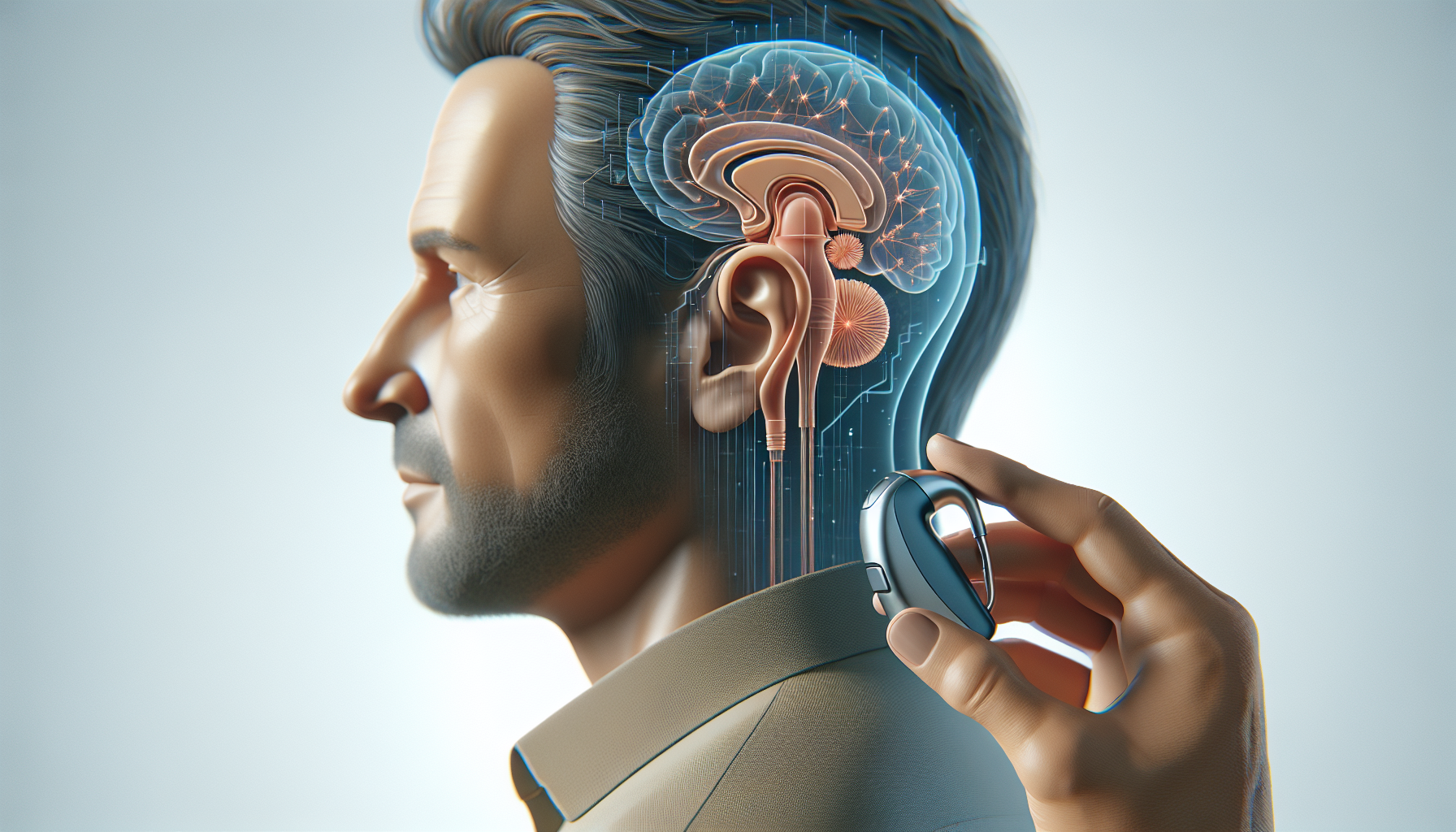
There is something quietly unsettling about a study that delivers good news and a puzzle at the same time. A long-term investigation into hearing loss and cognitive decline found that older adults with moderate hearing loss who were prescribed hearing aids were significantly less likely to develop dementia over seven years compared to those who went without. The catch? Their scores on standard memory and thinking tests showed no meaningful improvement. The protection was real. The mechanism, at least as measured by conventional tools, remained invisible.
This is not a minor methodological footnote. It cuts to the heart of how medicine measures brain health, and whether the instruments we rely on are sensitive enough to detect what is actually happening inside an aging mind.
Cognitive assessments like the Mini-Mental State Examination or standard memory recall tasks are blunt instruments by design. They are built to catch decline once it has already become functionally significant, not to register the subtle, incremental erosion that precedes a dementia diagnosis by years or even decades. When a study finds that hearing aid users are developing dementia at lower rates but are not scoring better on these tests, the most reasonable interpretation is not that the hearing aids are doing nothing neurologically. It is that the tests are not looking in the right place, or are not looking early enough.
The leading hypothesis for why hearing loss accelerates cognitive decline involves what researchers call cognitive load. When the brain is forced to work harder simply to decode incoming sound, it diverts resources away from memory consolidation, attention regulation, and executive function. Over years, that constant redirection takes a toll. Hearing aids, on this theory, do not sharpen the mind directly. They reduce the tax. They give the brain back the bandwidth it was spending just to follow a conversation.
There is also the social dimension, which is harder to quantify but no less real. Hearing loss is one of the most reliable predictors of social withdrawal among older adults. People stop going to dinner parties, stop attending religious services, stop picking up the phone. Loneliness and social isolation are themselves independent risk factors for dementia, linked to elevated cortisol, reduced cognitive stimulation, and accelerated hippocampal atrophy. A hearing aid that keeps someone engaged with the world around them may be doing as much protective work through that channel as through any direct neurological pathway.
The seven-year timeframe of this study matters enormously. Dementia does not arrive suddenly. The pathological changes associated with Alzheimer's disease, for instance, begin accumulating in the brain ten to twenty years before any clinical symptoms appear. A study that tracks participants across seven years and finds a meaningful divergence in dementia rates between hearing aid users and non-users is capturing something real about how sensory health shapes long-term brain trajectory, even when the short-term cognitive snapshots look identical.
This also raises a pointed question about clinical practice. Hearing loss is dramatically undertreated in older adults. Estimates suggest that fewer than one in five Americans who could benefit from hearing aids actually uses them, held back by cost, stigma, and a persistent cultural assumption that hearing loss is simply an inconvenience of aging rather than a modifiable health risk. If a seven-year reduction in dementia risk does not translate into a compelling public health message, it is hard to know what will.
The cost asymmetry here is striking. Hearing aids are expensive, often running between $1,000 and $7,000 per pair, and Medicare only recently began covering them in limited circumstances. Dementia care, by contrast, costs the United States an estimated $360 billion annually, a figure projected to more than double by 2060. The math of prevention is not complicated. The politics and economics of getting there are another matter entirely.
The deeper second-order consequence of this research may be the pressure it places on how clinical trials define success. If dementia risk drops but test scores do not move, and we only measure test scores, we will keep concluding that interventions are not working when they quietly are. The field may need new endpoints, longer follow-up windows, and a willingness to treat sensory health as a first-class variable in brain aging research rather than a background condition to be noted and set aside.
The hearing aid sitting in a drawer, unworn because it feels like an admission of old age, may be doing more than its owner realizes. Or rather, it would be, if they would only put it in.
References
- Livingston et al. (2020) — Dementia prevention, intervention, and care: 2020 report of the Lancet Commission
- Lin et al. (2011) — Hearing Loss and Incident Dementia
- Alzheimer's Association (2024) — 2024 Alzheimer's Disease Facts and Figures
- Maharani et al. (2018) — Hearing Aid Use is Associated with Improved Cognitive Function in Older Adults
- National Institute on Deafness and Other Communication Disorders (2023) — Quick Statistics About Hearing



Discussion (0)
Be the first to comment.
Leave a comment