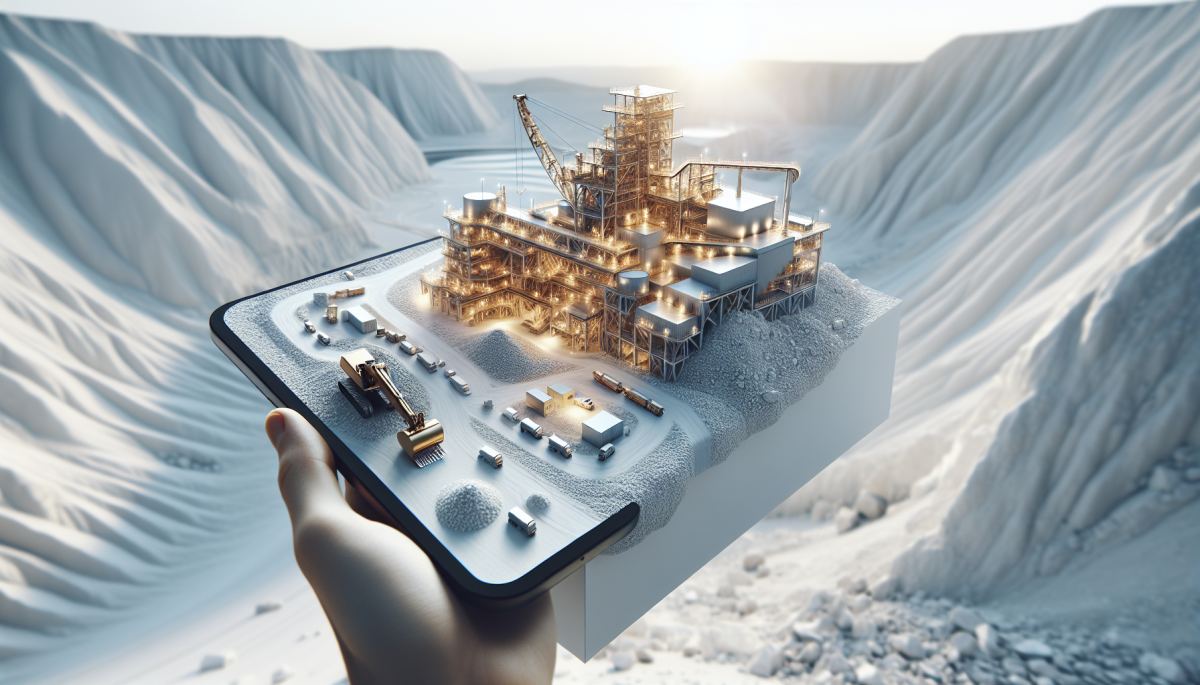
The green energy transition has a dirty secret buried beneath the surface of the American West. As electric vehicles and grid-scale batteries become central to U.S. climate policy, the demand for lithium has transformed from a niche industrial concern into a full-blown geopolitical and environmental scramble. The United States, eager to reduce dependence on foreign supply chains dominated by China and Chile, has thrown its weight behind domestic lithium extraction with a force not seen since the uranium booms of the mid-twentieth century.
Columbia Journalism Investigations and Inside Climate News undertook a joint investigation to map this surge, collecting and analyzing data on new lithium projects across the country to understand not just where the mining push is headed, but which communities sit in its path. The methodology matters here: tracking lithium development requires piecing together federal permit filings, state mining records, and corporate disclosures that are rarely housed in the same place, let alone cross-referenced. The fact that two major investigative outlets needed to build their own dataset from scratch says something important about how little systematic oversight exists for this extraction wave.
The legislative scaffolding driving this boom is substantial. The Inflation Reduction Act of 2022 tied electric vehicle tax credits to North American sourcing requirements for critical minerals, effectively making domestic lithium a prerequisite for the clean energy economy the Biden administration promised. The bipartisan infrastructure law layered additional funding on top, directing billions toward battery supply chains. For mining companies, these were not subtle signals. They were open invitations.
The result has been a proliferation of lithium exploration and development projects from Nevada's Clayton Valley to North Carolina's Piedmont region to the geothermal brines beneath California's Salton Sea. Each site carries its own geology, its own regulatory history, and its own community context. But they share a common pressure: the timeline demanded by climate goals does not leave much room for the slow, deliberative processes that environmental review and community consent typically require. Permitting reform, long a priority for the mining industry, has gained new political cover under the banner of green energy urgency.
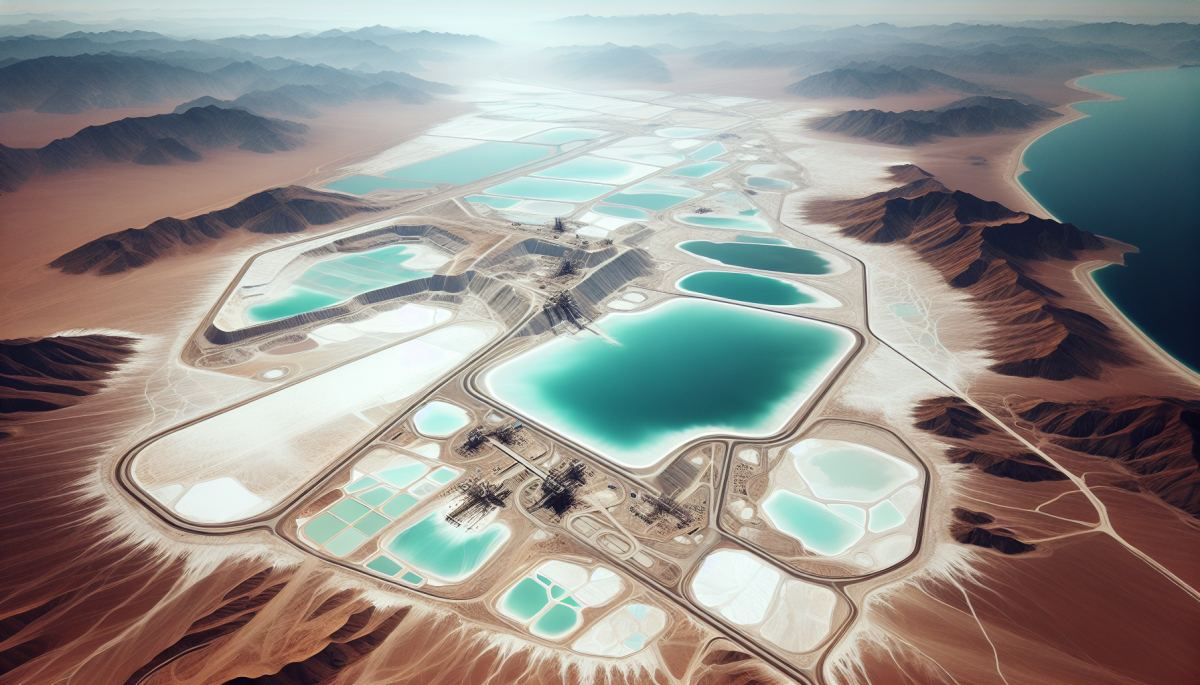
This is where the systems dynamics become uncomfortable. The same policy architecture designed to accelerate decarbonization is also accelerating the extraction economy, with all the water use, habitat disruption, and community displacement that historically accompanies it. The feedback loop is real: faster permitting reduces the friction that once gave affected communities leverage. And because many of the most lithium-rich areas in the U.S. overlap with Indigenous lands and low-income rural counties, the communities least equipped to mount legal or political resistance are often the ones most directly in the crosshairs.
The investigative framework used by Columbia Journalism Investigations and Inside Climate News is significant precisely because it attempts to make this overlap visible. By mapping project locations against demographic and land-use data, the reporting can surface patterns that company-by-company coverage would miss entirely. It is one thing to cover a single contested mine. It is another to show that the pattern of siting decisions consistently places extraction burdens on specific types of communities.
This kind of data journalism functions as a form of systems accountability. It does not just document what is happening; it reveals the structural logic underneath. When the same communities keep appearing at the intersection of resource extraction and regulatory vulnerability, that is not coincidence. It reflects how permitting systems, land ownership histories, and political representation interact to produce predictable outcomes.
The second-order consequence worth watching closely is what happens to local water systems. Lithium extraction, whether from hard rock mining or brine evaporation, is water-intensive in regions that are already under severe hydrological stress. The American West is in a prolonged megadrought, and aquifer depletion from mining operations could compound agricultural losses and municipal water shortages in ways that outlast any individual project's operational life. A community might accept a mine for the jobs it promises, only to find a decade later that the water table has dropped beyond recovery.
The green transition is genuinely necessary. But necessity has a long history of being used to justify haste, and haste has a long history of leaving certain communities to absorb costs that others never see. The lithium rush is still early enough that the patterns being documented now could still be interrupted. Whether the political will exists to do that interrupting is a different question entirely.
References
- Grandoni et al. (2022) — The Inflation Reduction Act's Critical Minerals Provisions
- Tabuchi et al. (2023) — The Lithium Gold Rush: Inside the Race to Power Electric Vehicles
- U.S. Geological Survey (2023) — Mineral Commodity Summaries: Lithium
- Hernandez et al. (2015) — Identifying Vulnerabilities of U.S. Renewable Energy Infrastructure
Discussion (0)
Be the first to comment.
Leave a comment