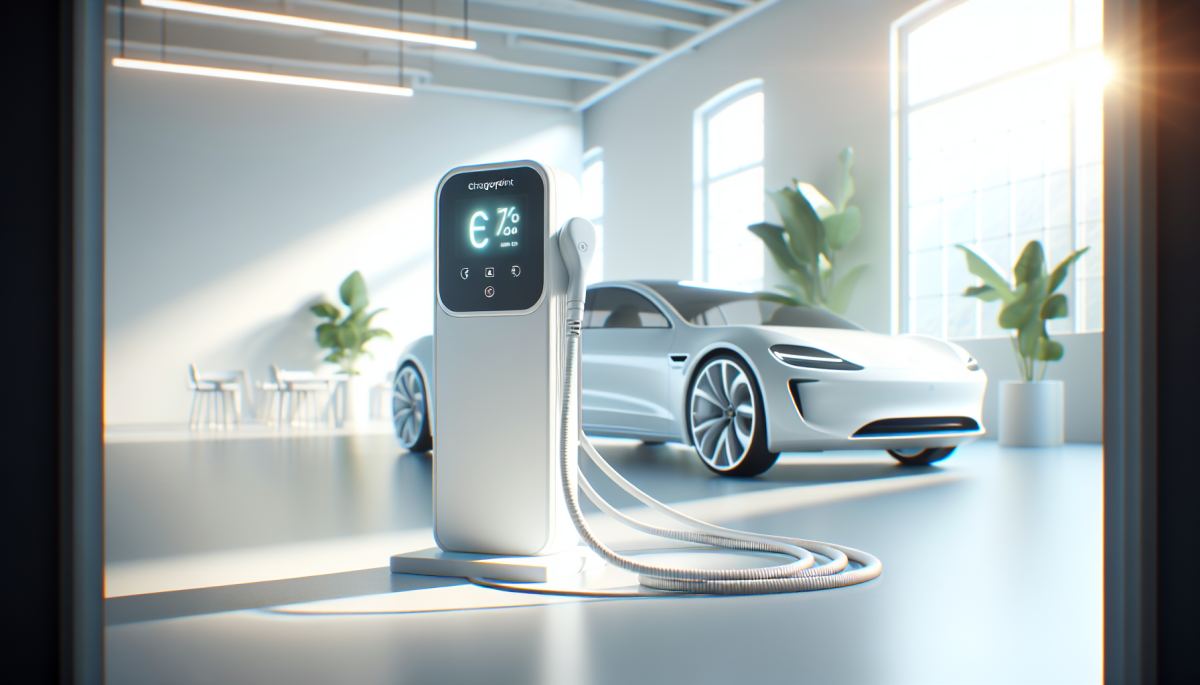
ChargePoint and Eaton have jointly unveiled the Express Solo, a standalone DC fast charger that the companies say can simultaneously charge two electric vehicles at high speeds without requiring a separate power cabinet. On the surface, it reads like another product announcement in an increasingly crowded EV infrastructure market. Look closer, though, and the design philosophy behind the Express Solo reveals something more telling about where the charging industry thinks the real bottleneck actually lives.
For years, the dominant friction in deploying DC fast chargers has not been the chargers themselves. It has been everything around them: the utility coordination, the trenching, the separate power distribution cabinets, the months-long permitting queues, and the sheer physical footprint that a traditional charging station demands. A retailer or parking garage operator who wants to add fast charging often faces a construction project that looks nothing like plugging something in. The Express Solo's integrated design, co-engineered with Eaton, one of the world's largest power management companies, is a direct answer to that complaint.
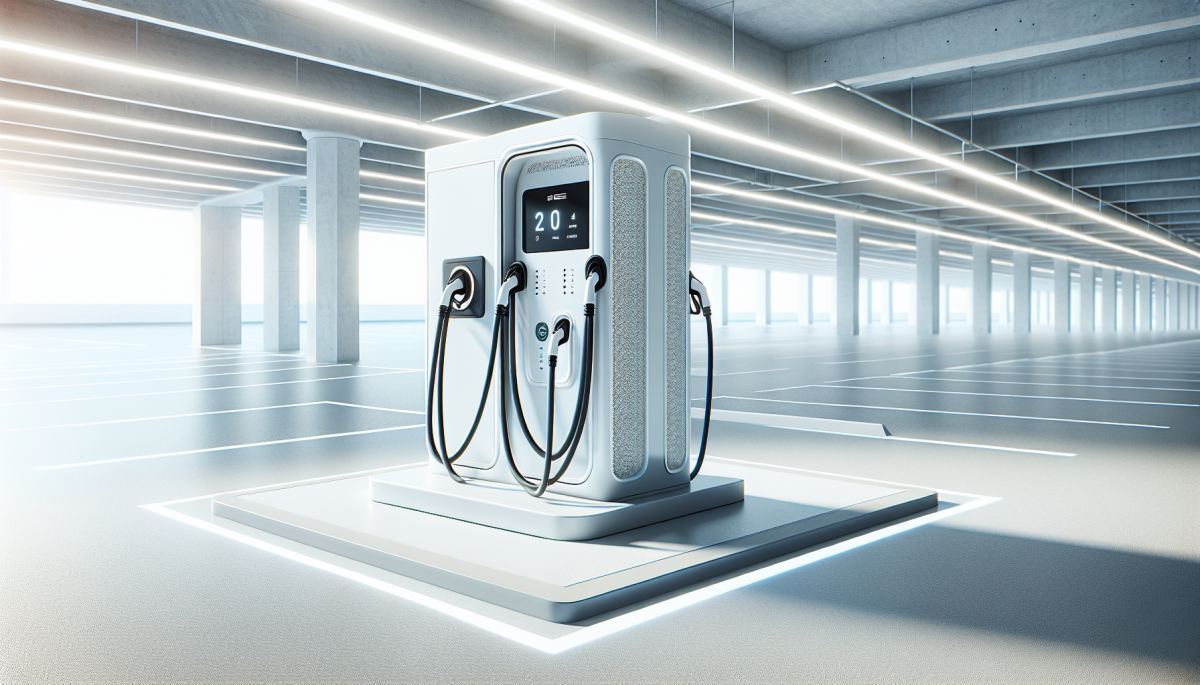
Eaton's involvement is worth pausing on. The company brings deep expertise in electrical infrastructure and power conversion, and its fingerprints on this product suggest the integration is genuine rather than cosmetic. By folding the power electronics into the charger unit itself, the two companies are essentially collapsing what was previously a multi-component system into a single deployable asset. That changes the economics of site preparation in ways that matter enormously to the mid-tier commercial property owners who represent the largest untapped deployment surface for fast charging in the United States.
The EV charging industry has spent considerable energy debating charging speeds, connector standards, and network reliability. Those are legitimate concerns. But a consistent finding across deployment studies is that grid interconnection timelines and site construction costs are what actually slow the buildout. The U.S. Department of Energy has noted that utility upgrade lead times can stretch beyond a year in some regions, effectively freezing projects that are otherwise financially viable. A charger that reduces or eliminates the need for a separate power cabinet does not solve the utility queue problem, but it meaningfully reduces the on-site construction burden that compounds it.
This is where the systems-level consequence becomes interesting. If integrated charger designs like the Express Solo lower the deployment threshold for commercial property owners, the likely first movers are not highway corridors or dedicated charging hubs. They are urban parking structures, grocery anchored retail centers, and mixed-use developments where dwell times are long enough to make DC fast charging genuinely useful but where landlords have historically balked at the construction disruption. A wave of deployment in those environments would shift the geographic and demographic profile of who has convenient access to fast charging, which in turn affects EV adoption rates among urban residents who lack home charging.
There is a feedback dynamic embedded in this story that tends to get lost in product-level coverage. EV adoption and charging infrastructure exist in a classic chicken-and-egg relationship, but the egg in this case has a construction permit attached to it. Every design innovation that reduces deployment friction tightens that loop. More accessible charging infrastructure reduces range anxiety, which accelerates EV purchases, which increases utilization rates at charging sites, which improves the return on investment calculations for the next property owner considering installation.
ChargePoint has faced its own financial turbulence in recent years, navigating a difficult period for EV infrastructure companies as the anticipated pace of EV adoption in the U.S. proved slower than early projections suggested. A product that lowers the barrier for commercial deployers is also, from ChargePoint's perspective, a way to grow its network footprint without depending entirely on the large-scale public infrastructure contracts that have proven lumpy and politically contingent.
Whether the Express Solo delivers on its promise at scale remains to be seen. The history of EV charging is littered with hardware that performed well in controlled demonstrations and struggled in the field. But the underlying design logic, reducing the infrastructure complexity that has made fast charging deployment feel like a construction project rather than an equipment purchase, points toward where the industry needs to go. The companies that figure out how to make charging feel routine to install are likely to define the next phase of the buildout, regardless of who wins the speed race.
References
- U.S. Department of Energy (2023) — Electric Vehicle Charging Infrastructure Barriers and Solutions
- Eaton Corporation (2024) — Power Management and EV Infrastructure Overview
- ChargePoint (2024) — ChargePoint Investor Relations and Network Data
- International Council on Clean Transportation (2023) — U.S. Public Charging Infrastructure Needs

Discussion (0)
Be the first to comment.
Leave a comment