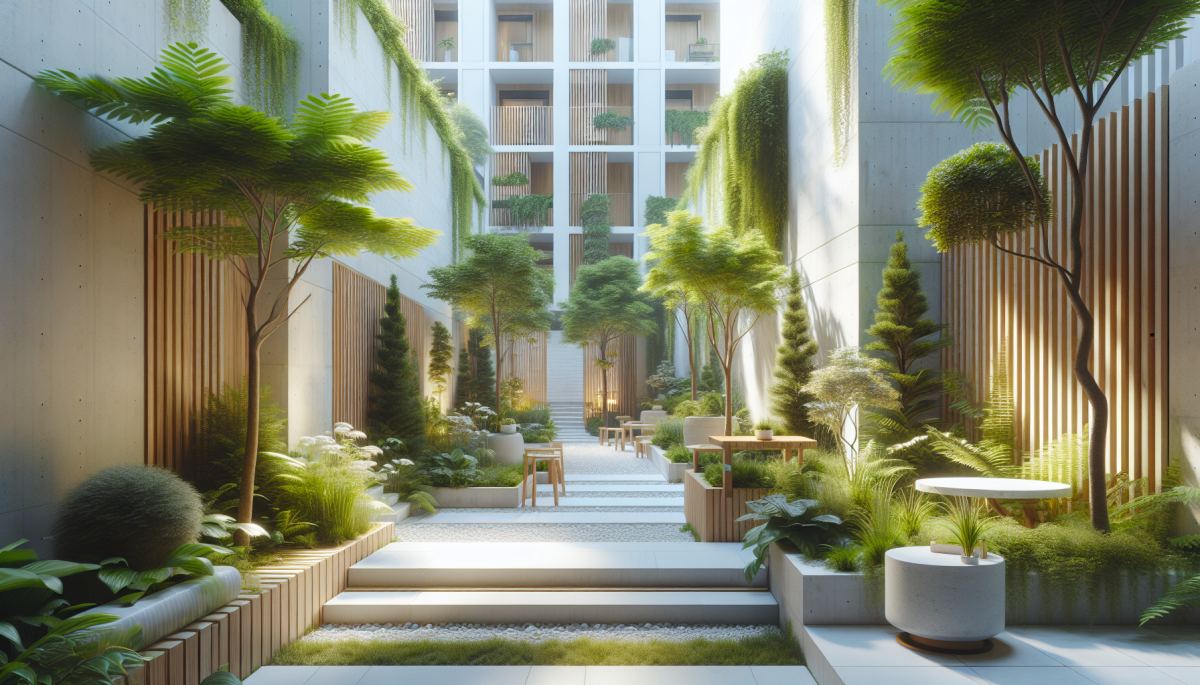
Walk through almost any dense urban neighborhood on a sweltering August afternoon and the difference between a block with trees and planters versus one without is not subtle. The air feels different. The pace of people walking changes. Even the noise seems to soften. What researchers and city planners are now documenting with increasing precision is something residents have long sensed intuitively: small, strategically placed patches of greenery, sometimes no larger than a parking space, are doing meaningful ecological and psychological work inside cities.
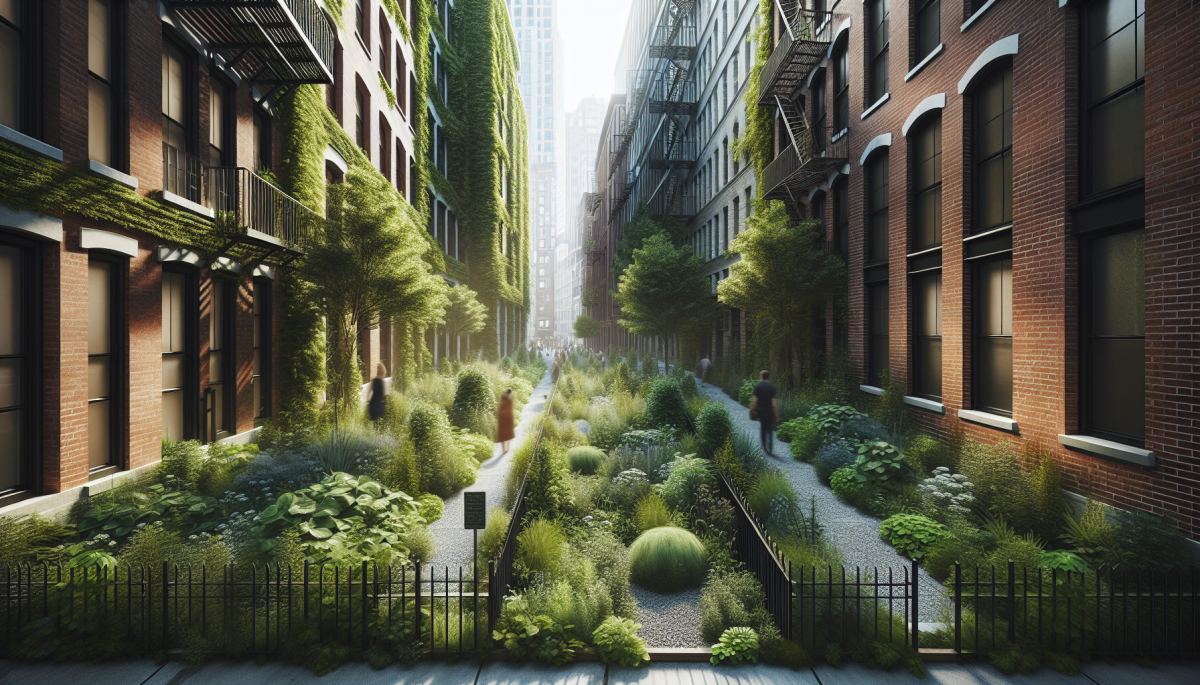
These so-called pocket gardens, which range from converted sidewalk tree pits to community-managed micro-parks wedged between buildings, have been multiplying across urban cores in recent years. The trend is partly aesthetic, partly activist, and partly a response to a very concrete problem. Cities are getting hotter. The urban heat island effect, driven by the concentration of asphalt, concrete, and heat-generating infrastructure, can push temperatures in dense neighborhoods several degrees above surrounding suburban or rural areas. During extreme heat events, which are becoming more frequent and more intense as climate patterns shift, those extra degrees translate directly into health emergencies and excess deaths, disproportionately affecting elderly residents and those without air conditioning.
The mechanism by which plants cool their surroundings is not magic, it is evapotranspiration. Plants draw water through their roots and release it as vapor through their leaves, and that phase change absorbs heat from the surrounding air. A single mature street tree can transpire hundreds of liters of water on a hot day, providing a cooling effect roughly equivalent to two residential air conditioning units running for several hours. Pocket gardens, even without mature trees, contribute meaningfully to this process through ground cover, shrubs, and climbing plants on walls and fences.
Beyond temperature, the benefits compound in ways that are easy to underestimate. Green surfaces absorb rainfall rather than channeling it immediately into storm drains, reducing the risk of flash flooding in neighborhoods where impervious surfaces dominate. Soil and plant roots filter pollutants from runoff before it reaches waterways. Flowering plants support pollinator populations that urban environments have historically starved. Each of these functions operates as a feedback loop: more green cover means more soil health, which supports more plant diversity, which attracts more insects, which improves local food systems and ecosystem resilience over time.
The mental health dimension is perhaps the most underappreciated part of the story. A growing body of research links access to green space, even brief, incidental exposure, with reduced cortisol levels, lower rates of anxiety and depression, and improved attention and cognitive performance. For urban residents who cannot easily access parks or natural landscapes, a small garden at the end of their block may represent their primary daily contact with living systems. That contact, researchers suggest, is not trivial.
The proliferation of pocket gardens is not without its complications, and this is where systems thinking becomes essential. As neighborhoods become greener and more livable, they also tend to become more desirable. Property values rise. Rents follow. The very residents who most need relief from urban heat, lower-income communities that have historically received less tree canopy and fewer parks, are often the first to be priced out when green amenities arrive. This dynamic, sometimes called green gentrification, has been documented in cities from New York to Barcelona, and it represents a genuine second-order consequence that urban planners are only beginning to grapple with seriously.
The solution is not to avoid greening underserved neighborhoods. It is to pair green investment with tenant protections, community land trusts, and participatory planning processes that give existing residents ownership over the changes happening around them. Cities that treat pocket gardens as purely aesthetic interventions, rather than as infrastructure with economic consequences, risk using nature as an inadvertent displacement tool.
There is also the question of maintenance. Unlike a concrete sidewalk, a living garden requires ongoing attention, watering, weeding, and seasonal replanting. When city budgets tighten, green infrastructure is often among the first things to be cut or neglected. Community stewardship models, where residents take direct responsibility for maintaining local green spaces, have shown promise in cities like London and Philadelphia, but they depend on social cohesion and free time that are not evenly distributed.
As urban temperatures continue to climb and the pressure on city infrastructure intensifies, the pocket garden may evolve from a charming neighborhood amenity into something closer to essential public health infrastructure. The cities that figure out how to scale it equitably, and fund it durably, will have a meaningful advantage in the decades ahead.
References
- Heaviside et al. (2017) — Urban Heat Island: Mechanisms, Implications, and Possible Remedies
- Wolch et al. (2014) — Urban green space, public health, and environmental justice
- Bratman et al. (2019) — Nature and mental health: An ecosystem service perspective
- McDonald et al. (2021) — The tree cover and temperature disparity in US urbanized areas
Discussion (0)
Be the first to comment.
Leave a comment