
There is a particular kind of athlete who finds the marathon distance almost quaint. For ultramarathon runners, the real work begins somewhere around mile 30, in the dark, when the body has long since burned through its easy reserves and is running on something closer to stubbornness than glycogen. What new research is beginning to reveal, however, is that this extreme endurance may be extracting a cellular toll that goes well beyond sore quads and blistered feet.
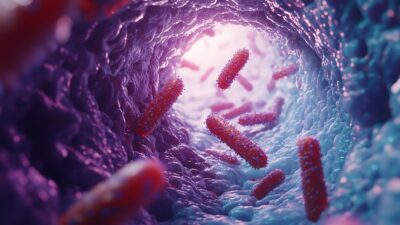
Scientists studying ultramarathon runners have found that completing extreme distances alters red blood cells in ways that compromise their core function. Red blood cells are not passive cargo ships. They must squeeze through capillaries narrower than their own diameter, deforming their shape thousands of times per second to deliver oxygen to tissues throughout the body. That flexibility, known as deformability, is essential. When it degrades, the consequences ripple outward in ways that are anything but trivial.
The new research identified two distinct mechanisms of damage occurring simultaneously. The first is mechanical: the sheer force of blood moving at high velocity through vessels during sustained intense exercise physically batters red blood cells, a process called hemolysis. The second is molecular, driven by inflammation and oxidative stress that accumulate over hours of extreme exertion. Together, these forces leave red blood cells less pliable and more prone to premature breakdown, before they have completed their normal lifespan of roughly 120 days.
The implications of this are worth sitting with. An athlete pushing through the final miles of a 100-mile race is already operating at the outer edge of physiological tolerance. If the red blood cells carrying oxygen to working muscles are simultaneously becoming stiffer and more fragile, the body is effectively undermining its own emergency response system at the exact moment it needs it most. Performance suffers, but so does recovery. Damaged red blood cells are cleared by the spleen, and the bone marrow must work harder to replace them, a process that takes days and draws resources away from other repair functions.
This connects to the broader and still unsettled question of whether extreme endurance sport is genuinely health-promoting or whether, past a certain threshold, it begins to work against the body. The research community has spent years debating the so-called "J-curve" of exercise and mortality risk, with some studies suggesting that very high volumes of intense training may erode some of the cardiovascular benefits associated with moderate exercise. The red blood cell findings add a new dimension to that conversation, one focused not on the heart or the arteries but on the blood itself.
The mention of accelerated aging in the context of this cellular damage is particularly striking. Oxidative stress is one of the central mechanisms implicated in biological aging at the cellular level. When researchers observe molecular markers of oxidative damage in red blood cells following ultramarathons, they are describing a process that, if repeated chronically, could theoretically contribute to faster cellular senescence. Whether occasional ultramarathon participation produces lasting effects or whether the body fully recovers between events remains an open and important question.
Here is where systems thinking becomes genuinely useful. Ultramarathon culture has a powerful internal logic that makes it resistant to cautionary findings. The sport selects for people who interpret physical suffering as evidence of progress, and who have often built significant portions of their identity around the capacity to endure. When research suggests that extreme distances may be damaging at the cellular level, the community's first instinct is frequently to question the research rather than the distances. This is not unique to ultrarunners, but it is particularly pronounced in a culture that treats the ability to finish a 100-miler as a kind of moral credential.
The second-order consequence worth watching is how this research interacts with the growing sports nutrition and recovery industry. If cellular damage to red blood cells becomes an accepted feature of ultramarathon physiology, expect a rapid commercialisation of interventions claiming to mitigate it, from antioxidant supplements to hyperbaric oxygen therapy to novel recovery protocols. Some of these will be evidence-based. Many will not. The gap between a legitimate scientific finding and a wellness product making claims derived from that finding is, in this industry, vanishingly small.
What the research ultimately points toward is a more honest reckoning with what the human body was and was not designed to do repeatedly. Running 100 miles is an extraordinary achievement. Whether it is a wise one, biologically speaking, may depend on questions that sports science is only beginning to ask with the right tools.


Discussion (0)
Be the first to comment.
Leave a comment