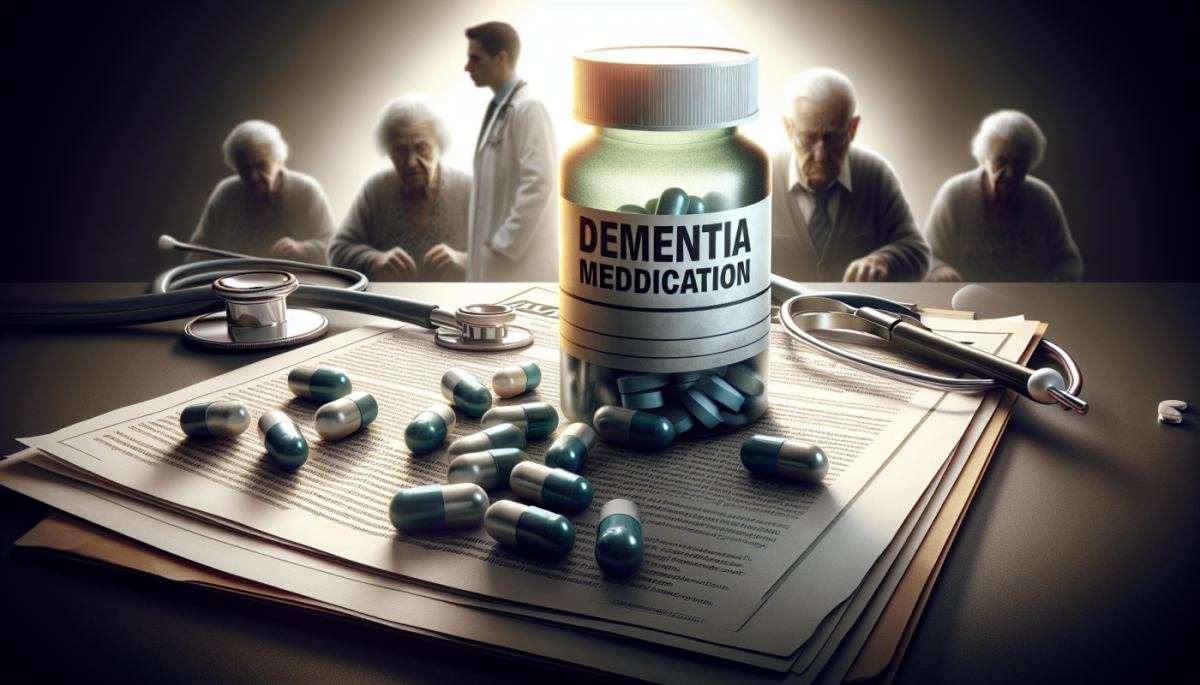
Risperidone has long occupied an uncomfortable but seemingly necessary place in dementia care. It is the only antipsychotic formally licensed in the UK for managing severe agitation in dementia patients, which has given clinicians a kind of implicit permission to reach for it when behavioural symptoms become unmanageable. The assumption baked into that prescribing habit was that risk could be stratified: patients with no prior stroke or cardiovascular disease were thought to be meaningfully safer candidates. A new study of more than 165,000 dementia patients has now dismantled that assumption with uncomfortable clarity.
The research, drawing on one of the largest real-world datasets ever assembled for this question, found that risperidone elevates stroke risk across the entire dementia population, not merely among those already flagged as cardiovascular risks. The scale of the study matters enormously here. With 165,000 patients, researchers had the statistical power to detect effects that smaller trials routinely miss, and what they found was not a signal confined to a vulnerable subgroup. It was a pattern that held regardless of cardiac history. The patients clinicians believed were safer were not, in any meaningful sense, safer.
To understand why this finding lands so hard, you have to understand the therapeutic vacuum it exposes. Dementia agitation, which can manifest as severe verbal aggression, physical violence, or profound distress, is one of the most difficult clinical problems in elderly care. It causes enormous suffering for patients and caregivers alike, and it frequently drives nursing home admissions. Non-pharmacological interventions, including structured activity programmes, sensory therapies, and caregiver training, are recommended as first-line responses, but they require time, staffing, and resources that are chronically scarce in the settings where dementia patients are most concentrated.
When those approaches fail or are unavailable, risperidone has been the licensed fallback. Other antipsychotics are used off-label in this population, but risperidone carries the formal regulatory endorsement that gives prescribers legal and professional cover. That endorsement was always conditional: regulators had flagged cerebrovascular risks even at the point of licensing, and guidelines have long recommended short-term use at the lowest effective dose. But conditional warnings have a way of softening in practice, particularly when a drug is the only tool on the shelf and the patient in front of you is in acute distress.
The new evidence does not introduce a previously unknown risk so much as it removes the escape hatch that allowed clinicians to believe the risk was manageable through patient selection. If cardiovascular history does not reliably identify who is protected, then the entire framework for safer prescribing needs to be reconsidered.
The second-order consequences of this finding are worth thinking through carefully, because they extend well beyond the prescribing decisions of individual doctors. If risperidone use declines in response to this evidence, and it should, the pressure will shift onto a care system that is already operating at the edge of its capacity. Dementia wards and care homes will face more frequent and more severe behavioural crises with fewer pharmacological options. Staff-to-patient ratios in many UK care settings are not designed to absorb that pressure through non-drug interventions alone.
There is also a regulatory and pharmaceutical dimension. The fact that risperidone remains the only licensed drug in its class for this indication reflects a broader failure of investment in dementia pharmacology. Developing drugs for elderly, cognitively impaired populations is expensive, ethically complex, and commercially uncertain, which has historically discouraged the kind of clinical trial investment that might have produced alternatives. The licensing gap is not accidental; it is the product of incentive structures that have consistently undervalued this patient group.
For families and caregivers, the study introduces a different kind of difficulty. Many will have consented to risperidone treatment for a loved one on the basis of a risk conversation that is now outdated. That does not mean the drug was always the wrong choice, but it does mean that future conversations need to be more honest about the limits of what clinicians actually know.
The deeper question this research raises is whether the medical system's reliance on a single licensed drug for a condition affecting hundreds of thousands of people was ever a stable arrangement, or whether it was always a slow-motion crisis waiting for a dataset large enough to make it visible. Now that dataset exists, and the pressure to find genuine alternatives, rather than better ways to justify the one option already available, will be harder to defer.



Discussion (0)
Be the first to comment.
Leave a comment