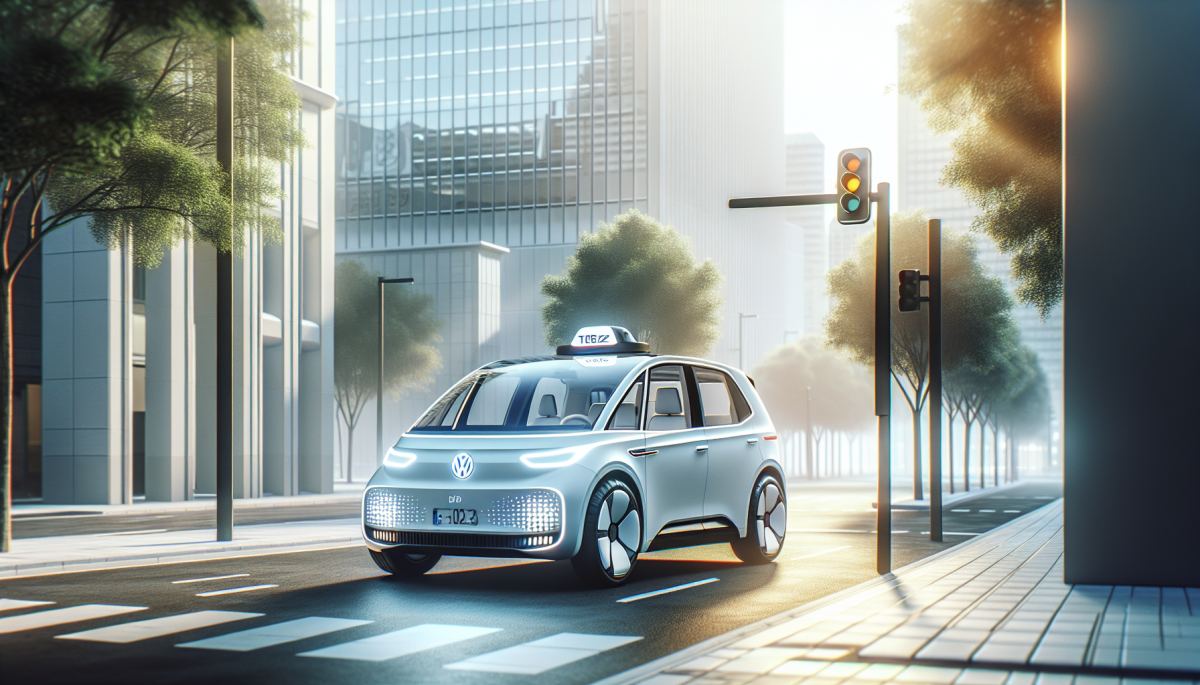
Los Angeles has seen its share of automotive ambition, but the sight of a driverless Volkswagen ID. Buzz minivan navigating its streets marks something worth paying attention to. Volkswagen has begun on-road testing of its fully autonomous ID. Buzz robotaxi in LA, entering a market that is simultaneously heating up and shaking out at a remarkable pace.
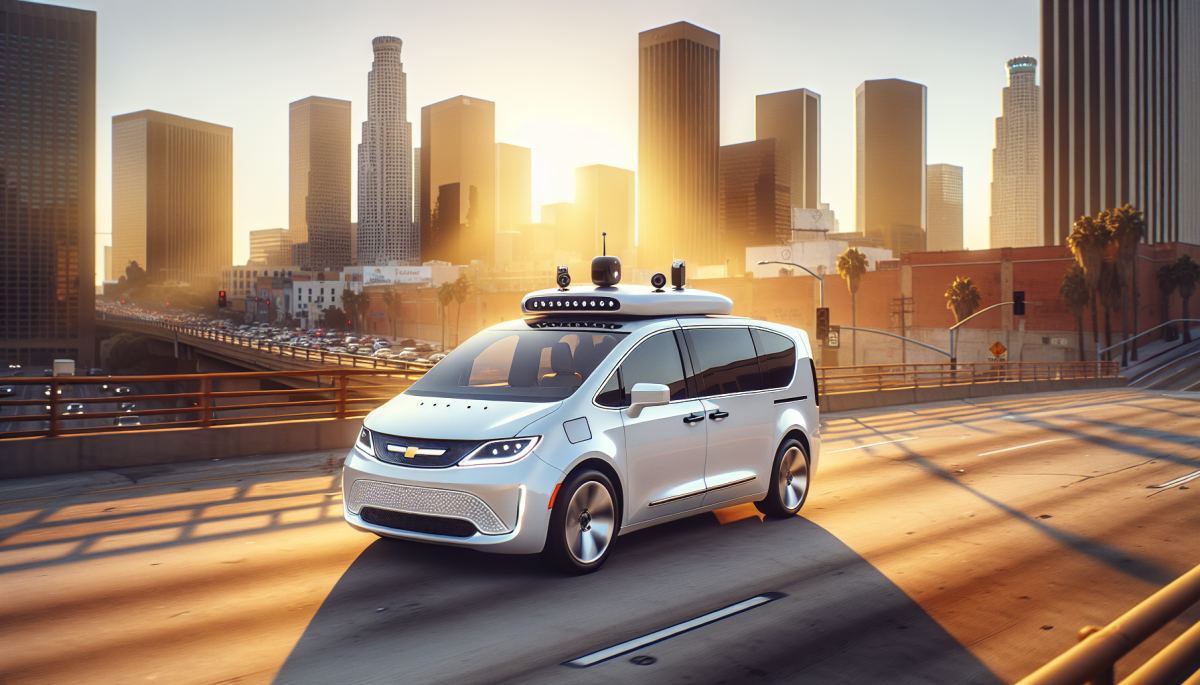
The ID. Buzz is not just a nostalgic callback to the original VW Microbus. It is the physical vessel for Volkswagen's autonomous mobility ambitions, developed in partnership with Mobileye, the Intel-spun-off computer vision company that supplies the self-driving stack. The vehicle uses Mobileye's Drive platform, which relies on a camera-first sensing approach rather than the lidar-heavy systems favored by competitors like Waymo. That architectural choice matters enormously, because it shapes cost structures, regulatory arguments, and ultimately whether the business model can scale.
LA is not an easy proving ground. It is sprawling, car-dependent, and home to some of the most unpredictable traffic behavior in the country. Waymo already operates a commercial robotaxi service in the city, having expanded from San Francisco after years of careful geographic progression. Tesla has announced its own robotaxi ambitions, with Elon Musk promising a paid service launch in Austin this year. Into this environment, Volkswagen is now inserting a vehicle that carries both the weight of a legacy automaker's transformation story and the technical credibility of Mobileye's sensing systems.
The competitive pressure here is not simply about who gets to market first. It is about who can demonstrate sufficient safety records to satisfy California's Public Utilities Commission and the Department of Motor Vehicles, both of which regulate autonomous vehicle permits separately. California's regulatory architecture is among the most demanding in the world, requiring detailed disengagement reports and incident disclosures. That transparency, while burdensome for companies, creates a public data trail that researchers and competitors alike mine closely.
For Volkswagen, the LA testing phase is also a signal to investors and partners that its CARIAD software division, which has faced well-documented struggles and costly delays, is not the only technology bet the company is making. By leaning on Mobileye's proven stack rather than building entirely in-house, VW is hedging in a way that older industrial logic would have resisted. It is a meaningful shift for a company that once insisted on vertical integration as a competitive moat.
The systems-level consequence that tends to get overlooked in robotaxi coverage is what widespread autonomous vehicle testing does to urban insurance markets and municipal liability frameworks. As more companies accumulate miles on public roads, the actuarial data underpinning auto insurance begins to shift. Insurers are already watching closely, and several have begun developing AV-specific policy structures. If autonomous vehicles demonstrably reduce accident rates in dense urban corridors, the downstream pressure on human-driver insurance premiums and city liability exposure could be significant, reshaping municipal budgets in ways that have nothing to do with transportation policy directly.
There is also a labor dimension that rarely surfaces in the technology coverage. Los Angeles has a large and organized rideshare driver workforce. The California Labor Commissioner's office and gig economy advocacy groups have spent years fighting for driver classification rights. A successful robotaxi expansion does not simply displace jobs in the abstract; it arrives into a specific legal and political ecosystem where those workers have recently won hard-fought protections. The political friction that follows could slow permitting timelines in ways that no amount of engineering excellence can overcome.
VW's choice of LA over a smaller, more controlled market suggests confidence, or at least the performance of it. The city's scale and complexity offer the kind of edge-case training data that matters most for machine learning systems trying to generalize across environments. Every mile driven in Koreatown or on the 405 is a data point that tightens the model.
Whether the ID. Buzz becomes a genuine commercial robotaxi or remains a high-profile testing platform for years to come depends on factors well beyond the vehicle itself. Regulatory patience, public trust after any high-profile incidents, and the financial stamina of Volkswagen's mobility division will all shape the outcome. What is already clear is that the race to own urban autonomous mobility is no longer a Silicon Valley story. It is a global industrial contest, and it is being run, quite literally, on the streets of Los Angeles.
Discussion (0)
Be the first to comment.
Leave a comment