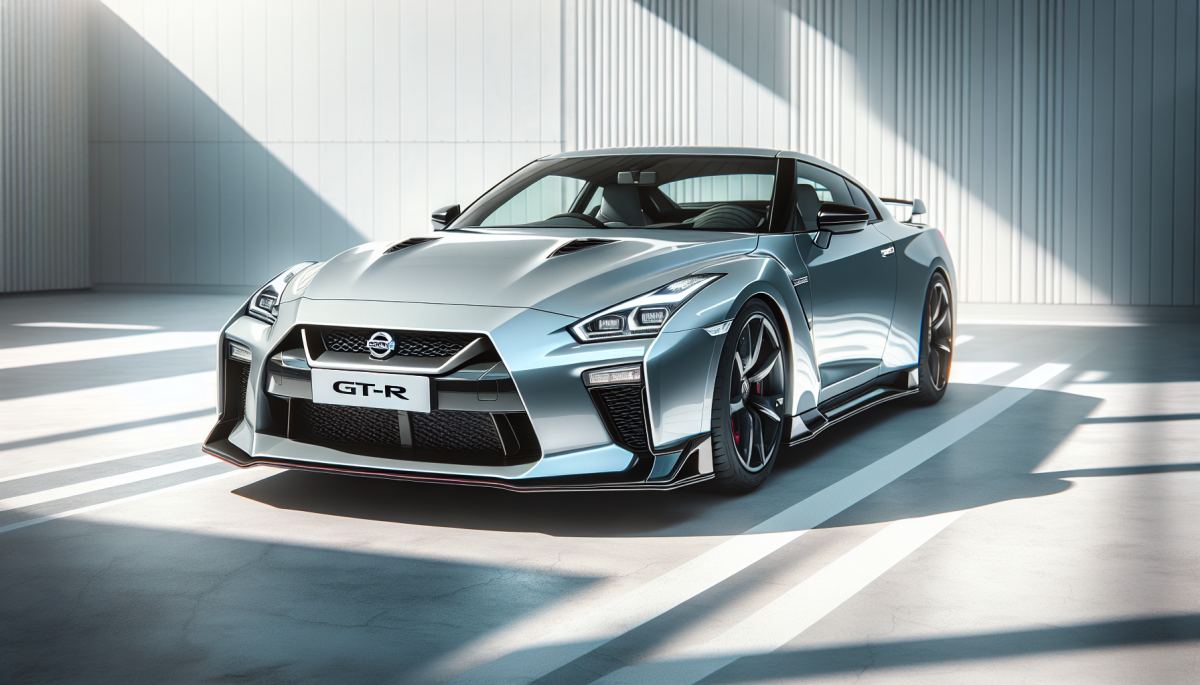
The Nissan GT-R has always occupied a peculiar place in automotive culture. It is not a Ferrari, not a Porsche, and not a McLaren, yet it has consistently humiliated all three on track at a fraction of the price. For decades, its identity has been inseparable from a twin-turbocharged V6, an obsessively engineered all-wheel-drive system, and an almost stubborn refusal to chase trends. That stubbornness, it turns out, has a shelf life.
Nissan has confirmed that a fully electric GT-R is off the table, a decision that will comfort the car's devoted fanbase. But the company has simultaneously acknowledged that a hybrid powertrain is not just possible but effectively inevitable for any next-generation version of the car. That pairing of reassurance and warning tells you almost everything about where the performance car industry is right now: caught between the emotional logic of its past and the regulatory arithmetic of its future.
The GT-R, known affectionately as "Godzilla," has been in continuous production in its current R35 form since 2007. That is an extraordinary run for any performance vehicle, and it reflects both the depth of engineering baked into the platform and Nissan's complicated financial situation over the past decade, which limited investment in a successor. The car that replaced nothing and threatened everything has, in a strange way, outlasted the era that made it possible.
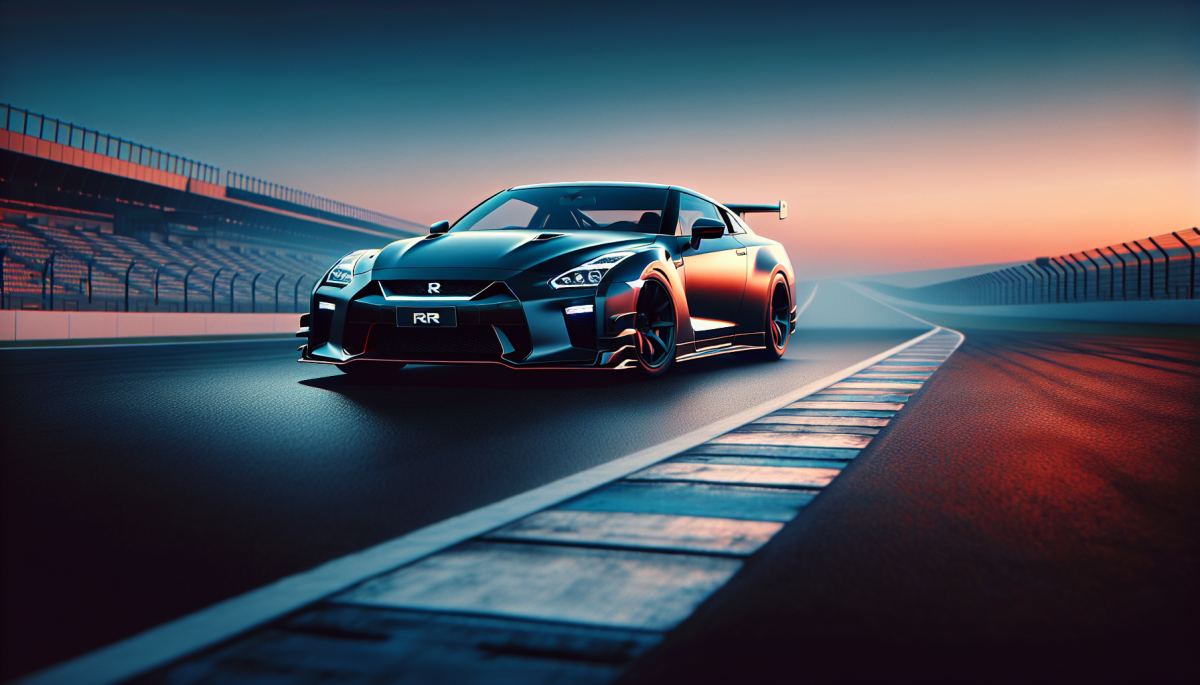
When Nissan says a hybrid is "inevitable," the word choice matters. It is not the language of enthusiasm. It is the language of constraint. Increasingly strict emissions regulations in Europe, the United Kingdom, and California are not designed with exceptions for beloved sports cars. The EU's framework pushing toward zero-emission vehicles by 2035 applies to manufacturers across the board, and fleet-average CO2 targets penalize automakers for every high-emission vehicle they sell, regardless of how iconic it is.
For Nissan specifically, the pressure is compounded by the company's broader strategic position. The automaker has invested heavily in electric vehicle technology through its Leaf and Ariya programs, and its alliance with Renault and Mitsubishi has reshaped how it allocates engineering resources. A pure combustion GT-R successor would be expensive to develop, difficult to certify in key markets, and increasingly hard to justify against a balance sheet that needs electrification wins. A hybrid, by contrast, threads the needle: it preserves the visceral character that defines the GT-R while bringing the car's emissions profile into a range that regulators and corporate sustainability targets can tolerate.
There is also a performance argument for hybridization that is easy to overlook in the cultural noise. The Porsche 918 Spyder, the Ferrari SF90, and the McLaren Artura have all demonstrated that electric motors do not dilute driving intensity. In many cases they sharpen it, filling in torque gaps and enabling power delivery that pure combustion engines cannot match at low revs. A hybrid GT-R, done correctly, could be faster and more capable than anything wearing that badge before it.
But capability is not the only thing GT-R owners are buying. Part of what makes the car culturally durable is its mechanical honesty, the sense that its performance comes from engineering discipline rather than electronic assistance or marketing narrative. Adding a hybrid system introduces weight, complexity, and a layer of software mediation between driver and machine that some enthusiasts will experience as a dilution, regardless of what the lap times say.
This is the second-order consequence that deserves attention. As hybrid and electric powertrains become mandatory across the performance segment, the used market for pure combustion sports cars is likely to experience sustained and possibly accelerating appreciation. Cars like the current R35 GT-R, the naturally aspirated Porsche 911 GT3, and similar last-generation combustion performance vehicles are already being treated less like depreciating assets and more like finite collectibles. Regulatory pressure on new cars does not destroy demand for the driving experience those cars represent. It redirects that demand backward, toward the cars that can still legally deliver it without compromise.
Nissan's hybrid GT-R, whenever it arrives, will almost certainly be a remarkable machine. But its arrival will also mark a closing door, and the enthusiast community understands that clearly even if the press releases do not say it out loud. The question worth watching is not whether the next GT-R can be great. It almost certainly can. The question is whether the thing that made Godzilla Godzilla survives the translation.
Discussion (0)
Be the first to comment.
Leave a comment