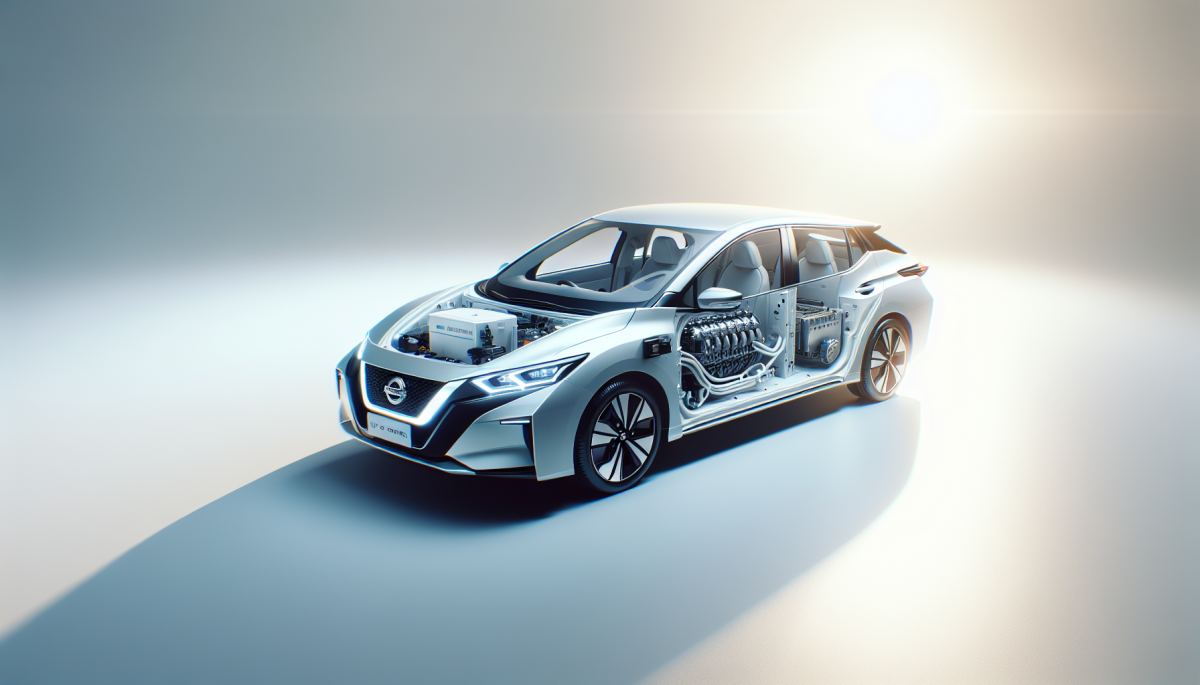
Nissan has spent the better part of a decade watching Toyota and Honda dominate the American hybrid market while sitting largely on the sidelines. That absence wasn't accidental. It was a strategic gamble that the future belonged entirely to battery electric vehicles, a bet that looked reasonable in 2018 and looks considerably shakier now. With EV adoption plateauing well below early projections and hybrid sales surging to record highs, Nissan is preparing to re-enter the U.S. hybrid market with a technology it has quietly refined in Japan and Europe for years: e-Power.
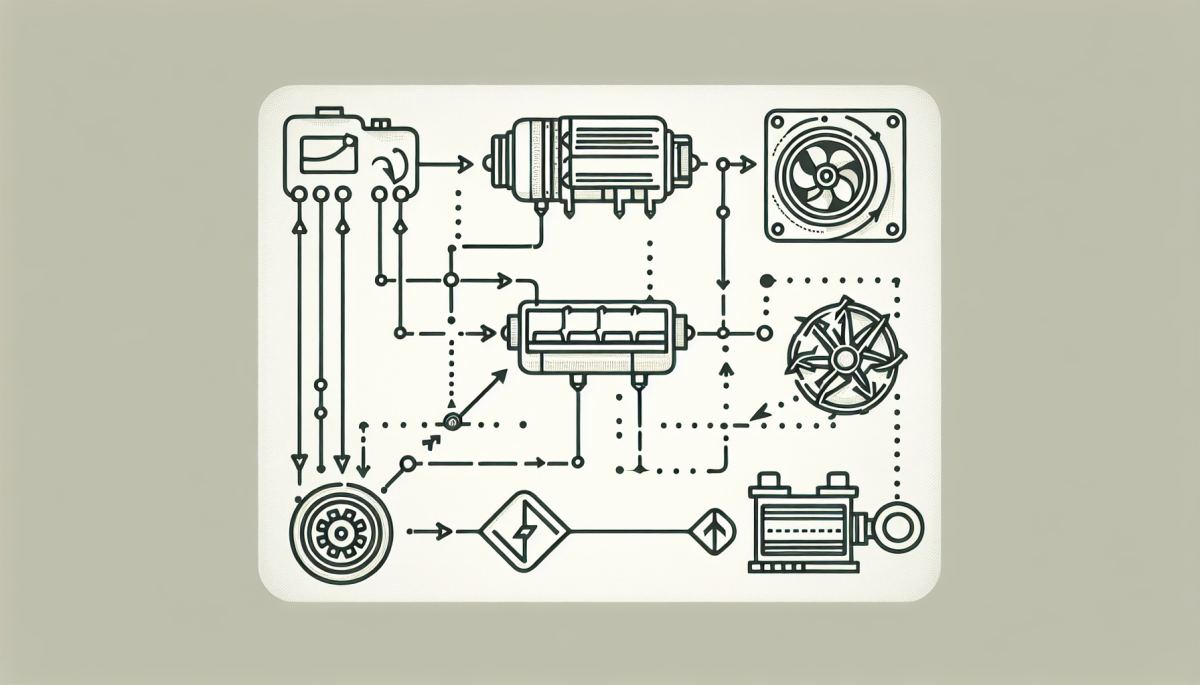
The system is genuinely unusual. Unlike Toyota's Hybrid Synergy Drive, which uses both the gasoline engine and electric motor to physically drive the wheels depending on conditions, Nissan's e-Power architecture uses the gasoline engine exclusively as a generator. The wheels are driven entirely by electric motors, always. The combustion engine never connects mechanically to the drivetrain. What drivers experience is the linear, immediate torque delivery of an EV, while the gasoline engine hums along at its most efficient operating range to keep the battery topped up. Nissan has described the driving sensation as closer to the Leaf, its electric hatchback, than to any conventional hybrid.
That distinction matters more than it might first appear. American consumers who have driven EVs and appreciated the feel but balked at charging infrastructure concerns now have a theoretical bridge product. You get the driving character of an electric vehicle with the refueling convenience of a gasoline car. For Nissan, which has watched its U.S. market share erode steadily over the past several years, the Rogue is the right vehicle to carry this technology. It is consistently one of the best-selling SUVs in the country, competing directly against the RAV4 Hybrid, which Toyota can barely keep in stock.
The timing of this move reveals as much about Nissan's internal pressures as it does about the technology itself. The company has been navigating a prolonged financial and reputational recovery following the arrest and ouster of Carlos Ghosn in 2018, a period that left its product pipeline thin and its strategic direction muddled. While crosstown rival Honda accelerated its hybrid rollout and Toyota expanded the RAV4 Hybrid and introduced the wildly popular Prius Prime, Nissan leaned into the Ariya electric crossover, which arrived late, sold slowly, and failed to generate the momentum the company needed.
The hybrid market Nissan is now entering looks very different from the one it left. According to Cox Automotive data, hybrid vehicle sales in the U.S. grew by roughly 40 percent in 2023 compared to the prior year, even as pure EV growth slowed. Consumers, it turns out, want electrification on their own terms, with a safety net. Nissan's years of absence from this segment have cost it real ground, and the Rogue Hybrid will need to perform commercially not just as a product but as a proof of concept for the entire e-Power strategy.
There is also a manufacturing logic to e-Power that deserves attention. Because the gasoline engine operates at a fixed, optimized RPM rather than across a wide range of loads, it can theoretically be tuned more precisely for efficiency and emissions. Nissan has reported fuel economy figures in other markets that are competitive with Toyota's parallel hybrid systems, though U.S. EPA ratings will be the real test. The architecture also means Nissan can potentially use smaller, lighter engines without sacrificing drivability, which opens up interesting possibilities for future platform development.
The deeper systems consequence here is what e-Power's arrival might do to the competitive framing of the hybrid segment itself. Toyota has spent two decades educating American consumers that hybrids work a particular way. If Nissan successfully positions e-Power as a fundamentally different and more EV-like experience, it could fragment consumer expectations in ways that force Toyota and Honda to more clearly articulate what their own systems offer. That kind of competitive pressure tends to accelerate innovation across an entire category, not just within one brand.
There is also a question of what success or failure here means for Nissan's longer-term EV ambitions. If e-Power earns strong reviews and healthy sales, it buys the company time and cash flow to invest in next-generation battery technology. If it stumbles, either on reliability, pricing, or consumer perception, Nissan's path back to relevance in the American market becomes considerably narrower. The Rogue Hybrid is not just a new trim level. It is a referendum on whether a company that helped pioneer mass-market EVs with the Leaf still knows how to read what American drivers actually want.
The answer will arrive in showrooms, and the market will not be patient.
Discussion (0)
Be the first to comment.
Leave a comment