
Alpitronic has quietly crossed a threshold that seemed futuristic just a few years ago. The Italian-American charging company has begun deploying chargers in the United States capable of delivering up to 1,000 kilowatts to a single port. That is one full megawatt of power, enough to theoretically add hundreds of miles of range to a vehicle in minutes. The hardware is real, it is installed, and it is waiting. The problem is that almost no vehicle on American roads today can actually use it.
The gap between charging infrastructure and vehicle capability is not new in the EV industry, but the megawatt moment makes that gap unusually visible. Most current consumer electric vehicles max out somewhere between 250 and 350 kilowatts of DC fast charging. Even the most aggressive chargers from Tesla's Supercharger V3 network top out at 250 kilowatts per vehicle. Alpitronic's new Hypercharger X1000 is, in practical terms, roughly three to four times more powerful than what today's passenger cars can absorb. The charger is ready for a future that the automotive supply chain has not yet delivered.
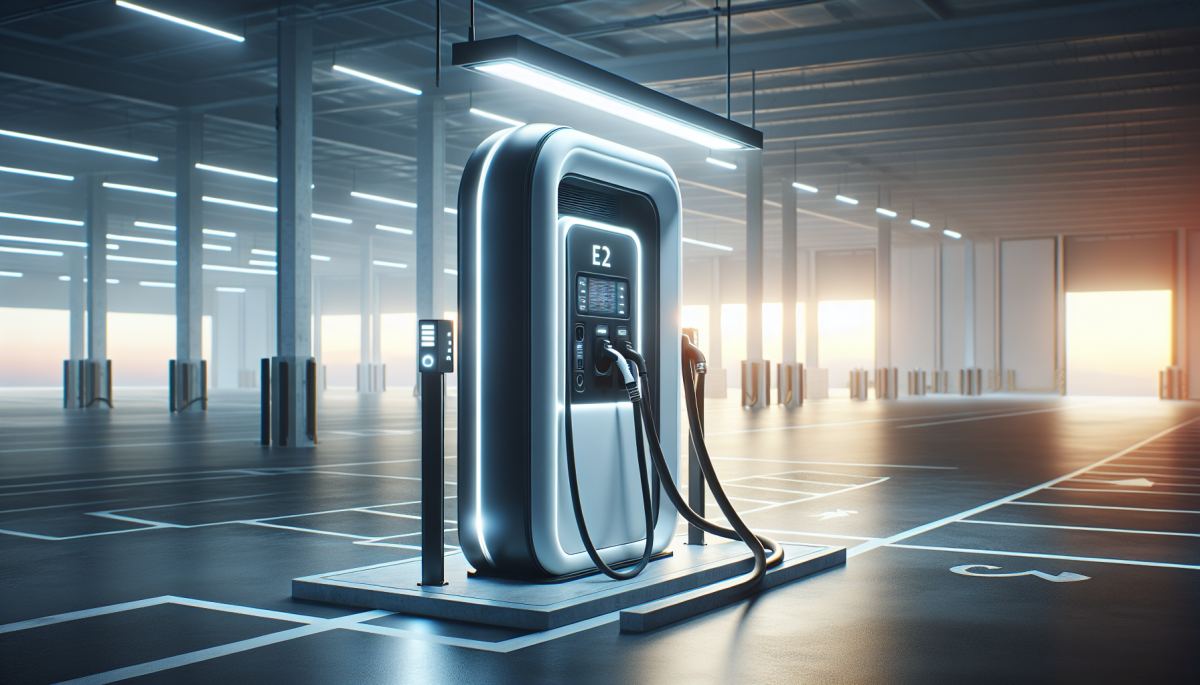
This is a classic chicken-and-egg problem, but with unusually high stakes and unusually large capital expenditures attached. Charging networks must build ahead of demand to attract drivers and automakers, but automakers have little incentive to engineer vehicles for charging speeds that do not yet exist at scale. The result is a landscape where the most powerful chargers in the country sit underutilized, while drivers with older EVs queue at slower stations during peak travel periods.
Alpitronic's move is partly a bet on commercial and heavy-duty vehicles, where the megawatt class makes immediate sense. Electric semi-trucks, transit buses, and regional freight haulers operate on tight schedules and carry enormous battery packs that genuinely benefit from charging speeds in the hundreds of kilowatts. The CharIN MCS, or Megawatt Charging System, is an industry standard already in development specifically for this segment, and several truck manufacturers including Volvo and Daimler Truck have signaled their intent to support it. So Alpitronic is not simply building for an imaginary passenger car future. It is positioning itself at the intersection of two markets: the heavy-duty commercial segment that needs megawatt charging now, and the premium passenger segment that may need it within the decade.
But the commercial trucking pathway introduces its own systemic pressures. Truck stops and freight corridors require grid upgrades that dwarf what a typical highway rest area demands. A single megawatt charger running at full capacity draws as much power as roughly 800 average American homes simultaneously. Utilities in many states are still working through the queue of interconnection requests from solar and wind projects, let alone the sudden appetite for multi-megawatt charging depots along Interstate corridors. The grid, in other words, is the deeper bottleneck, and no amount of elegant Italian hardware changes that arithmetic.
The second-order consequence worth watching is what this infrastructure arms race does to the competitive dynamics among charging networks. Alpitronic supplies hardware to multiple networks rather than operating its own consumer-facing brand, which means its technology will likely appear under various logos across the country. That positions the company as a kind of picks-and-shovels player in the EV gold rush, less exposed to the boom-and-bust of any single network's fortunes. But it also means that the pace of megawatt deployment depends heavily on whether network operators can secure the utility agreements, permits, and grid capacity needed to actually run these machines at meaningful power levels.
There is also a quieter pressure building on automakers. Once megawatt-class infrastructure reaches a critical density, particularly along commercial corridors, the engineering calculus for next-generation battery systems shifts. Automakers that have been conservative about charging speeds to protect battery longevity will face competitive pressure to push their systems harder. Battery chemistry, thermal management, and cell architecture will all need to evolve in parallel, and that evolution is expensive. The companies that begin that engineering work now, rather than waiting for infrastructure to mature, will likely hold an advantage when the market catches up to the hardware already sitting in American parking lots.
Alpitronic's megawatt chargers are less a product launch than a provocation, a piece of infrastructure that forces every other actor in the EV ecosystem to reckon with how far behind the rest of the system actually is. The charger is ready. The question is whether the grid, the vehicles, and the capital markets can close the distance before the next generation of hardware makes this one look modest.


Discussion (0)
Be the first to comment.
Leave a comment