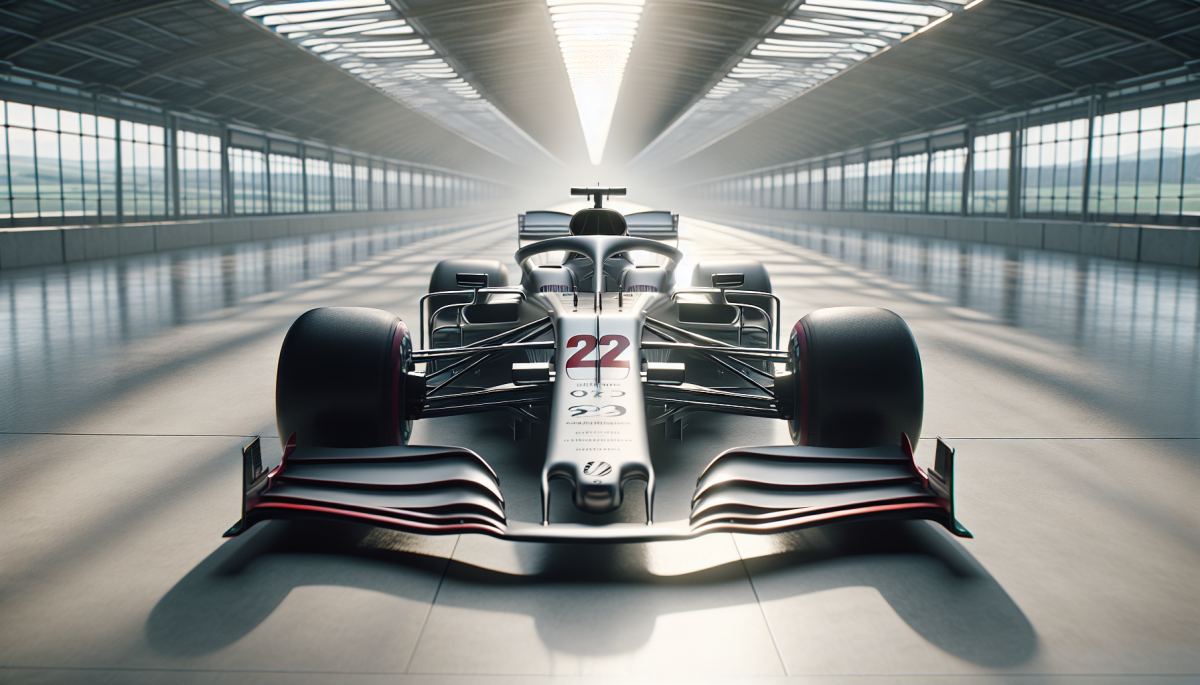
The last time a naturally aspirated V-8 screamed down a Formula 1 straight, it was 2013. That era ended not because the engines were failures, but because the sport's governing body and its manufacturer partners decided the future belonged to hybrid turbo power units. A decade later, the FIA's own president is signaling that the pendulum may swing back, and the reasons why tell you a great deal about the pressures currently reshaping motorsport from the inside out.
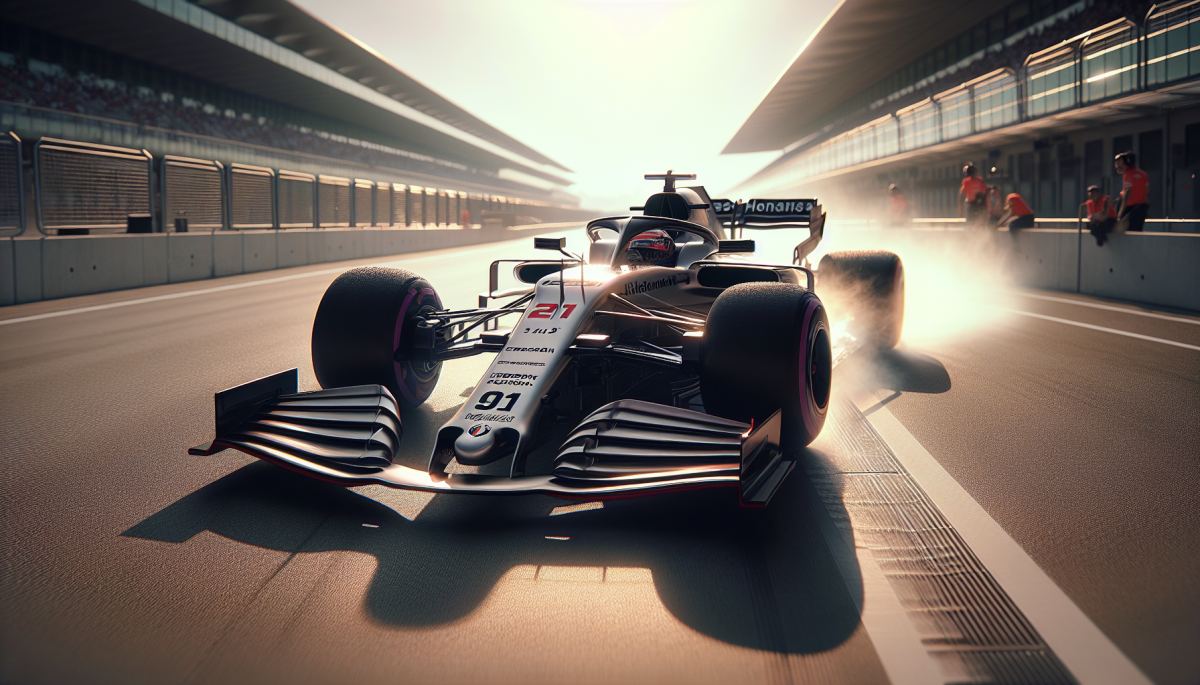
Mohammed Ben Sulayem, the FIA president, told Car and Driver that a return to V-8 engines in Formula 1 is a matter of "when, not if." That kind of language from a governing body head is rarely accidental. It signals intent, tests public reaction, and begins the slow process of building consensus among stakeholders who would need to agree on any such change. The current power unit regulations, which came into force in 2014 and were updated for 2026, represent enormous capital investments from manufacturers like Mercedes, Ferrari, Honda, and Renault. Unwinding that infrastructure is not a weekend project.
Ben Sulayem also floated the idea that McLaren could become an engine supplier under a revised framework. McLaren, which has not manufactured its own F1 engine since the early 1990s when it ran Honda units, would face a formidable development curve. But the suggestion is strategically interesting. A simpler engine architecture, like a naturally aspirated V-8, dramatically lowers the barrier to entry for new manufacturers. The current hybrid power units cost hundreds of millions to develop and require years of refinement. A V-8 formula could, in theory, attract smaller or newer players into the supply chain and reduce the sport's dependence on a handful of automotive giants.
The case for V-8s is not purely nostalgic, though nostalgia is doing real work in this conversation. The current 1.6-liter turbocharged hybrid units are marvels of engineering, converting roughly 50 percent of fuel energy into forward motion, a figure that embarrasses most road car engines. But that efficiency comes at a cost that filters down through the entire grid. Customer teams pay enormous sums for power units they cannot fully understand or control, and the performance gap between a works team and a customer team is partly an engine story.
Simpler engines would, in theory, compress that gap. They would also be louder, which matters more than purists might want to admit. Formula 1's commercial rights holder, Liberty Media, has invested heavily in growing the sport's audience, particularly in the United States, where the Netflix-driven fan boom has brought millions of new viewers who associate F1 with glamour and spectacle. The visceral howl of a high-revving V-8 is a product that television microphones and trackside crowds can both appreciate. The current power units, for all their sophistication, produce a sound that even longtime fans describe as muted.
There is also a regulatory timing argument. The 2026 regulations are already locked in, with Red Bull Powertrains, Audi, and others having committed resources to the new hybrid formula. Any V-8 transition would realistically target 2030 or beyond, giving the sport time to honor existing commitments while beginning the political groundwork for what would be a significant reversal.
The systems-level consequence that tends to get overlooked in this debate is what a V-8 revival would do to Formula 1's relationship with automotive sustainability narratives. The sport has spent years positioning its hybrid technology as a laboratory for road-relevant innovation. Mercedes and others have pointed to F1-derived research filtering into production vehicles. A retreat from that framing, back toward pure combustion performance, would require a new story, and that story would need to be told at a moment when the European automotive industry is navigating an existential transition toward electrification.
If Formula 1 moves toward V-8s while simultaneously road car manufacturers are legally required to sell increasing proportions of electric vehicles, the sport risks becoming culturally decoupled from the industry that funds it. Manufacturers join Formula 1 partly for the marketing halo, and that halo dims if the technology on track bears no relationship to what they are selling in showrooms.
Ben Sulayem's comments may ultimately be a negotiating position rather than a firm roadmap. But the fact that the conversation is happening at all reflects genuine tension within the sport between engineering ambition, commercial reality, and the question of what Formula 1 is actually for. The answer to that question will shape not just engine specifications, but the sport's identity for the next generation of fans who are only now learning the names on the cars.
Discussion (0)
Be the first to comment.
Leave a comment