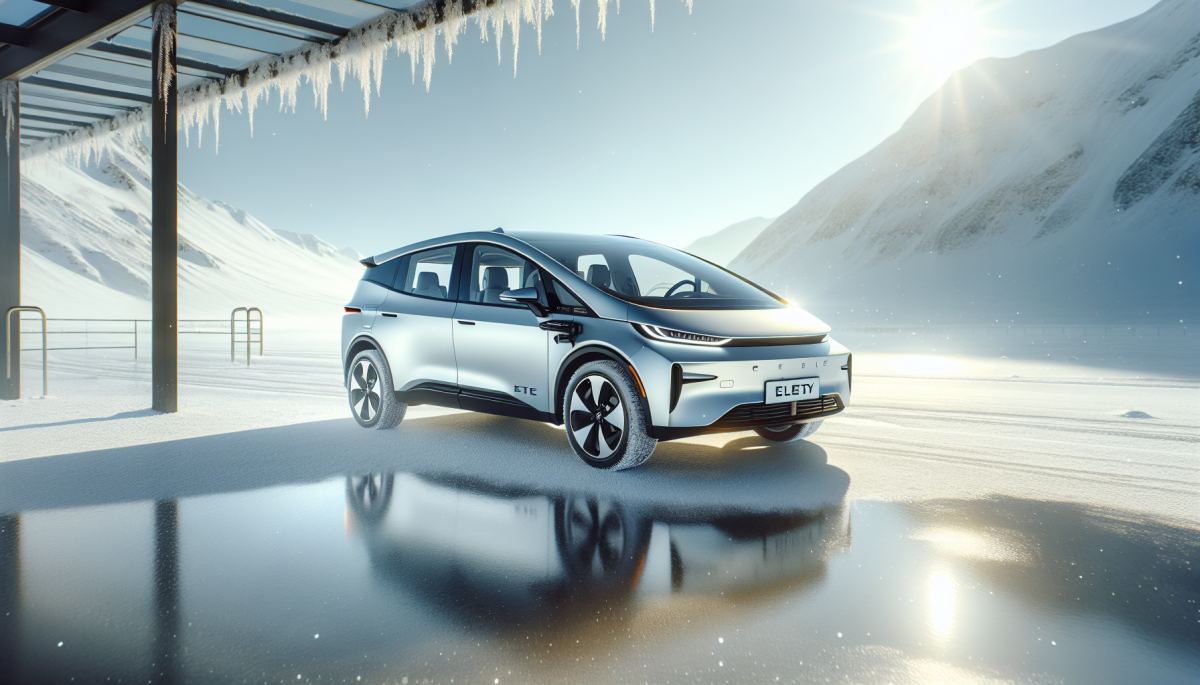
Anyone who has watched their electric vehicle's estimated range plummet on a January morning knows the sinking feeling well. The battery that promised 300 miles in September suddenly reads closer to 200 in February, and the anxiety is real. But a new study is pushing back against the narrative that cold-weather range loss makes EVs economically uncompetitive, finding that even when temperatures bite hard into battery performance, EVs remain cheaper to operate than their hybrid counterparts.
The finding matters because range anxiety in cold climates has become one of the most durable arguments against EV adoption, particularly in northern states and Canada where winters are long and charging infrastructure is still catching up. Critics of electrification have leaned heavily on the cold-weather vulnerability of lithium-ion batteries, and not without reason. Research from AAA has consistently shown that EV range can drop by 20 to 40 percent in freezing temperatures, largely because battery chemistry slows at low temperatures and because cabin heating draws heavily from the same pack that powers the drivetrain. That is a real and measurable cost.
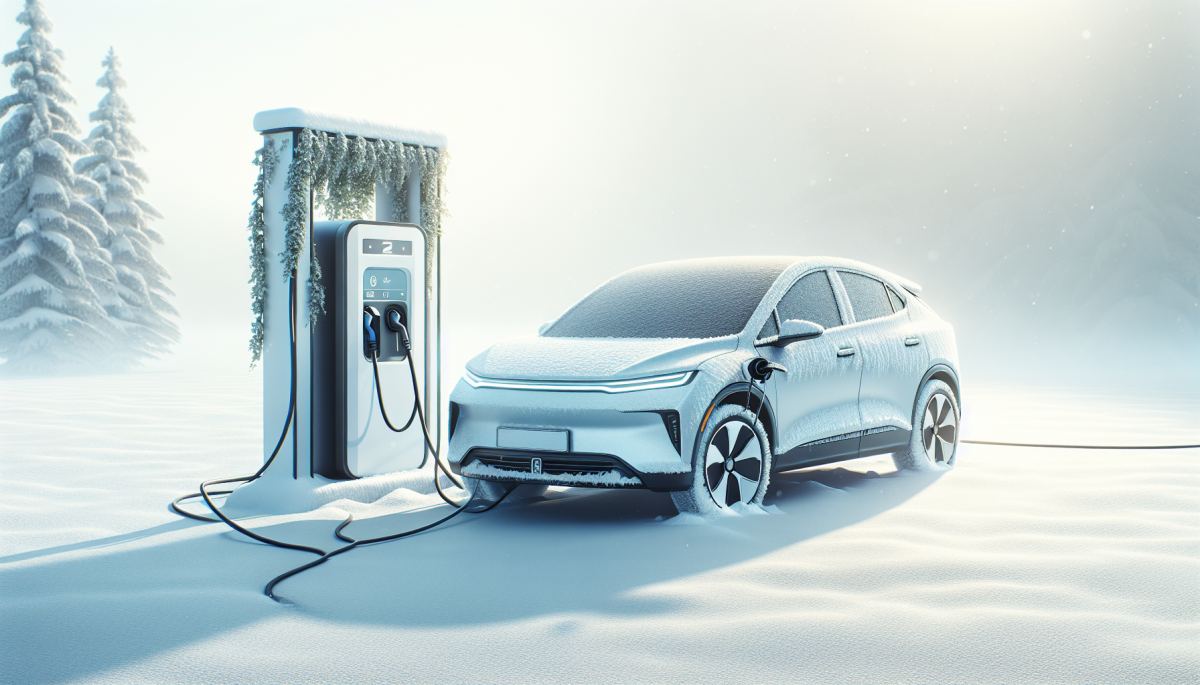
What the new study argues, however, is that even accounting for this degraded efficiency, the per-mile cost of running an EV stays below that of a hybrid. Electricity, even when consumed less efficiently in the cold, is still substantially cheaper per unit of energy than gasoline. Hybrids, meanwhile, also suffer range and efficiency penalties in cold weather, a fact that tends to get lost in the public conversation. The internal combustion engine in a hybrid takes longer to reach optimal operating temperature in the cold, fuel economy drops, and the regenerative braking systems that make hybrids efficient in stop-and-go traffic become less effective when the battery is cold. Both technologies are compromised by winter. The EV just gets more attention for it.
There is a feedback loop embedded in how EV cold-weather performance gets covered. Because range is the most visible metric on an EV dashboard, and because that number visibly drops in winter, drivers experience the loss directly and emotionally. A hybrid driver whose fuel economy quietly slips from 48 mpg to 38 mpg in January is unlikely to feel the same visceral alarm, even though the economic hit is comparable or worse over a full season of driving. Perception, not just performance, is shaping consumer behavior.
This asymmetry has real consequences for the EV market. Automakers have responded by investing heavily in heat pump technology and battery thermal management systems, which help reduce cold-weather losses, but these improvements rarely generate the same headlines as the original problem. The story of EVs struggling in the cold has become sticky in a way that the story of EVs improving has not. That stickiness influences purchase decisions, policy debates, and the political economy of EV incentives in ways that the underlying data does not fully support.
The study's implications also extend to the hybrid market itself. If consumers are migrating toward plug-in hybrids or traditional hybrids specifically as a hedge against cold-weather EV limitations, they may be making a financially suboptimal choice based on incomplete information. Hybrids carry a price premium over conventional vehicles, and if their efficiency advantage over EVs in winter is smaller than assumed, the calculus for choosing one shifts considerably.
The deeper systems-level issue here is not just about which powertrain wins on a cost-per-mile basis. It is about what happens to charging infrastructure investment if cold-weather anxiety continues to suppress EV adoption in northern regions. Charging networks are built on utilization projections. If drivers in Minnesota or Michigan or Maine continue to choose hybrids over EVs at higher rates than drivers in California or Texas, the business case for dense charging infrastructure in those colder markets weakens, which in turn reinforces the range anxiety that drove the hesitation in the first place. It is a self-fulfilling infrastructure gap.
Breaking that loop requires not just better batteries or cheaper electricity, but better public communication about what the actual tradeoffs look like across a full year of driving. Studies like this one are a start, but data rarely travels as fast or as far as a viral post about a stranded EV on a cold highway.
As battery thermal management continues to improve and heat pump adoption in EVs becomes standard rather than optional, the cold-weather gap will likely narrow further. The more interesting question is whether public perception will narrow with it, or whether the EV-in-winter story has already calcified into something that data alone cannot easily dislodge.
Discussion (0)
Be the first to comment.
Leave a comment