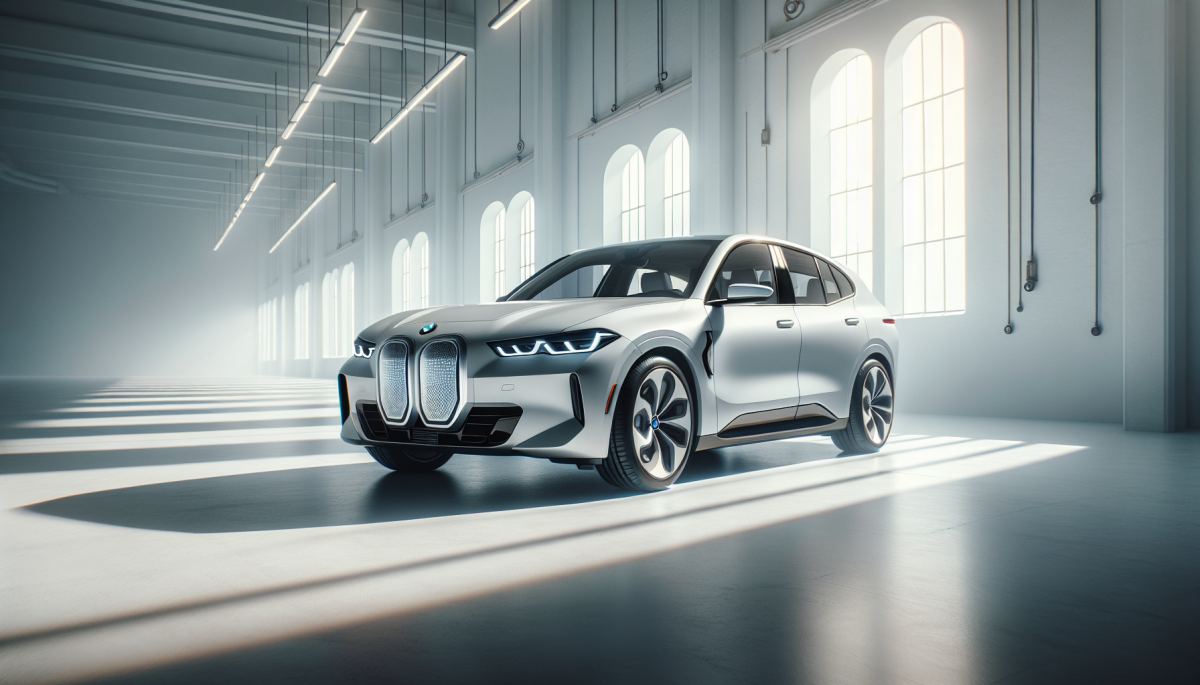
There is something quietly ironic about BMW's current posture toward range-extended electric vehicles. The company that arguably pioneered the concept with the i3 REx back in 2013 is now standing at the edge of a growing market trend, watching Chinese automakers and domestic rivals move aggressively into territory it once owned, and wondering whether to follow.
The i3 REx was ahead of its time in almost every sense. It paired a small battery pack with a tiny two-cylinder gasoline engine that acted purely as a generator, extending the car's range without ever directly driving the wheels. BMW sold it as a pragmatic bridge technology for drivers who wanted electric efficiency but couldn't shake range anxiety. The concept was clever, the execution was polarizing, and BMW eventually discontinued the i3 entirely in 2022. What it left behind, however, was a template that others have since refined into a genuine market category.
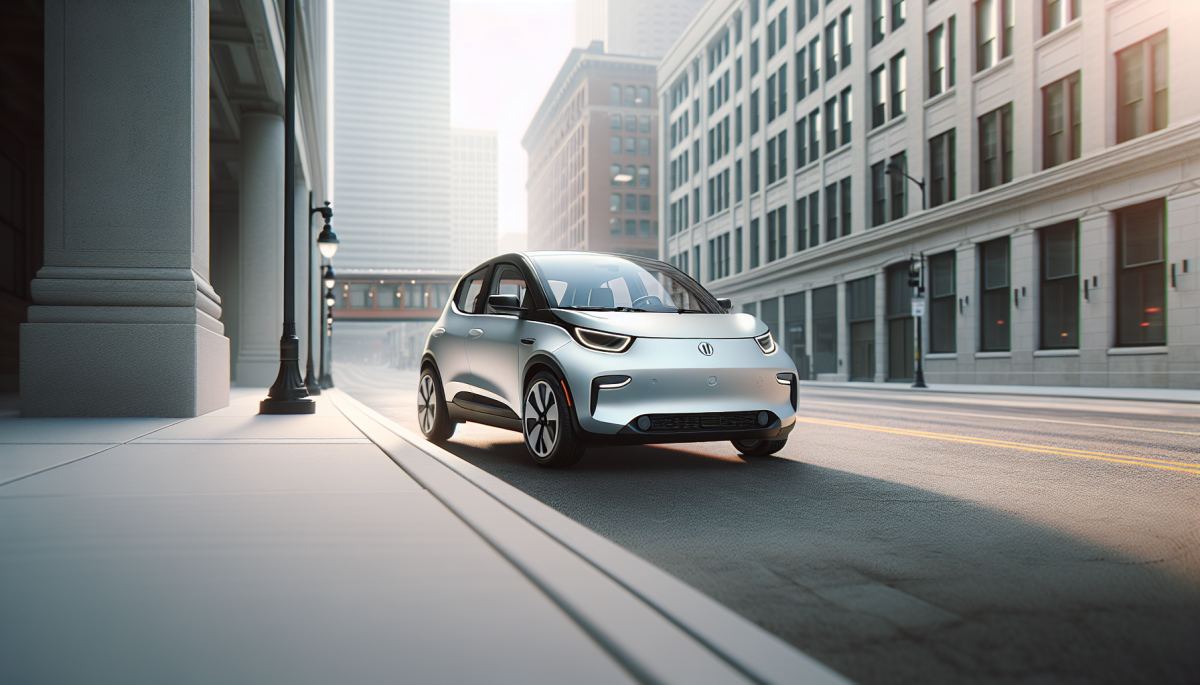
Today, range-extended EVs, often called REEVs or EREVs, are having a genuine moment. In China, brands like Li Auto have built their entire identity around the format, posting record sales numbers and attracting enormous investor attention. Li Auto delivered over 376,000 vehicles in 2023, almost all of them range-extended models, making it one of the fastest-growing automakers on the planet. Stellantis has signaled interest in the technology for certain markets. Even General Motors has explored extended-range architectures under different branding over the years, most famously with the Chevrolet Volt.
The appeal is not hard to understand. A REEV removes the psychological barrier of range anxiety without requiring the massive, expensive battery packs that push the price of pure battery EVs beyond what many buyers are willing to pay. The gasoline engine never needs to be plugged into a fast charger, never needs a 30-minute highway stop, and never leaves a driver stranded in a rural area with no charging infrastructure. For the United States market in particular, where charging networks outside major metropolitan corridors remain patchy and consumer EV skepticism has proven stickier than many analysts predicted, the format has a logical constituency.
BMW's leadership has acknowledged this openly. The company has said it is open to extended-range technology and has not ruled out bringing such a vehicle to the U.S. market. But it has also not committed to anything, which is itself a kind of strategic statement. For a company with BMW's engineering resources and brand positioning, sitting on the fence this long suggests genuine internal tension between its long-stated commitment to full battery-electric vehicles and the commercial reality that pure EV adoption in the U.S. has slowed considerably from its earlier trajectory.
The deeper systems-level consequence here is about platform lock-in and the compounding cost of hesitation. Automakers that commit early to a drivetrain architecture build supplier relationships, manufacturing tooling, software stacks, and engineering expertise around that platform. BMW spent years and enormous capital positioning itself as a pure-BEV future company. Pivoting now, or even hedging publicly, risks sending a confused signal to suppliers, investors, and consumers simultaneously.
There is also a competitive timing problem that compounds with each passing quarter. Chinese automakers are not just selling REEVs domestically. They are using their home market scale to drive down component costs and refine the technology at a pace that Western incumbents, operating under heavier regulatory and labor cost structures, struggle to match. If BMW decides in 2025 or 2026 to develop a serious REEV platform for the U.S. market, it will be doing so while Li Auto and potentially others are already on their second or third generation of the technology, with all the cost and reliability advantages that iteration brings.
BMW's i3 REx story is, in retrospect, a case study in being right about a technology at the wrong moment, then walking away before the moment arrived. The question now is whether the company has the institutional appetite to re-enter a space it pioneered, or whether it will watch the REEV market mature from a distance while defending its pure-EV investments against a consumer base that is, at least for now, more ambivalent about full electrification than the industry had hoped.
The automakers that figure out how to hold both realities at once, genuine long-term EV commitment and near-term pragmatism about what American drivers will actually buy today, may end up defining the next decade of the transition. BMW knows how to build the car. Whether it still has the conviction to build the strategy is a different question entirely.
Discussion (0)
Be the first to comment.
Leave a comment