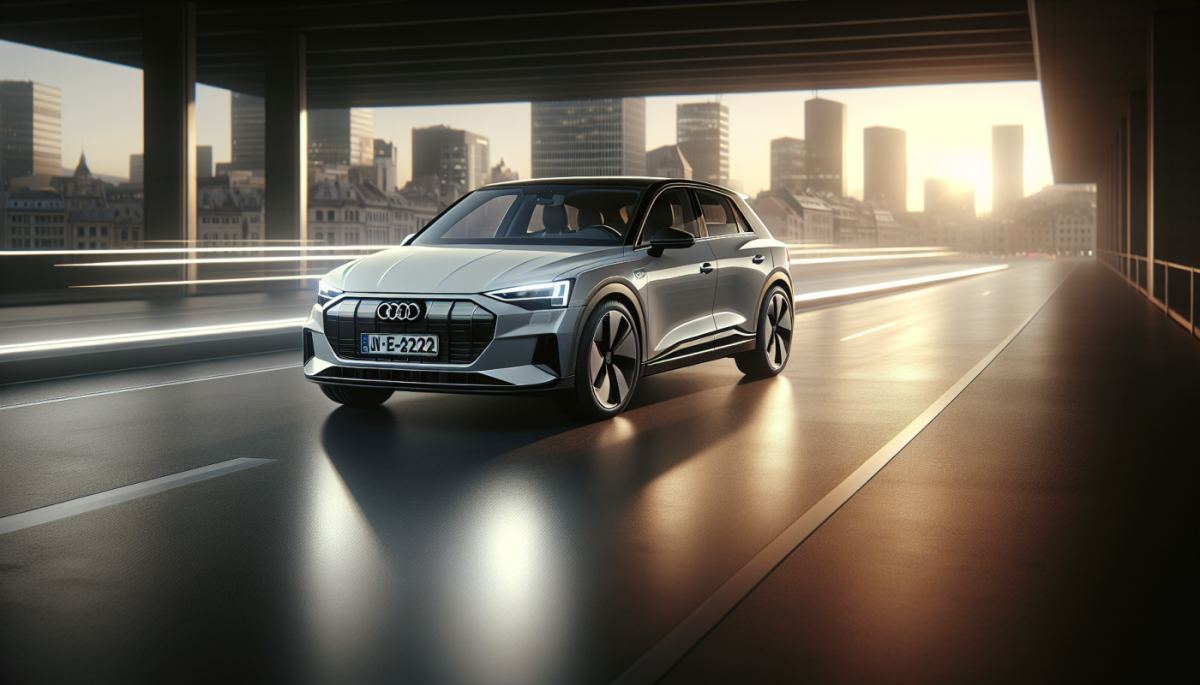
For years, the premium EV market has operated on an unspoken assumption: that electric vehicles are aspirational objects, priced accordingly, and that buyers who cannot afford them simply have to wait. Audi's teaser of the A2 e-tron, described by the company as an effort to "open up access to premium electric mobility," suggests that assumption is cracking under the weight of market reality.
The name itself carries history. The original Audi A2, produced between 1999 and 2005, was a compact aluminium-bodied hatchback that was ahead of its time in engineering but struggled commercially because it was priced too high for what buyers perceived as a small car. Audi discontinued it after modest sales. That the company is now reviving the nameplate for an entry-level electric model is not accidental. It is a signal, deliberate and legible to anyone paying attention, that Audi understands it has a problem at the bottom of its market.
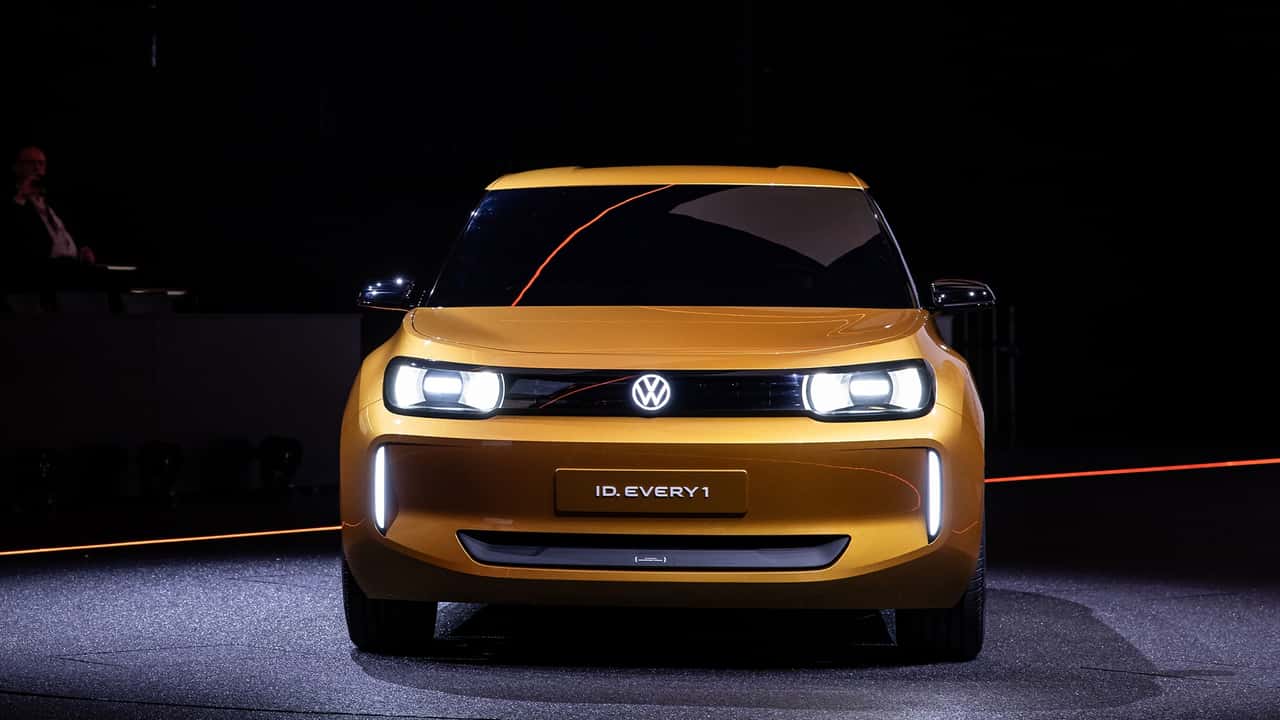
The phrase "we've listened" in Audi's own teaser language is doing a lot of work. It implies a prior conversation, a period in which customers communicated something the company was not acting on. What they communicated, almost certainly, is that Audi's electric lineup, anchored by the Q4 e-tron and the larger Q8 e-tron, remains financially out of reach for a significant portion of the European market that would otherwise consider the brand. While competitors like Volkswagen have moved aggressively toward more affordable electric options with the ID.2 and the forthcoming ID.1, Audi has until now remained planted in higher price territory.
The competitive pressure reshaping Audi's strategy is not coming from traditional rivals alone. Chinese manufacturers, including BYD, SAIC, and a growing constellation of newer entrants, have demonstrated that compelling electric vehicles can be built and sold profitably at price points that European legacy brands have historically dismissed. BYD's Atto 3 and the Seal have found real purchase in European markets, and their presence has forced a reassessment across the industry about where the floor of "premium" actually sits.
Audi sits in a structurally awkward position within the Volkswagen Group. It is expected to be aspirational enough to justify price premiums over VW and Skoda, but accessible enough to generate the volume that funds its engineering ambitions. The A2 e-tron appears to be an attempt to thread that needle, offering a compact electric vehicle that carries the Audi badge and presumably some of the brand's design and technology language, without requiring buyers to spend at Q4 e-tron levels. Whether Audi can actually deliver on that promise without cannibalising its own positioning remains an open and genuinely interesting question.
The Volkswagen Group's shared platform architecture makes this more feasible than it would have been a decade ago. An A2 e-tron would almost certainly share underpinnings with the VW ID.2, which is itself targeting a sub-25,000 euro price point in Europe. Sharing platforms reduces development costs dramatically, but it also raises the perennial Audi dilemma: if the bones are the same as a cheaper VW, what exactly is the buyer paying for? The answer, historically, has been interior quality, software sophistication, and brand cachet. Delivering all three at a lower price point is not impossible, but it requires genuine discipline.
The second-order consequences of a successful A2 e-tron could be significant and somewhat counterintuitive. If Audi manages to bring a genuinely premium compact EV to market at an accessible price, it does not simply expand its own customer base. It raises the competitive floor for the entire segment, forcing rivals to either match the value proposition or cede ground. Mercedes-Benz and BMW, both of whom have been similarly reluctant to move aggressively into smaller electric vehicles, would face renewed pressure to respond.
There is also a feedback loop worth watching within the Volkswagen Group itself. A well-received A2 e-tron could validate the strategy of using shared platforms to democratise premium features, encouraging faster rollout of similar approaches across Seat, Cupra, and Skoda's electric lines. Conversely, if the car is perceived as too similar to its VW Group siblings, it could accelerate a longer-term erosion of the premium differentiation that justifies Audi's price premiums across its entire range.
Audi has been here before, with the original A2, and it did not end well. The difference now is that the market conditions are fundamentally different: electrification is not optional, affordability pressure is structural rather than cyclical, and the cost of getting the positioning wrong is considerably higher. The A2 e-tron is not just a new model. It is a test of whether a legacy premium brand can genuinely reinvent its relationship with accessibility without losing the thing that made it premium in the first place.
Discussion (0)
Be the first to comment.
Leave a comment