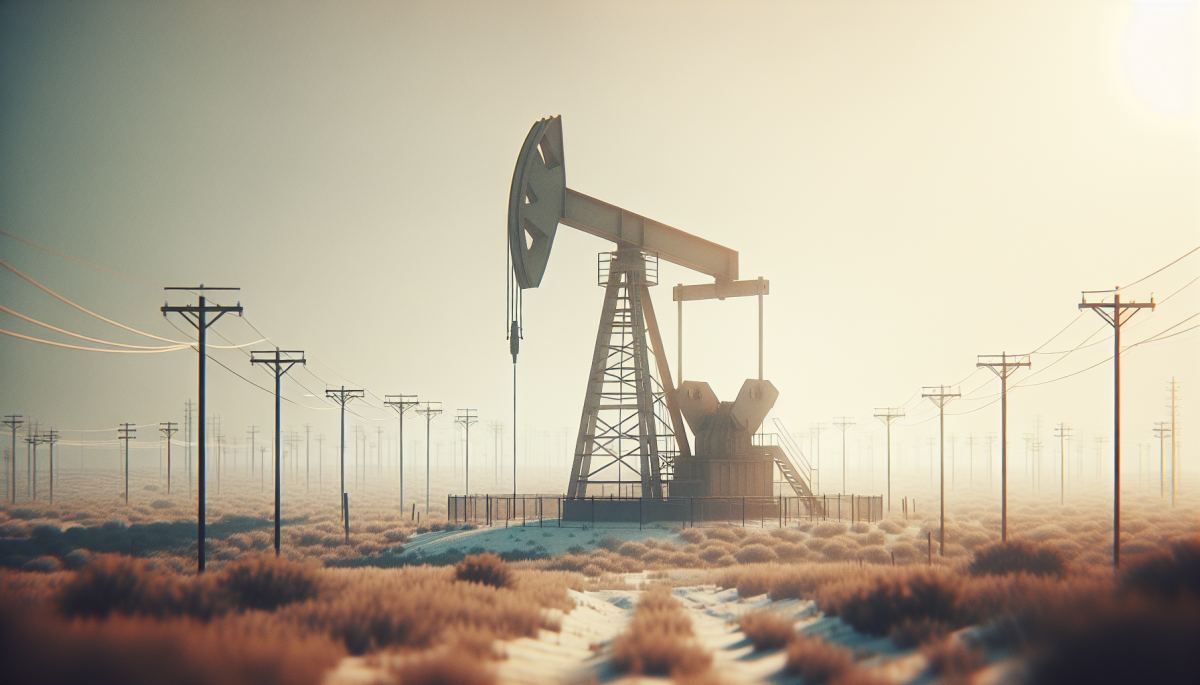
Jackie Chesnutt's ranch in West Green County, West Texas, sits atop oil deposits that once promised steady income. Today, the wells on her property produce just a couple of barrels a month — a trickle so modest it barely justifies the machinery humming above it. Chesnutt is not alone. Across Texas, thousands of so-called "stripper wells" or marginal producers are caught in a slow decline, and the people who own the land beneath them are discovering that having an oil well on your property is not always the asset it sounds like.
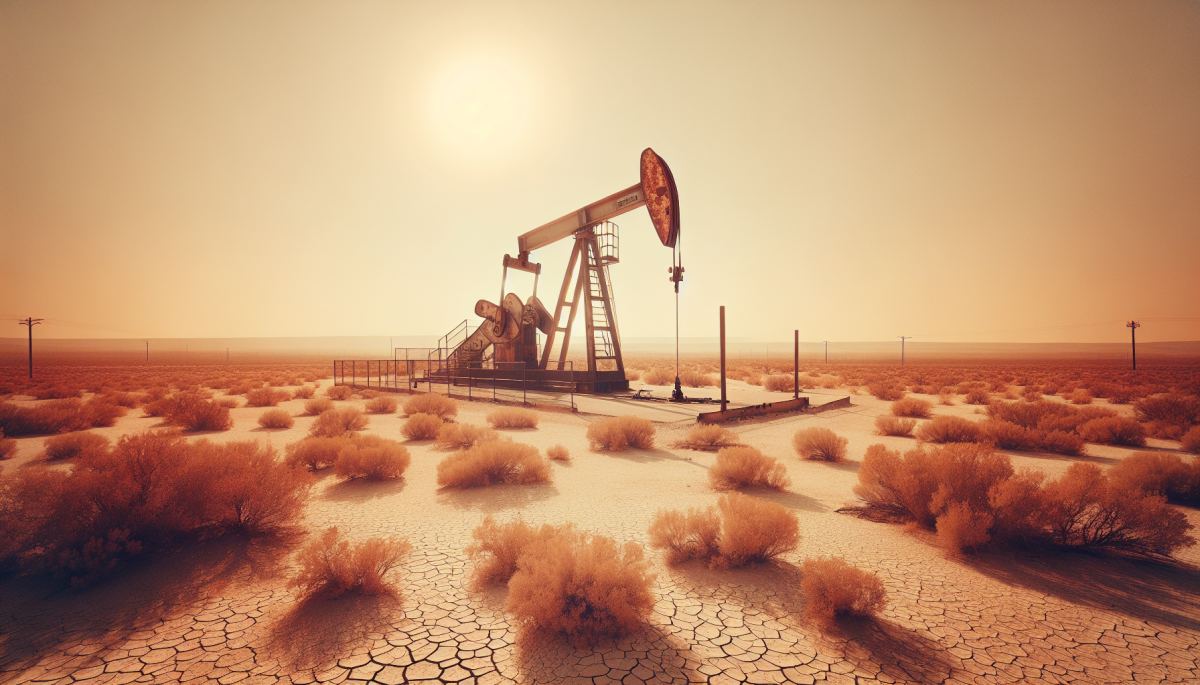
Texas is home to more oil wells than any other state, and a significant share of them are low-volume producers. According to the Interstate Oil and Gas Compact Commission, stripper wells — conventionally defined as those producing 15 or fewer barrels per day — account for roughly 70 percent of all U.S. oil wells and contribute about 10 percent of domestic crude output. In Texas alone, tens of thousands of these marginal wells remain active, many of them barely generating enough revenue to cover operating costs. The economics are brutal: when oil prices dip, operators have little incentive to maintain equipment, pay royalties on time, or invest in proper site management.
For landowners like Chesnutt, the frustration runs deeper than a thin royalty check. The legal architecture governing mineral rights in Texas was built for a different era, one in which a producing well — however modestly — was considered a live asset worth protecting. Under Texas law, an oil and gas lease generally remains valid as long as production continues "in paying quantities," a standard that courts have interpreted with considerable flexibility in favor of operators. That means a well producing two barrels a month can, in many cases, legally hold a lease in place for years, preventing landowners from renegotiating terms, attracting new operators, or reclaiming their mineral rights entirely.
The paying-quantities doctrine was designed to protect operators from losing leases during temporary downturns, a reasonable protection in a volatile commodity market. But it has become a mechanism that effectively locks landowners into arrangements that generate almost nothing while blocking better opportunities. Royalty rates on older leases can be as low as one-eighth, or 12.5 percent, of production value — a figure that, on two barrels a month at current prices, amounts to pocket change. Meanwhile, the operator retains the legal right to the subsurface resource and the surface access that comes with it.
The problem compounds when operators begin to struggle financially. Small independent producers, who own a disproportionate share of marginal wells, are particularly vulnerable to price swings. When they go bankrupt or simply walk away, the wells don't disappear. They become orphaned — unplugged, unmaintained, and potentially leaking methane or brine into soil and groundwater. Texas has an estimated 8,000 or more orphaned wells, though advocacy groups and researchers believe the true number is higher because reporting requirements have historically been inconsistent. The Texas Railroad Commission, which regulates the oil and gas industry in the state, maintains a plugging program, but the backlog is substantial and funding has never matched the scale of the problem.
The second-order effects here extend well beyond individual ranches. When marginal wells are abandoned without proper plugging, they become long-term environmental liabilities. Methane, a greenhouse gas roughly 80 times more potent than carbon dioxide over a 20-year period, can migrate from unplugged wellbores into the atmosphere. The Environmental Defense Fund has documented significant methane leakage from aging oil infrastructure across the Permian Basin, and orphaned wells are a known contributor. Landowners, who had no role in drilling decisions, often find themselves living next to deteriorating infrastructure they cannot legally remove.
There is also a subtler economic feedback loop at work. As long as marginal wells legally hold leases, they suppress the market for mineral rights in affected areas. Landowners cannot attract new investment, cannot lease to operators with better technology or stronger capitalization, and cannot benefit from rising commodity prices the way they might if their leases were free. The land is encumbered, and the encumbrance is nearly invisible until someone tries to act on it.
Federal infrastructure funding has begun flowing toward orphaned well plugging through the 2021 Infrastructure Investment and Jobs Act, which allocated $4.7 billion nationally for the effort. Texas received an initial tranche of that money, but regulators and environmental groups alike have noted that plugging alone does not address the underlying incentive structure that allows marginal wells to persist and eventually become orphaned in the first place.
What Texas landowners caught in this system are really confronting is a regulatory framework that has not kept pace with the reality of a maturing oil patch — one where the romance of the gusher has long since given way to the slow arithmetic of decline. Whether state legislators have the appetite to revisit lease law, tighten abandonment standards, or strengthen landowner protections will likely determine how many more ranches spend the next decade waiting on a well that produces almost nothing and gives up almost nothing in return.
Discussion (0)
Be the first to comment.
Leave a comment