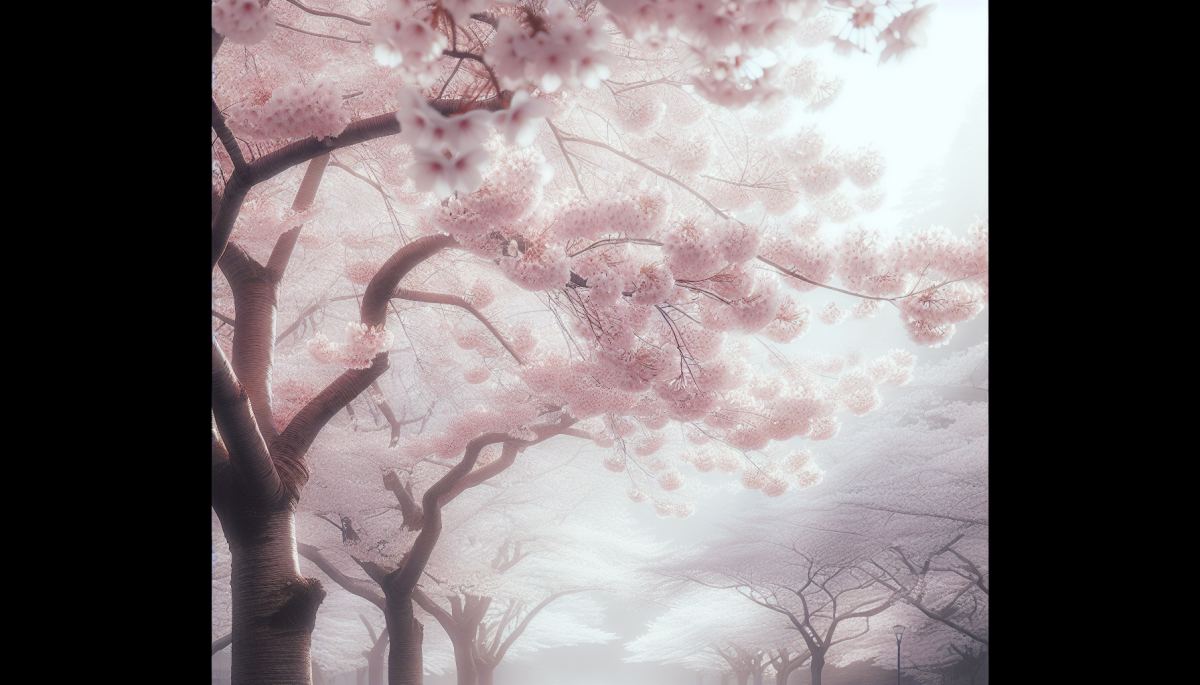
A spreadsheet with a single blank row tells a story that no headline could fully capture. Professor Yasuyuki Aono spent decades reconstructing the peak bloom dates of Kyoto's cherry blossoms, tracing the flowering back to the ninth century through imperial diaries, court poetry, and temple records. He died before he could fill in the entry for 2026. That empty cell, shared quietly on social media by colleagues, is now both a personal memorial and an accidental symbol of something much larger: a natural calendar that humanity has kept for over a millennium is being rewritten in real time.
Aono's dataset is one of the longest continuous phenological records on Earth. Phenology, the study of cyclic and seasonal natural phenomena, rarely gets the attention it deserves outside scientific circles, but the cherry blossom record is an exception precisely because it is so culturally legible. The Japanese tradition of hanami, or flower viewing, is not merely aesthetic. It is a social institution, a scheduling mechanism, a shared temporal anchor. When the blossoms arrive, people gather. Festivals are planned. The rhythm of spring is confirmed. What Aono's data shows, with the kind of clarity that only twelve centuries of observation can produce, is that this rhythm is accelerating in ways that have no precedent in the historical record.
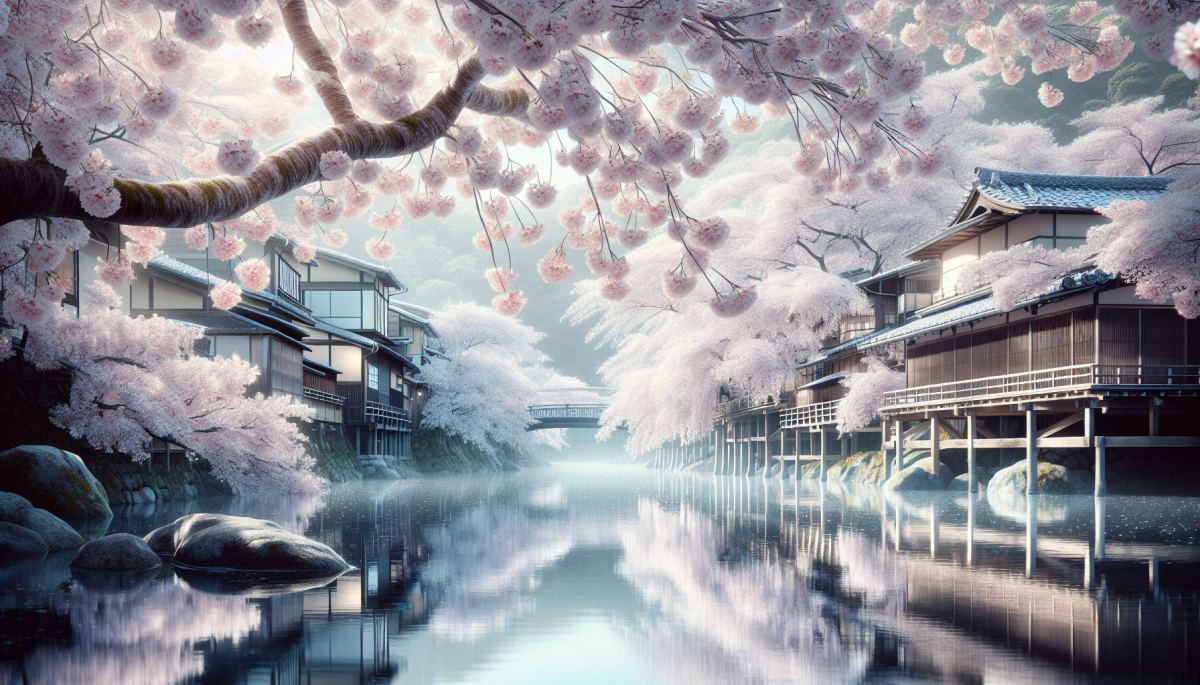
Peak bloom in Kyoto is now arriving significantly earlier than it did even fifty years ago, let alone in the Heian period when court nobles first began recording the dates. The trend line does not meander. It slopes. Climate scientists have connected the shift directly to rising temperatures driven by greenhouse gas emissions, and the cherry blossom record has become one of the more elegant pieces of evidence in that broader argument, because it is so difficult to dismiss. This is not a temperature gauge or a satellite reading. It is a human tradition, observed and recorded across dozens of generations, now showing the fingerprints of industrial-era warming.
The cultural weight of this shift is hard to overstate. Japan's relationship with cherry blossoms is not casual. The blooming season shapes tourism patterns, school calendars, corporate ceremonies, and the emotional texture of spring itself. The blossoms are famously brief, and that brevity is part of their meaning. The Buddhist concept of mono no aware, a bittersweet sensitivity to impermanence, is often invoked in connection with hanami. But there is a difference between impermanence as a philosophical condition and impermanence as a climate symptom. When the blossoms arrive too early, they risk being caught by late frosts, which have become more erratic as warming disrupts the predictable cold of late winter. The beauty remains, but the timing has become unreliable in ways that compound across ecosystems.
This is where systems thinking becomes essential. Cherry trees do not bloom in isolation. Their flowering is synchronized with the emergence of specific pollinators, the migration patterns of certain bird species, and the feeding cycles of insects that depend on the nectar. When the bloom shifts earlier, those synchronizations can break down. Ecologists call this phenomenon phenological mismatch, and it has been documented across multiple species and continents. The cherry blossom is a visible, culturally prominent example of a process happening quietly and simultaneously across thousands of species interactions. The blossoms make the front page. The mismatch in pollinator timing does not.
There is also a feedback loop embedded in the tourism economy that surrounds hanami season. Japan draws millions of visitors each year partly around the expectation of seeing cherry blossoms at peak bloom. Travel is booked months in advance based on historical averages. As those averages shift and become less predictable, the tourism industry faces a structural planning problem. Hotels, airlines, and local vendors are calibrated to a seasonal rhythm that is no longer stable. This is not catastrophic in isolation, but it illustrates how deeply natural cycles are embedded in economic systems that rarely account for their own ecological dependencies.
Aono's life work was, in a sense, an act of listening. He reconstructed what the natural world had been saying across twelve centuries, and what it is saying now is unmistakable. The blank row he left behind will eventually be filled by someone else. But the question his dataset raises is not just about when the blossoms will peak next year. It is about whether the cultural and ecological systems built around that moment can adapt as quickly as the climate is forcing them to.
References
- Aono et al. (2008) — Cherry blossom phenological data and climate reconstruction in Japan
- Primack et al. (2009) — Phenological responses to climate change
- Parmesan et al. (2003) — A globally coherent fingerprint of climate change impacts across natural systems
- Visser et al. (2005) — Phenological mismatch and its consequences for fitness
Discussion (0)
Be the first to comment.
Leave a comment