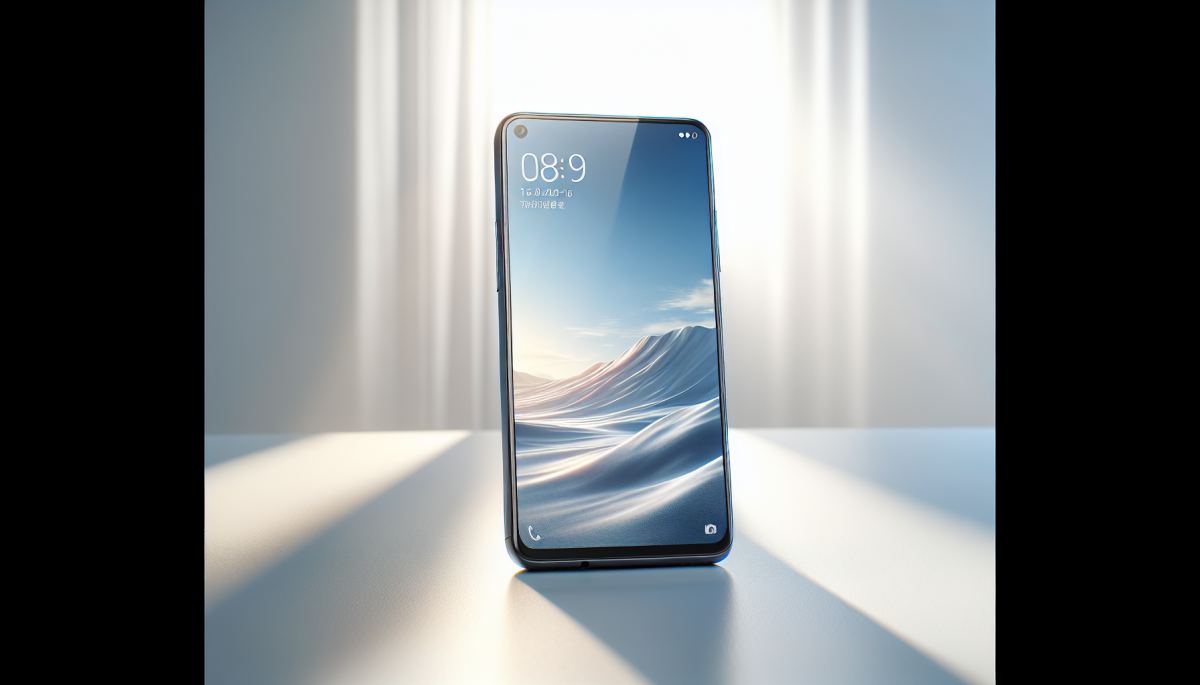
Xiaomi built its reputation selling affordable smartphones to consumers who wanted premium features without the premium price. Now the Chinese tech giant is applying that same logic to electric vehicles, and Europe, already battered by a bruising EV transition, is about to find out what that means in practice.
The company recently opened a dedicated automotive research and development facility and has been quietly recruiting senior engineering talent with deep roots in European automotive culture. These aren't symbolic hires. Bringing in engineers who understand crash safety standards, homologation requirements, and the particular tastes of German, French, and Scandinavian drivers signals that Xiaomi is playing a long game, not staging a publicity stunt. The SU7, Xiaomi's first production vehicle, launched in China in early 2024 and sold out its initial allocation within minutes, demonstrating that the company's brand loyalty in consumer electronics translates, at least domestically, into automotive enthusiasm.
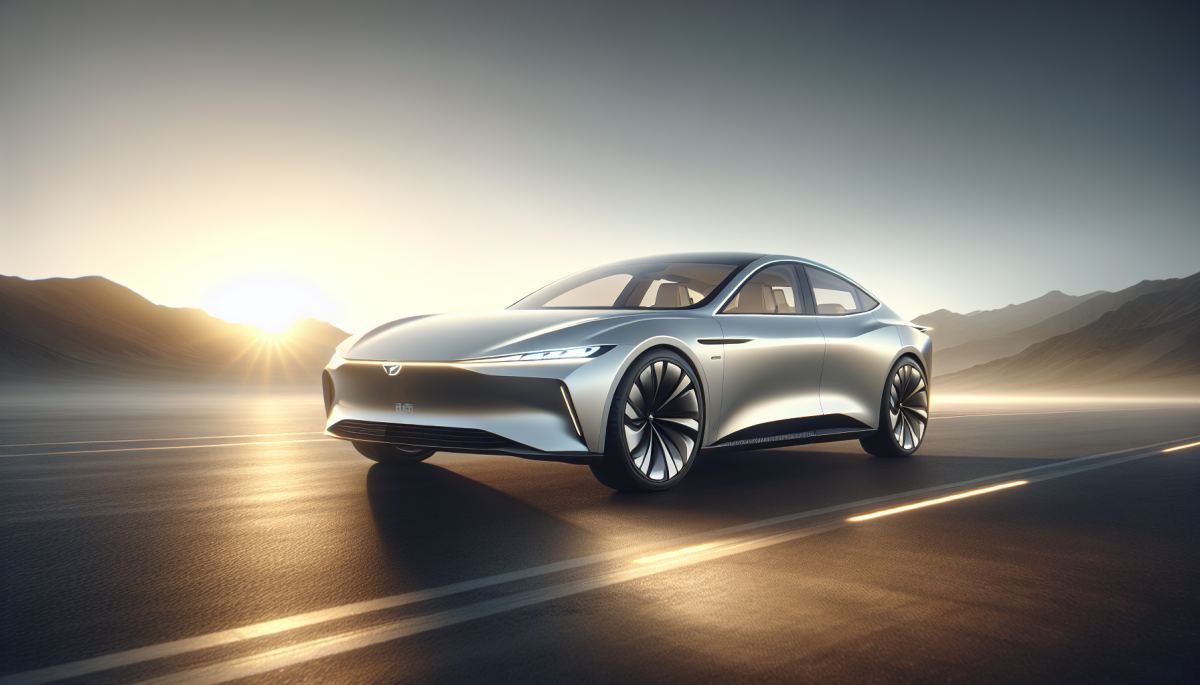
What makes Xiaomi's European ambitions genuinely disruptive isn't just the cars themselves. It's the underlying cost architecture. Xiaomi operates one of the most vertically integrated supply chains in consumer electronics, with deep relationships across Chinese battery suppliers, semiconductor fabs, and manufacturing partners. That integration, built over more than a decade of smartphone competition, gives the company structural cost advantages that European legacy automakers simply cannot replicate quickly. Volkswagen, Stellantis, and Renault are all simultaneously managing legacy combustion engine workforces, expensive retooling programs, and investor pressure to hit EV targets. Xiaomi is walking in with none of that baggage.
The European Union has already recognized this dynamic. The bloc imposed additional tariffs on Chinese-made EVs in late 2024, with Xiaomi facing a levy of around 3.4 percent on top of the standard 10 percent import duty, one of the lower rates among Chinese manufacturers, reflecting the EU's assessment of its subsidy exposure. But tariffs are a blunt instrument. They raise prices and slow adoption, but they don't fundamentally alter the competitive equation if the underlying cost gap is wide enough. BYD, which faced steeper tariffs, has responded by exploring European manufacturing partnerships and local assembly, a playbook Xiaomi could easily follow.
The more interesting systems-level consequence here isn't about market share percentages. It's about what Xiaomi's presence does to the software and services layer of the European auto market. Xiaomi's vehicles run on HyperOS, the company's unified operating system that already connects smartphones, home appliances, and wearables for hundreds of millions of users. A Xiaomi car isn't just transportation. It's a node in an ecosystem. European automakers have spent years and billions of euros trying to build comparable software stacks, with results ranging from mediocre to embarrassing. Volkswagen's software subsidiary Cariad became a cautionary tale, delaying vehicle launches and burning through resources before a painful restructuring.
If Xiaomi captures even a modest slice of the European EV market, it doesn't just take revenue from incumbents. It potentially locks consumers into a data and services ecosystem that is architected in China, raising questions that go well beyond trade policy. European regulators are already wrestling with data sovereignty concerns around connected vehicles, and the arrival of a company whose entire business model depends on ecosystem lock-in will sharpen that debate considerably.
There is also a feedback loop worth watching on the talent side. As Xiaomi recruits European automotive engineers, it transfers institutional knowledge about regulatory navigation, consumer preferences, and supplier relationships. That knowledge accelerates future product cycles, making each successive Xiaomi vehicle better calibrated for European roads and regulations than the last. The incumbents, meanwhile, are losing the very people who understood their own systems best.
Europe's EV transition was already complicated before a smartphone company decided to enter the race. The arrival of a competitor that thinks in ecosystems rather than model cycles, and that has already proven it can manufacture desirable technology at scale, suggests the next few years will be considerably more turbulent than the industry's official forecasts tend to acknowledge. The real question isn't whether Xiaomi can sell cars in Europe. It's whether European automakers can move fast enough to defend the ground they're standing on.
References
- Reuters (2024) — EU sets final tariffs on electric vehicles from China
- Bloomberg (2024) — Xiaomi SU7 electric car sells out in minutes after launch
- Financial Times (2024) — Volkswagen software unit Cariad restructured after delays
- European Commission (2024) — Commission concludes anti-subsidy investigation on electric vehicles from China
Discussion (0)
Be the first to comment.
Leave a comment