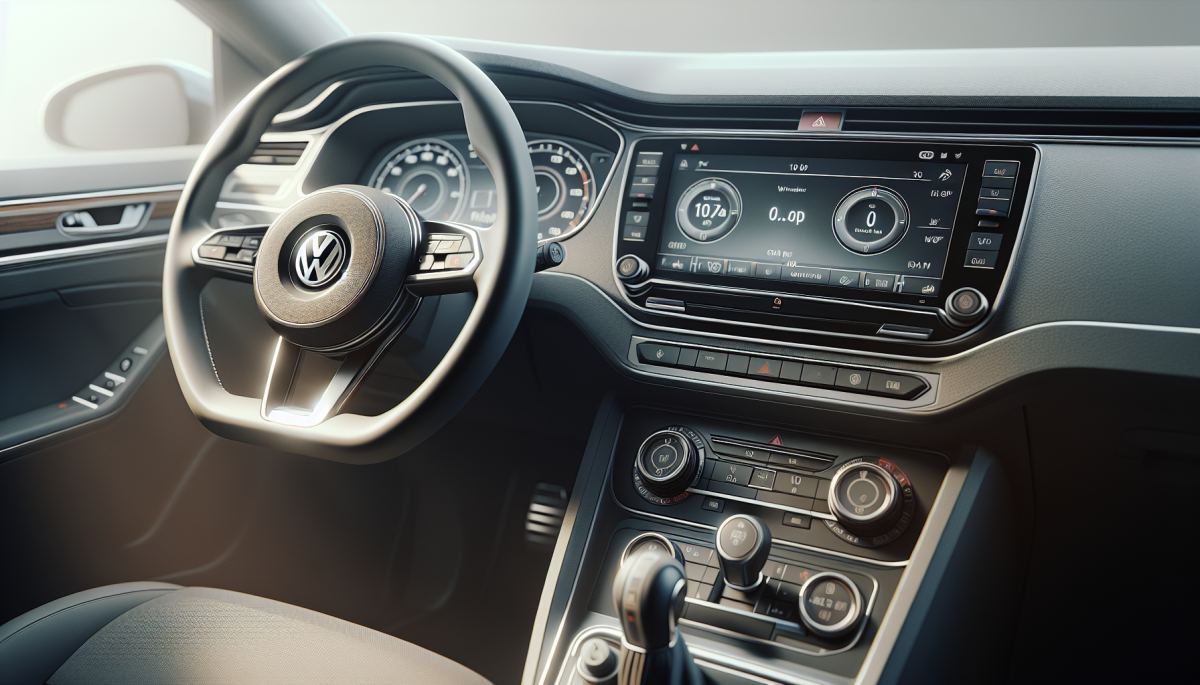
Volkswagen's chief executive has drawn a line in the dashboard: capacitive touch controls are going away, and so are the abstract model names that left customers cold. The announcement is short on technical specifics but long on implication, and it arrives at a moment when the entire automotive industry is quietly reassessing one of its most confident bets of the past decade.
For years, automakers chased the aesthetic of the smartphone. Flush surfaces, haptic feedback, and glowing sliders replaced the chunky knobs and tactile buttons that drivers had relied on since the earliest cars. The logic seemed sound at the time: digital interfaces are cheaper to update, easier to localize, and carry an unmistakable signal of modernity. Volkswagen leaned into this harder than most, rolling out capacitive touch strips for volume and temperature controls across its Golf, Tiguan, and ID-series lineups. The backlash was swift and sustained. Owners complained that adjusting the heat while navigating a roundabout required the kind of focused attention that no driver should be giving to a climate panel.
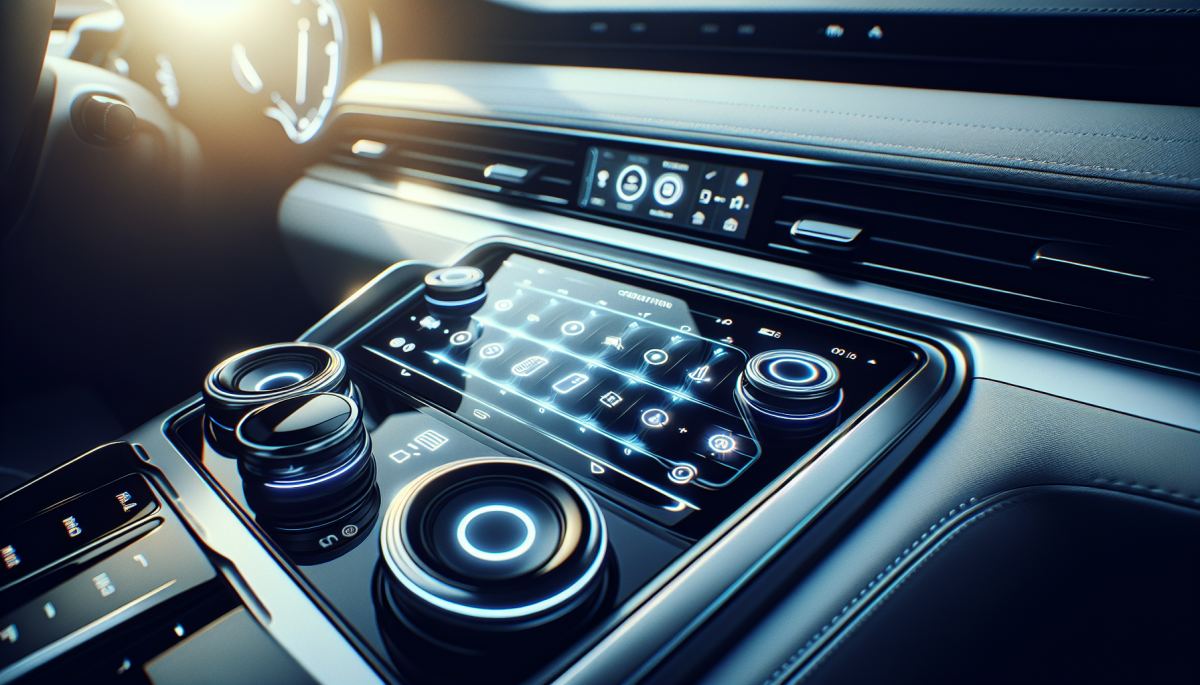
The ergonomics community had been raising flags long before the boardrooms listened. Research from institutions like the Swedish National Road and Transport Research Institute found that touchscreen-heavy interfaces demand significantly more cognitive load and eyes-off-road time than physical controls. A 2022 study by the UK consumer group Which? tested a range of vehicles and found that some modern infotainment setups were slower to operate than systems from the 1990s. Volkswagen's own capacitive strip, which required a precise finger placement rather than a confident twist, became something of a case study in how good intentions and poor execution can erode brand trust.
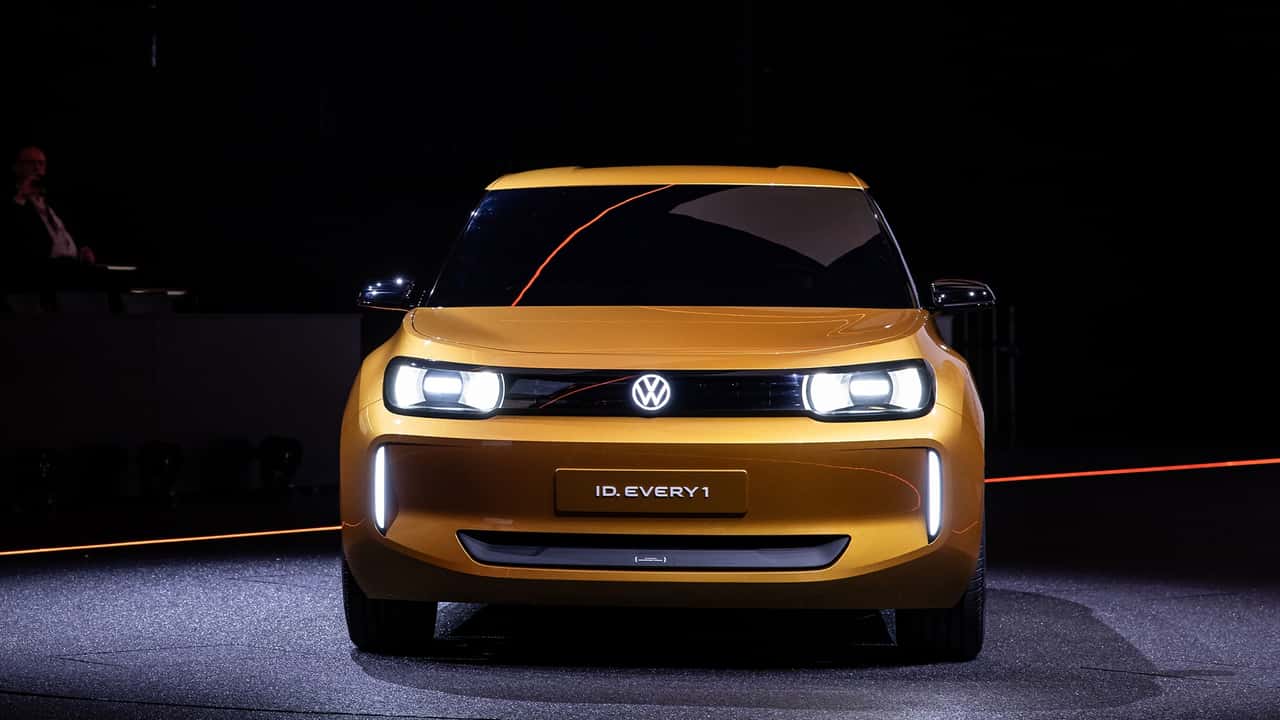
The naming strategy compounded the problem. When Volkswagen retired familiar nameplates in favor of alphanumeric ID designations for its electric lineup, it severed a thread of continuity that customers had held for generations. The Golf, the Polo, the Passat: these were not just cars but cultural anchors in European and global motoring. Replacing them with ID.3 and ID.4 felt, to many buyers, like being handed a product code instead of a car. The CEO's willingness to reverse course on both fronts suggests that the internal data on customer satisfaction finally overwhelmed the internal enthusiasm for disruption.
What makes this moment genuinely interesting from a systems perspective is what it signals upstream and downstream of Volkswagen itself. Suppliers who invested heavily in capacitive interface components, software stacks, and haptic feedback modules now face a recalibration of demand. Tier-one automotive suppliers like Continental and Bosch, who built entire product lines around the touchscreen transition, will need to read this shift carefully. If Volkswagen, one of the world's largest automakers by volume, is publicly committing to physical controls, others will follow. Stellantis, Renault, and even some Asian manufacturers have already shown hesitation about going fully touchscreen, and a VW declaration gives cover to executives who privately agreed but lacked a high-profile peer to point to.
There is also a regulatory dimension quietly building in the background. Road safety authorities in Europe have been scrutinizing distracted driving with increasing urgency, and interface design is entering that conversation. Euro NCAP, the body that scores vehicle safety, has already begun incorporating infotainment usability into its assessment frameworks. A world where safety ratings are partly determined by how quickly a driver can lower the fan speed without looking is a world that structurally rewards the return of physical controls, regardless of what any single CEO says.
For consumers, the more immediate consequence is a restoration of something that should never have been treated as optional: confidence. The ability to reach for a knob and feel it respond, without glancing away from the road, is not nostalgia. It is ergonomics. Volkswagen's reversal is less a retreat from technology than a correction of a category error: the assumption that because something can be digitized, it should be.
The deeper question now is whether this correction travels fast enough. Automakers work on five to seven year development cycles, which means the cars being designed today will reflect the decisions being made in boardrooms right now. If the industry absorbs this lesson broadly and quickly, the next generation of vehicles could strike a genuinely better balance between digital capability and physical usability. If it absorbs it slowly, drivers will spend a few more years jabbing at glass while trying to defrost their windshields.
Discussion (0)
Be the first to comment.
Leave a comment