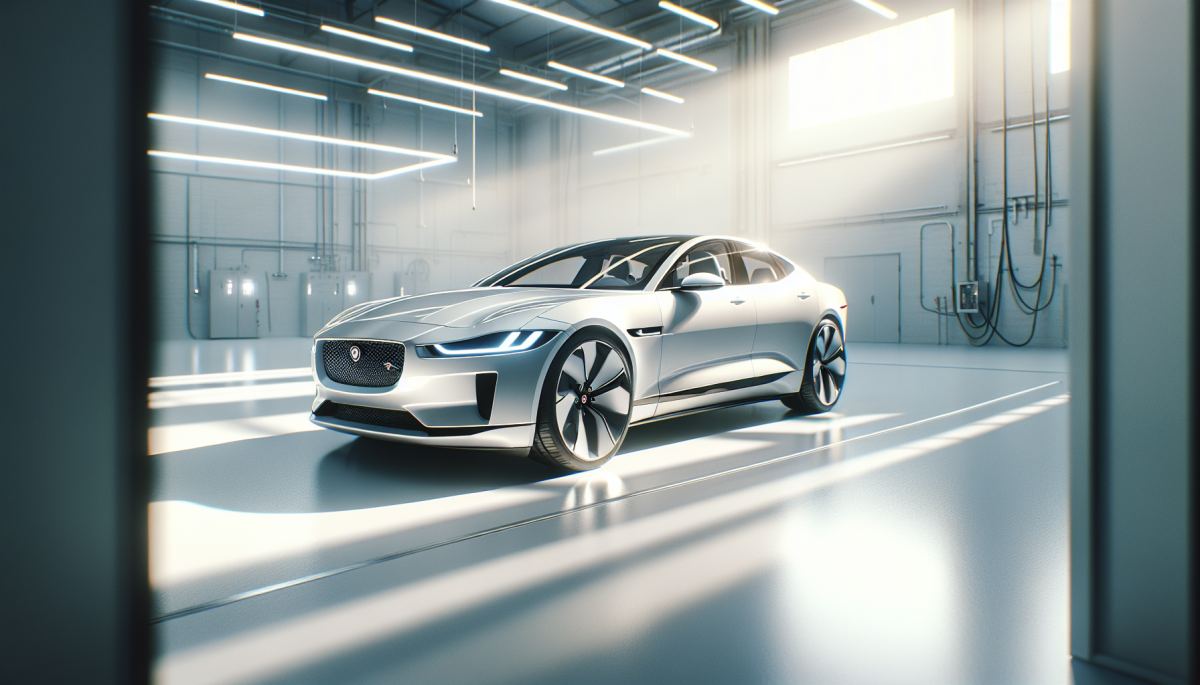
Jaguar unveiled its Type 00 concept sedan earlier this year, a sweeping, polarizing machine that signals the brand's full pivot away from combustion engines and toward a radically repositioned identity. The car is striking, deliberately so, with a silhouette that owes more to sculpture than to anything previously associated with the British marque. But the question hanging over the whole enterprise is not whether the prototype looks good. It is whether anyone with the money to buy it will actually want to.
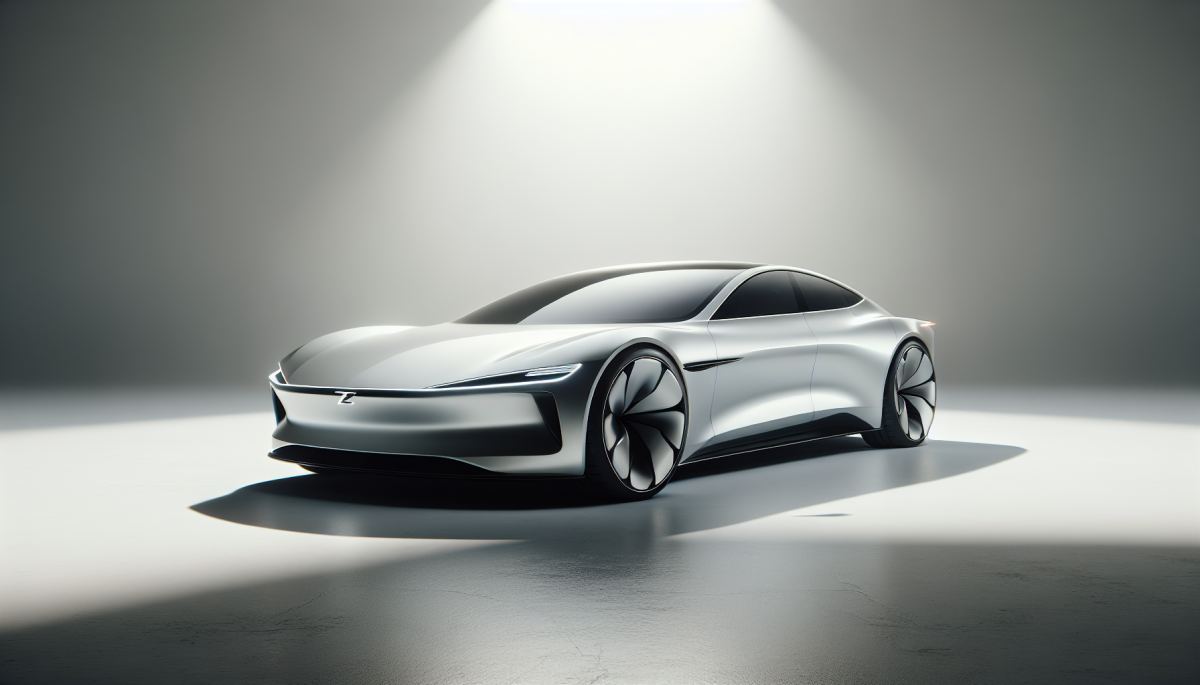
The numbers frame the challenge starkly. Jaguar sold roughly 67,000 vehicles globally in 2023, a fraction of what rivals like BMW or Mercedes-Benz move in a single quarter. Parent company Tata Motors has been subsidizing the brand through years of restructuring, and the strategy now crystallizing under CEO Rawdon Glover is to abandon volume entirely and chase ultra-luxury margins instead. The target price for the production version of the Type 00 is expected to land above $100,000, placing Jaguar in direct competition with Porsche's Taycan, the Mercedes EQS, and the upper trim lines of Tesla's Model S. That is a crowded room, and the guests already there have significant head starts.
The luxury electric vehicle segment has matured faster than almost anyone predicted five years ago. Porsche delivered over 40,000 Taycans in 2023 alone, and the car has become a genuine status symbol among buyers who once would have defaulted to a Panamera or a 911. Mercedes has struggled more with the EQS, whose unusual styling and software complexity drew criticism, but the brand's overall EV infrastructure, dealer network, and financing ecosystem give it a resilience Jaguar simply does not have. Jaguar, by contrast, is essentially starting over. It has paused new model launches, shrunk its lineup to almost nothing in the interim, and is betting that the mystique of the name and the drama of the new design language will be enough to pull buyers into showrooms when production begins around 2026.
That is a significant ask. Brand mystique is real, but it is also fragile and slow to rebuild once eroded. Jaguar spent much of the 2010s selling competent but unremarkable SUVs and sedans that blurred into the broader premium market without establishing a clear emotional claim on buyers. The F-Type was a genuine driver's car, beloved by enthusiasts, but it never sold in numbers that could anchor a brand identity. Now Jaguar is attempting something genuinely audacious: skip the middle market entirely, declare itself a peer of Bentley and Aston Martin, and price accordingly. The risk is not just that buyers won't follow. It is that the brand disappears from cultural relevance during the years it takes to find out.
There is a systems-level consequence to this strategy that deserves more attention than it typically gets. When a legacy automaker dramatically contracts its volume and repositions upmarket, the ripple effects extend well beyond the showroom. Jaguar's dealer network, already under strain, faces an existential question: how do you sustain a retail operation selling a handful of six-figure vehicles per year? Many dealers will consolidate or exit, which reduces geographic coverage, which in turn makes service and ownership more inconvenient, which feeds back into purchase hesitation among exactly the affluent but practical buyers Jaguar needs to attract. The feedback loop here is not friendly.
There is also the question of what happens to the skilled workforce and supplier relationships built around Jaguar's current production volumes. A shift to ultra-low-volume, ultra-high-margin manufacturing requires a fundamentally different supply chain, one optimized for bespoke quality rather than throughput efficiency. Building that infrastructure takes years and capital, and it requires Tata's continued patience at a moment when the Indian conglomerate has its own pressures to manage.
None of this means Jaguar's bet is wrong. Bentley and Rolls-Royce have demonstrated that tiny volumes and enormous margins can sustain a brand indefinitely, provided the product is genuinely exceptional and the brand story is coherent. But both of those companies had decades of uninterrupted prestige to draw on. Jaguar is attempting to manufacture that aura in real time, with a prototype that has not yet been driven by a single paying customer.
The Type 00 may well be everything Jaguar hopes it is. The more interesting question is whether the market will still be listening by the time it arrives.
Discussion (0)
Be the first to comment.
Leave a comment