There is a quiet but consequential shift happening at small flight schools across the United States, and Star Flight Training in Virginia is now part of it. The school recently expanded its fleet with four Tecnam P-Mentor aircraft, a move that on the surface looks like routine fleet growth but carries implications that ripple well beyond the tarmac.
The Tecnam P-Mentor is not a flashy aircraft. It is a two-seat, low-wing trainer built by the Italian manufacturer Tecnam, a company that has spent decades carving out a niche in the light aviation market by prioritizing fuel economy and modern avionics over raw performance. What makes the P-Mentor notable in the context of American flight training is precisely that combination: lower operating costs paired with a glass cockpit environment that mirrors what students will eventually encounter in commercial operations. For a regional school trying to attract students who are already staring down the cost of a commercial pilot certificate, which can easily exceed $80,000 to $100,000 at many institutions, that calculus matters enormously.
Star Flight Training's decision to add four of these aircraft simultaneously signals something more deliberate than incremental growth. It suggests the school is positioning itself to absorb a larger student volume, likely in response to the well-documented pilot shortage that has been reshaping aviation workforce pipelines since the post-pandemic travel boom accelerated demand far beyond what training infrastructure was prepared to meet.
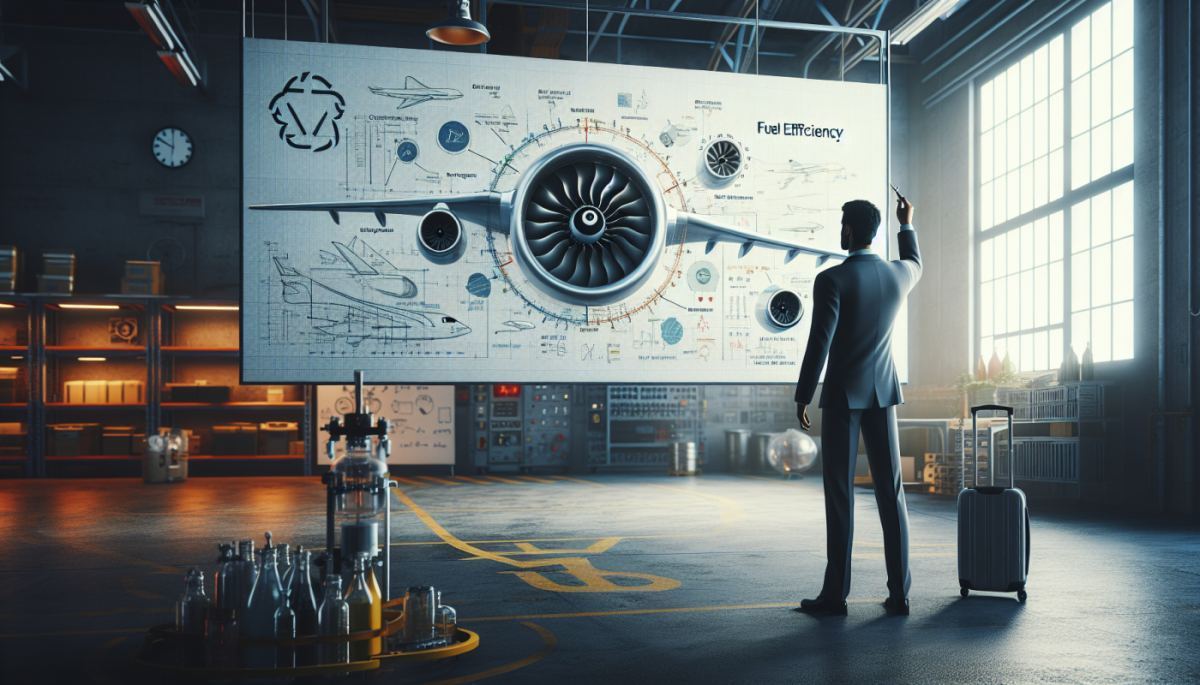
Fuel costs are one of the most volatile and least controllable expenses in flight training. When aviation gasoline prices spiked in recent years alongside broader energy market disruptions, many small flight schools found their hourly rates climbing steeply, pricing out students who were already stretching financially. A more fuel-efficient trainer does not eliminate that pressure, but it does create a buffer. If the P-Mentor burns meaningfully less fuel per flight hour than older high-wing trainers that dominate many school fleets, the school can either protect its margins or pass some savings to students, both of which improve the school's competitive position.
Accessibility is the word Star Flight Training used when describing the expansion, and it deserves unpacking. Accessibility in flight training is not just about tuition sticker prices. It is about how quickly a student can progress, how reliable the aircraft are, and whether the training environment feels modern enough to prepare someone for a professional cockpit. Older aircraft with steam-gauge instruments create a translation problem: students learn one instrument environment and then must adapt to glass cockpits when they enter regional airline pipelines. Training on aircraft like the P-Mentor, which features contemporary avionics, compresses that adaptation curve.
The systems-level consequence worth watching here is what happens when multiple regional schools make similar fleet upgrades in the same period. The United States is facing a structural pilot shortage that the Regional Airline Association and others have flagged as a long-term workforce crisis, not a temporary blip. The FAA's 1,500-hour rule, which requires aspiring airline pilots to accumulate significantly more flight time than their counterparts in most other countries, means the training pipeline is long and expensive by design. Schools that can lower the per-hour cost of building those hours, while simultaneously improving training quality, become chokepoints of strategic importance in the broader aviation workforce system.
If Star Flight Training succeeds in attracting more students through this expansion, and if those students move through the pipeline more efficiently because of better equipment, the school becomes a feeder node in a network that ultimately supplies regional carriers. That is a feedback loop with real consequences for air service in smaller American communities, which depend on regional airlines that are themselves dependent on a steady flow of newly certificated pilots.
The four P-Mentors are a small addition to the national fleet count. But the logic behind the purchase reflects a broader reckoning in general aviation: the schools that survive and grow will be the ones that treat fuel efficiency and modern avionics not as luxuries but as structural necessities. Whether the rest of the industry moves fast enough to close the pipeline gap before regional air service contracts further is the question that will define the next decade of American aviation.


Discussion (0)
Be the first to comment.
Leave a comment