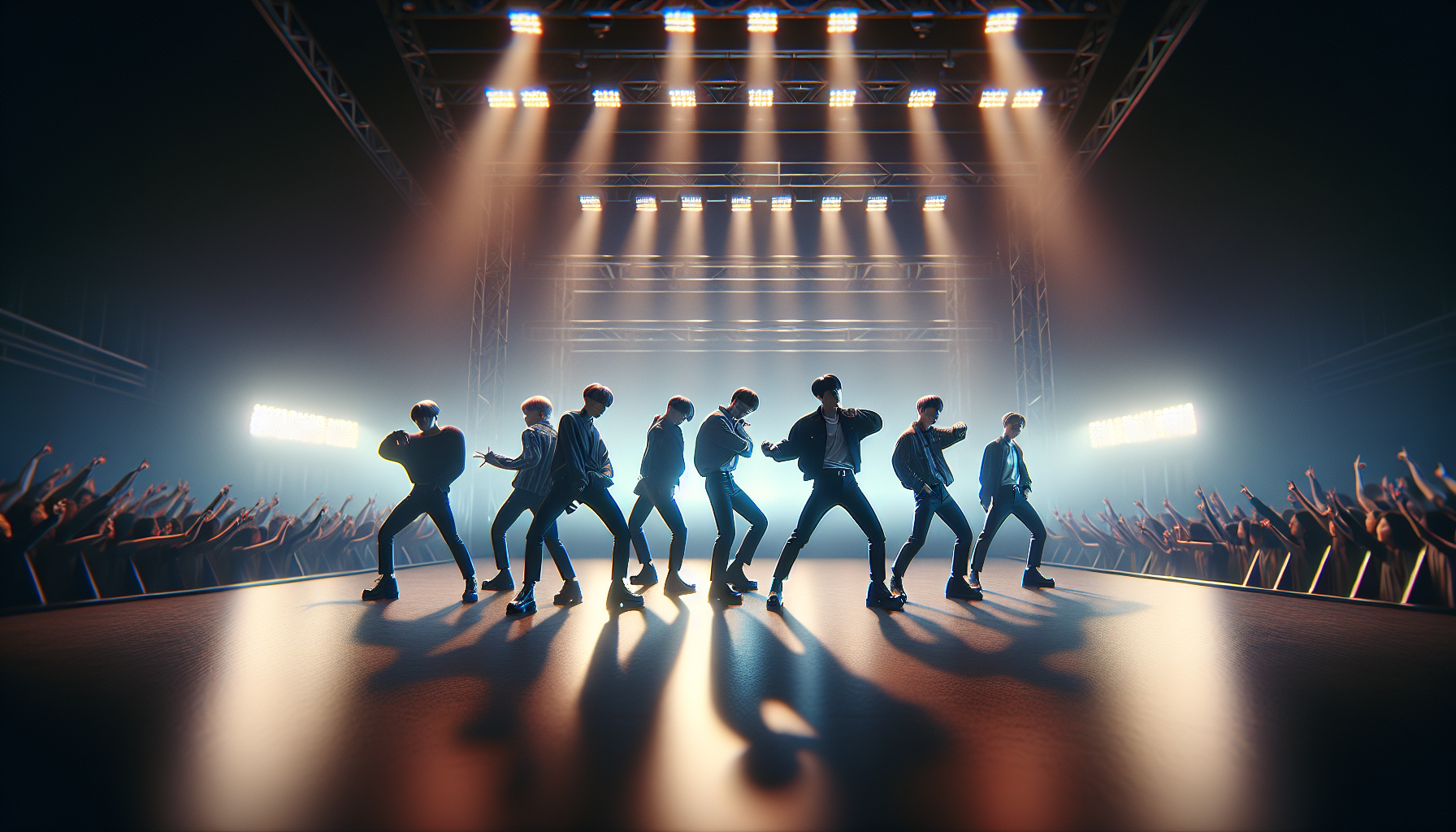
When BTS took the stage in Seoul and Netflix carried the signal to millions of screens worldwide, it was more than a pop concert. It was a calculated stress test of a strategy that the world's dominant streaming platform has been quietly assembling for the better part of two years: the idea that live, communal, unmissable television can be manufactured, not just stumbled upon.
Netflix has long thrived on the opposite of live. Its entire architecture was built around the pause button, the binge, the algorithm that learns what you want before you know you want it. Live events introduce friction, technical risk, and the terrifying possibility of nothing happening when someone presses play. So the decision to stream a BTS comeback spectacular from the heart of Seoul, targeting a global audience expected to number in the millions, is not a small operational footnote. It is a philosophical shift.
The pressure driving Netflix toward live content is structural. Subscriber growth in mature markets like the United States has slowed considerably, and the company has been forced to find new levers. Password-sharing crackdowns delivered a short-term bump, but they are a one-time correction rather than a durable engine. Advertising revenue through its lower-cost tier is growing, but advertisers pay premium rates for one thing above almost everything else: guaranteed, simultaneous eyeballs. Live events deliver exactly that.
BTS is not a random choice of partner here. The group commands one of the most organized and globally distributed fan communities in the history of popular music. ARMY, as the fanbase is known, operates with a coordination and intensity that most political movements would envy. When BTS announces anything, the information travels faster than most news cycles can track. For Netflix, attaching its live infrastructure to that existing energy is less about building an audience and more about borrowing one that is already primed to show up at a specific moment. That is the rarest commodity in modern media.
The comeback show also arrives at a particular inflection point for BTS itself. Several members completed mandatory South Korean military service, making the group's return a genuine cultural event rather than a routine promotional cycle. Netflix understood that the reunion carried emotional weight that no scripted drama could replicate. The platform has been explicit that its live ambitions are centered on moments that, in the words of its own framing, "pull people together." A BTS reunion after years of separation is precisely that kind of gravitational event.
The second-order consequences of this strategy are worth watching carefully. If Netflix succeeds in establishing itself as a reliable home for major live events, it begins to compete directly with broadcast television and platforms like YouTube, which has hosted large-scale K-pop events for years, and Amazon, which has invested heavily in live sports rights. The competitive pressure this creates could accelerate rights inflation across the entire live entertainment industry, making it more expensive for smaller or regional platforms to secure comparable talent.
There is also a subtler feedback loop at work inside Netflix's own product. Every successful live event trains subscribers to think of Netflix not just as a library to browse but as a destination to schedule around. That behavioral shift, if it takes hold, changes the platform's relationship with time in a way that has profound implications for how it prices subscriptions, sells advertising, and negotiates with talent. A subscriber who clears their evening calendar for a Netflix live event is a fundamentally different kind of customer than one who watches a documentary on a Tuesday afternoon.
For the K-pop industry more broadly, a Netflix partnership at this scale signals that Western streaming infrastructure is now genuinely interested in Korean cultural exports as live spectacle, not just as catalog content. That opens doors for other artists and agencies, but it also introduces the risk that the intimacy and fan-driven culture that made K-pop globally compelling could be gradually absorbed into the homogenizing logic of a platform optimized for maximum simultaneous reach.
Netflix has spent a decade teaching the world to watch alone, together. With BTS lighting up Seoul and the platform carrying that light to every timezone at once, it is now trying to teach the world to watch together, together. Whether the infrastructure, the appetite, and the economics can all align consistently enough to make that a repeatable business is the question that will define the next chapter of streaming.




Discussion (0)
Be the first to comment.
Leave a comment