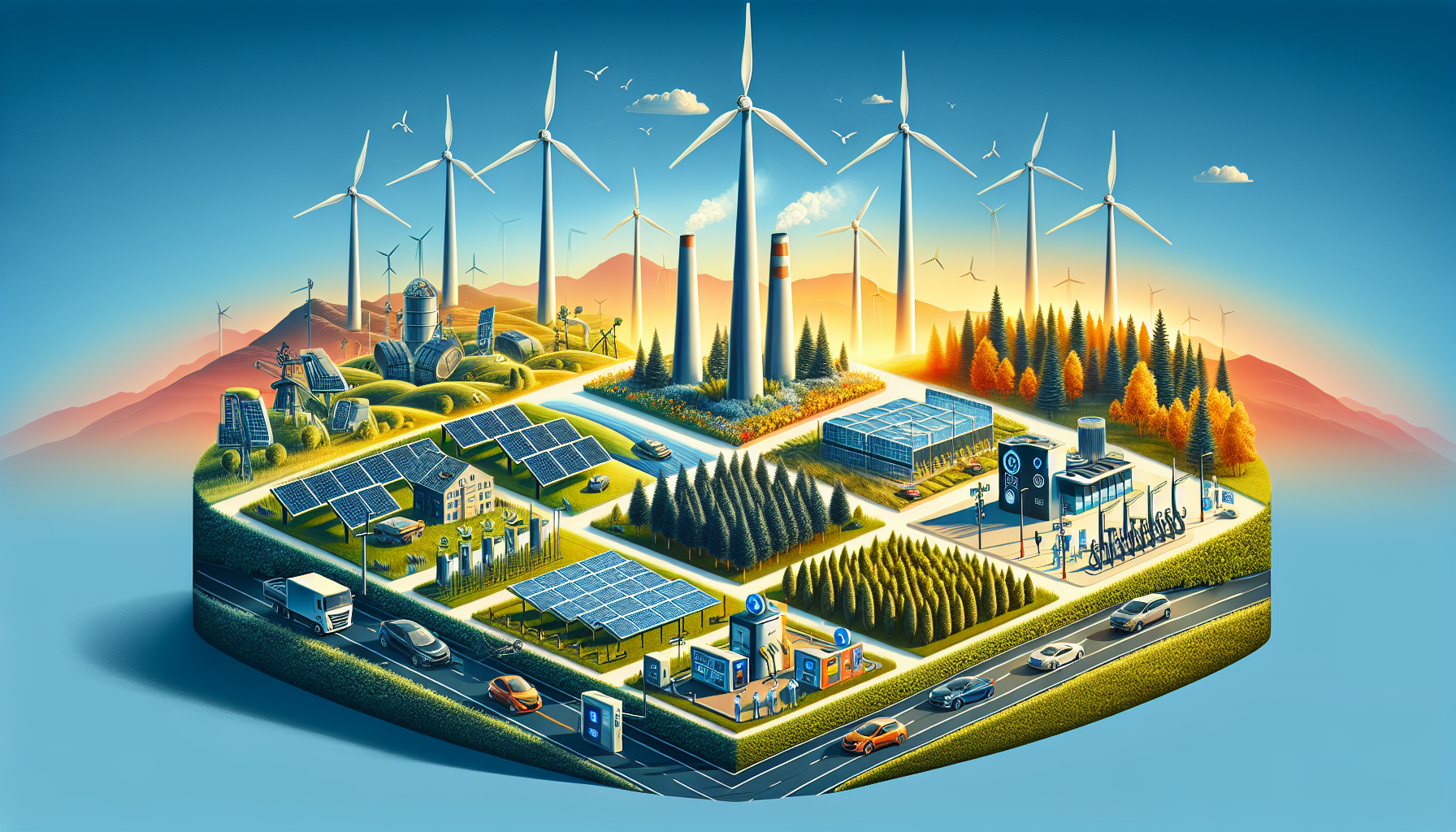
The pledge made at COP28 in Dubai to transition away from fossil fuels was, by any measure, a historic moment. For the first time in three decades of UN climate negotiations, the words "fossil fuels" appeared in the final text of a global agreement. Diplomats celebrated. Activists cautiously exhaled. But a commitment written into a conference document and a commitment that actually reshapes the global energy system are two very different things, and the distance between them is where climate policy goes to die.
Switzerland's lead climate negotiator has now set out what a credible roadmap for that transition must actually contain, identifying six key elements that would shift the fossil fuel pledge from symbolic language into something with teeth. The intervention matters not just because Switzerland punches above its weight in multilateral diplomacy, but because it arrives at a moment when the architecture of the post-COP28 process is still being designed. What goes into the roadmap now will shape what governments feel obligated to do for years.
The core problem with the Dubai text was always its ambiguity. "Transitioning away" is not the same as "phasing out," and that linguistic compromise was the price of getting petrostates into the tent. But ambiguity that serves a negotiating moment becomes a liability the moment implementation begins. Without a shared definition of what the transition looks like, every country can claim compliance while doing something entirely different. Saudi Arabia can point to its solar investments. The United States can point to its Inflation Reduction Act. And global emissions can keep rising.
This is why the Swiss framing is significant. A roadmap, to be credible, needs more than a destination. It needs milestones, accountability mechanisms, and a clear methodology for measuring progress. It needs to distinguish between countries at different stages of development, since asking Mozambique and Germany to transition on identical timelines is neither equitable nor politically viable. And it needs to address the financing gap honestly, because the transition away from fossil fuels in the Global South will not happen through goodwill alone. The International Energy Agency has estimated that clean energy investment in emerging and developing economies needs to more than triple by 2030 to stay on a 1.5-degree pathway. That money is not currently materialising at anywhere near the required scale.
There is a systems dynamic at work here that rarely gets the attention it deserves. The longer the roadmap remains vague, the more fossil fuel infrastructure gets locked in. Every new gas terminal approved, every coal plant given a ten-year extension, every oil field brought into production creates a constituency with a financial interest in delay. These are not abstract forces. They are pension funds, sovereign wealth vehicles, and national budgets in countries where hydrocarbon revenues fund hospitals and schools. The political economy of transition is not simply a matter of political will. It is a matter of who bears the stranded asset risk, and right now that question has no credible international answer.
The second-order consequence of a weak or delayed roadmap is therefore not just slower emissions reductions. It is the gradual hardening of opposition to transition itself, as more actors accumulate sunk costs in the old system. A vague roadmap does not hold the line. It actively makes the problem harder to solve by allowing investment patterns to continue that will later require even more painful unwinding.
This is the trap the Swiss negotiator is implicitly trying to help the international community avoid. Specificity now is cheaper than renegotiation later. A roadmap with clear sectoral benchmarks, transparent review cycles, and a credible just transition finance mechanism creates the kind of predictability that actually moves private capital. Investors do not need certainty. They need a credible signal that the direction of travel is locked in. That is what a serious roadmap provides that a diplomatic communiqué cannot.
The next major test will come at COP30 in Belém, Brazil, where new national climate plans are due and where the Brazilian presidency has signalled an intention to raise ambition. Whether the fossil fuel transition roadmap arrives in Belém as a living document with real accountability structures, or as a footnote to a footnote, will say something important about whether the multilateral climate system has learned anything from thirty years of well-worded agreements that did not bend the curve. The architecture being designed right now, in working groups and negotiating rooms that most people will never hear about, is the thing that actually matters.
Discussion (0)
Be the first to comment.
Leave a comment