
Dara Khosrowshahi has never been shy about where he thinks Uber is headed. The company that built its entire business model on the labor of millions of independent contractors is now, by its own CEO's admission, actively working toward a future where those contractors are no longer needed. Speaking at Uber's annual GO-GET event in New York, Khosrowshahi went further than most executives dare to go in public, suggesting that artificial intelligence could eventually replace not just drivers, but leadership roles too, including his own.
That kind of candor is either refreshing or alarming depending on where you sit. For the roughly 5.4 million drivers and couriers who earned money on Uber's platform as of the company's last reported figures, it lands closer to the latter.
Khosrowshahi's comments are not a philosophical musing. They reflect a very real strategic direction that Uber has been telegraphing for years through its investments in autonomous vehicle partnerships, its deals with Waymo, and its broader push to position itself as a logistics and mobility platform rather than a gig-labor marketplace. The distinction matters enormously. A platform that moves people and packages using software and robotics carries fundamentally different cost structures, liability profiles, and investor narratives than one that depends on millions of human workers showing up with their own cars.
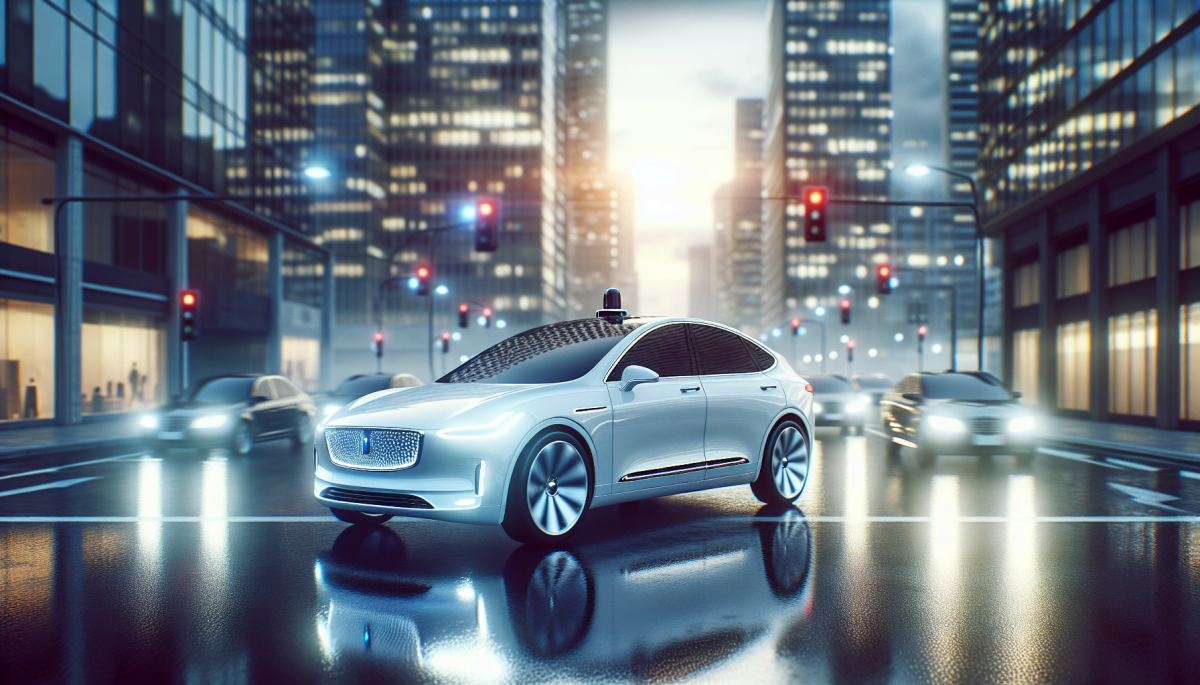
The financial incentive is almost too obvious to state. Driver payments represent the single largest cost in Uber's unit economics. Every autonomous mile driven is a mile where the company captures revenue without splitting it with a human. When Waymo vehicles operate through the Uber app in cities like San Francisco and Phoenix, Uber collects a platform fee without bearing the cost of the driver. Scale that model across dozens of cities and the margin transformation would be dramatic.
What makes Khosrowshahi's position unusual among tech CEOs is his willingness to include himself in the disruption narrative. Saying AI might replace his own job is partly a rhetorical move, a way of signaling that the transformation is universal and therefore somehow more fair. But it also reflects a genuine shift in how executives at AI-adjacent companies are thinking about organizational structure. If AI systems can synthesize market data, model strategic scenarios, and generate operational decisions faster than any human team, the traditional C-suite role does begin to look more like a coordination function than a judgment function.
The second-order effects of Uber's autonomous pivot extend well beyond the gig economy debate that tends to dominate coverage of this topic. Consider what happens to urban insurance markets when the majority of ride-hail trips are completed by autonomous vehicles. Personal auto insurers have already been watching ride-hail erode their core customer base in dense cities. A wholesale shift to robotaxis accelerates that pressure while simultaneously creating a concentrated commercial insurance market dominated by a handful of AV operators. Pricing power, risk modeling, and regulatory frameworks would all need to be rebuilt from scratch.
There is also the municipal revenue question. Cities like Chicago, New York, and Los Angeles have structured congestion pricing, licensing fees, and transportation network company taxes around the assumption of human drivers who can be regulated, fined, and taxed as individuals. Autonomous fleets owned by corporations present an entirely different regulatory surface, one that most city governments are not yet equipped to manage. The tax base implications alone could reshape how cities fund transit infrastructure.
And then there is the labor displacement feedback loop that economists have been modeling with increasing urgency. Uber driving has functioned as a flexible income buffer for millions of workers during periods of unemployment, economic transition, or income volatility. Remove that buffer and the social safety net faces new pressure precisely when other automation-driven job losses may already be straining it. The gig economy, for all its documented flaws around worker classification and benefits, absorbed a significant amount of labor market slack. Its automated replacement does not.
Khosrowshahi is a skilled operator who has guided Uber from near-collapse under its previous leadership to consistent profitability. His honesty about AI's trajectory inside his own company is notable. But honesty about disruption is not the same as having a plan for it. The more interesting question is not whether AI replaces Uber drivers. It is what replaces the economic function those drivers currently serve, and whether anyone in a position of power is seriously designing for that answer.
Discussion (0)
Be the first to comment.
Leave a comment