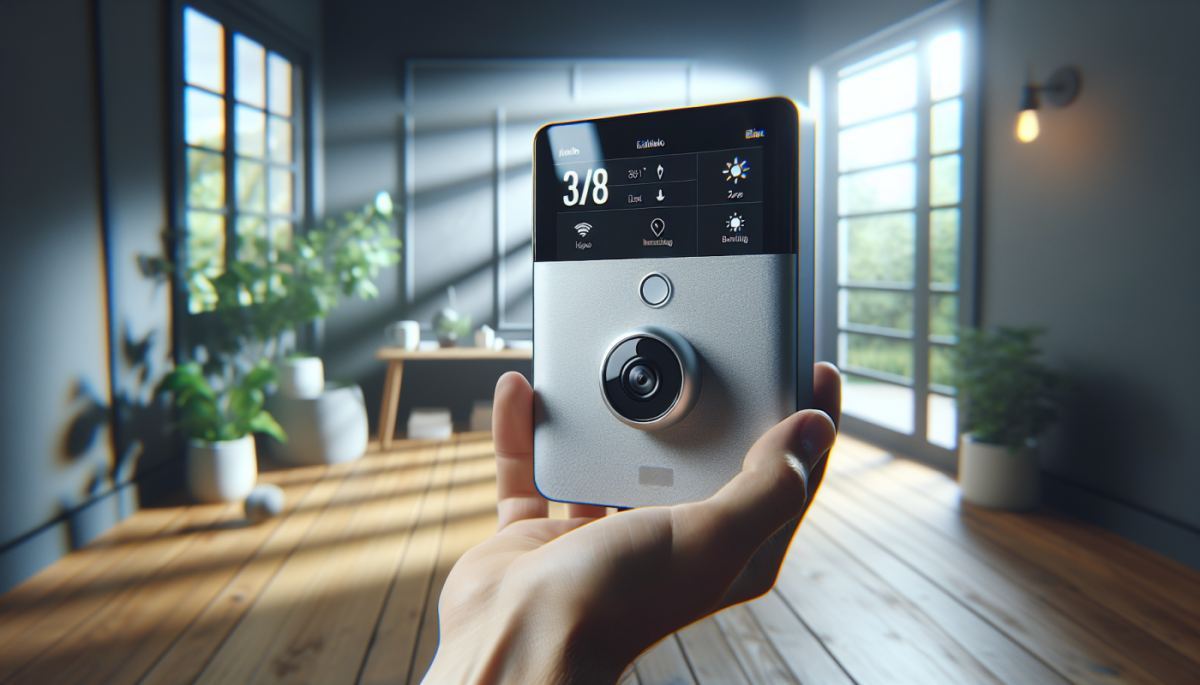
A $40 discount on Google's battery-powered Nest Doorbell sounds like a straightforward retail deal. But the timing, the technology, and the quiet normalization of always-on home surveillance cameras deserve a closer look than a deal roundup typically offers.
The Nest Doorbell, in its battery-powered form, sits at the more accessible end of Google's smart home lineup. Untethered from wiring requirements, it lowers the installation barrier dramatically, which is precisely the point. You don't need an electrician, a landlord's blessing for major modifications, or even a particularly handy afternoon. You mount it, charge it, and within minutes a camera is watching your front door and feeding footage to Google's servers. At full price, that convenience costs consumers a meaningful amount. At $40 off, the psychological friction drops further, and that's where the systems story begins.
Video doorbells have become one of the fastest-adopted categories in consumer home technology, and the reasons aren't hard to understand. Package theft has surged alongside the explosion of e-commerce. Porch piracy, as it's been dubbed, costs Americans billions of dollars annually, and the doorbell camera has become a kind of distributed neighborhood watch, one that doesn't require anyone to actually watch. The appeal is real. You're in a meeting, your phone buzzes, you glance at a live feed, and you decide whether the FedEx driver needs a signature or whether the person lingering near your steps warrants a two-way audio warning. That's genuinely useful.
But the incentive structure behind these discounts is worth examining. Google, like Amazon with its Ring ecosystem, is not primarily a hardware company. It is a data company. Every discount that moves a Nest Doorbell off a shelf is also a discount that expands Google's network of connected home devices, deepens user dependency on the Google Home app ecosystem, and, critically, adds another node to a growing web of residential surveillance infrastructure. The hardware margin matters less than the platform lock-in and the behavioral data that flows from it.
This isn't a conspiracy. It's a business model, and it's hiding in plain sight. Google has been transparent that Nest devices integrate with its broader ecosystem, and users who want advanced features like extended video history must pay for a Google One or Nest Aware subscription. The doorbell, in other words, is partly a subscription acquisition tool. The $40 discount is an investment in future recurring revenue.
The deeper consequence here is one that urban planners, civil liberties researchers, and criminologists are only beginning to grapple with. As video doorbells proliferate, particularly in suburban and residential neighborhoods, they are quietly constructing a privatized surveillance grid. Individual homeowners make individual purchasing decisions, often motivated by entirely reasonable concerns about package theft or personal safety. But the aggregate effect is a neighborhood where nearly every arrival, departure, and sidewalk interaction is recorded by a device owned by a private citizen and stored on a corporate server.
Law enforcement agencies have already recognized this. Amazon's Ring, for instance, built formal partnerships with thousands of police departments, allowing officers to request footage from homeowners through a dedicated portal. Google has faced similar questions about how Nest footage is handled in response to legal requests. The Electronic Frontier Foundation and other digital rights organizations have documented how this infrastructure, built consumer device by consumer device, creates surveillance capabilities that would have required significant public debate and investment if governments had tried to build them directly.
The Nest Doorbell discount, then, is a small but real accelerant in that process. Each sale extends the grid. Each subscription renewal funds the cloud infrastructure that stores the footage. And each new homeowner who installs one because it was on sale this week becomes another node in a network whose full implications were never part of the purchasing decision.
None of this means consumers shouldn't buy video doorbells. The convenience and security benefits are genuine, and the technology itself is not inherently harmful. But as these devices become as common as porch lights, the conversation about who owns that footage, who can access it, and what rights passersby retain deserves to move out of the fine print and into the open. The next time a doorbell goes on sale, that might be the more interesting question to ask.
Discussion (0)
Be the first to comment.
Leave a comment