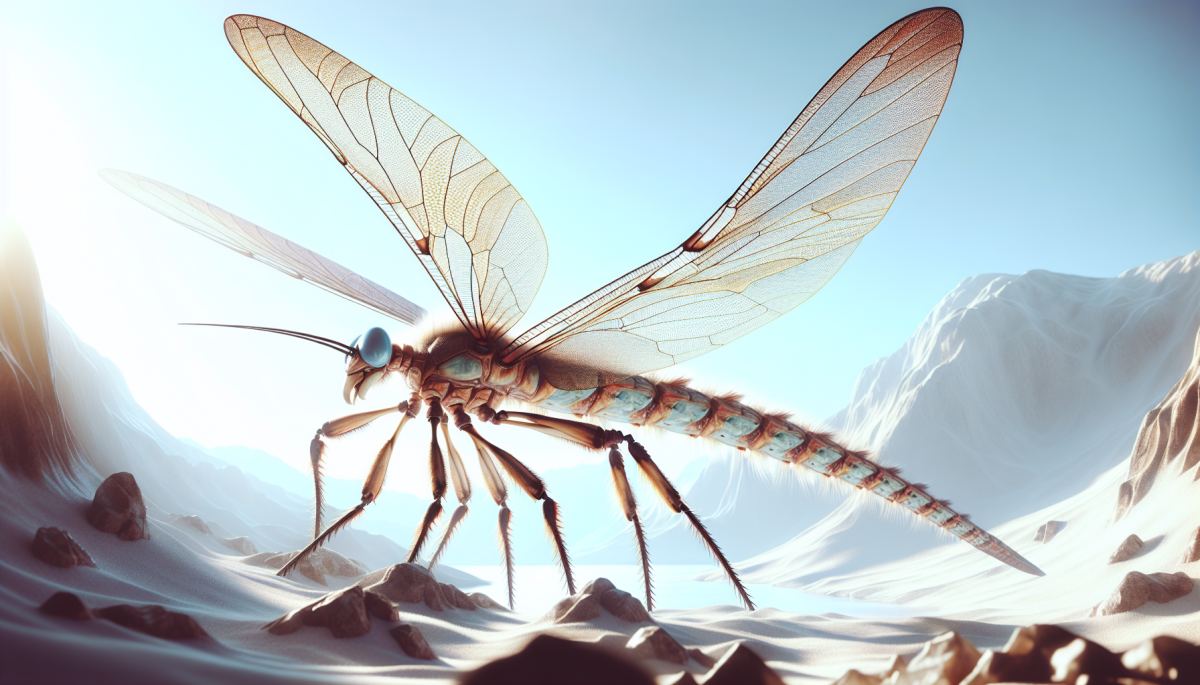
For decades, the reigning explanation for why ancient dragonflies grew to the size of hawks rested on a single, elegant premise: the atmosphere was richer in oxygen during the Carboniferous period, roughly 300 million years ago, and that surplus fueled insect gigantism. When oxygen levels dropped, the giants disappeared. It was a clean story, and like many clean stories in science, it may have been too clean.
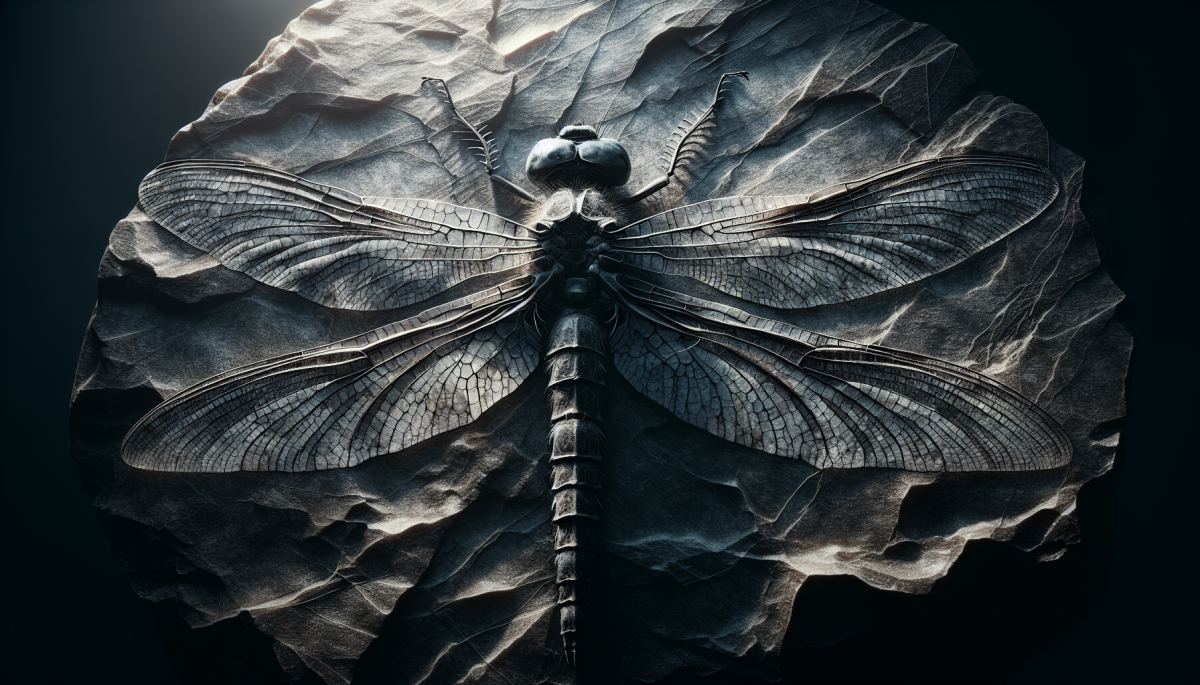
New research is challenging that explanation at its foundation. The argument against the oxygen hypothesis centers on breathing capacity: insects don't rely on lungs to move oxygen through their bodies. They use a network of tubes called tracheae, which deliver oxygen directly to tissues. The assumption had been that higher atmospheric oxygen was necessary to push enough gas through those tubes to sustain a massive body. But researchers now suggest that the tracheal system is far more adaptable than previously credited, capable of compensating across a wide range of atmospheric conditions. In other words, a two-foot dragonfly might not have needed an oxygen-saturated sky to survive. It might have managed just fine in something closer to what we breathe today.
The oxygen-gigantism link has been a cornerstone of paleontology and evolutionary biology for years. Studies of fossilized insects alongside geochemical proxies for ancient atmospheric composition seemed to show a correlation: bigger bugs appeared when oxygen was high, and shrank when it fell. The logic was intuitive enough to become textbook material. But correlation, as any systems thinker knows, is not mechanism, and the mechanism here is now being questioned seriously.
If breathing capacity could compensate for lower oxygen concentrations, then the disappearance of giant insects needs a different explanation entirely. Candidates aren't hard to find. The rise of flying vertebrates, particularly birds and their predecessors, introduced a new predation pressure that may have made large, slow-turning bodies a liability rather than an asset. Ecological competition, habitat change driven by shifting climates, and the structural costs of maintaining an enormous exoskeleton are all plausible drivers that have received less attention precisely because the oxygen story seemed sufficient.
There's also a developmental angle worth considering. Insect growth is constrained by molting cycles, and the energetic cost of building a larger body scales in ways that don't always favor gigantism even when the atmosphere would theoretically permit it. The oxygen hypothesis, by focusing on a single atmospheric variable, may have crowded out a richer, more multivariate understanding of why body size evolves and collapses across geological time.
The deeper issue here isn't just about dragonflies. It's about how scientific consensus forms around elegant single-cause explanations and how long those explanations can persist even when the underlying evidence is ambiguous. The oxygen-gigantism hypothesis had the advantage of being testable in principle and visually compelling in practice. A dragonfly with a two-foot wingspan is the kind of image that makes a mechanism feel real.
But science that relies on fossilized proxies for atmospheric composition is working with significant uncertainty. The geochemical models used to reconstruct Carboniferous oxygen levels carry error bars wide enough to drive a pterosaur through. When those models are used to anchor a causal story about insect physiology, the compounded uncertainty rarely gets the emphasis it deserves in popular accounts.
The second-order consequence of revising this hypothesis is subtle but important. If oxygen levels weren't the primary constraint on insect size, then the question of whether giant insects could theoretically re-evolve under current atmospheric conditions becomes more open. It also reframes how researchers should think about the relationship between atmospheric chemistry and animal body plans more broadly. The feedback loops between evolving organisms and their atmospheric environment, a field sometimes called Earth system biology, are more complex than a single variable rising and falling on a chart.
What drove the giants to extinction, or more precisely, what prevented their descendants from staying giant, likely involved a tangle of pressures acting simultaneously across millions of years. That's a harder story to tell, and a harder one to fit into a textbook. But it's probably closer to the truth, and the dragonfly, ancient and improbable, deserves an explanation as intricate as its own evolutionary history.
Discussion (0)
Be the first to comment.
Leave a comment