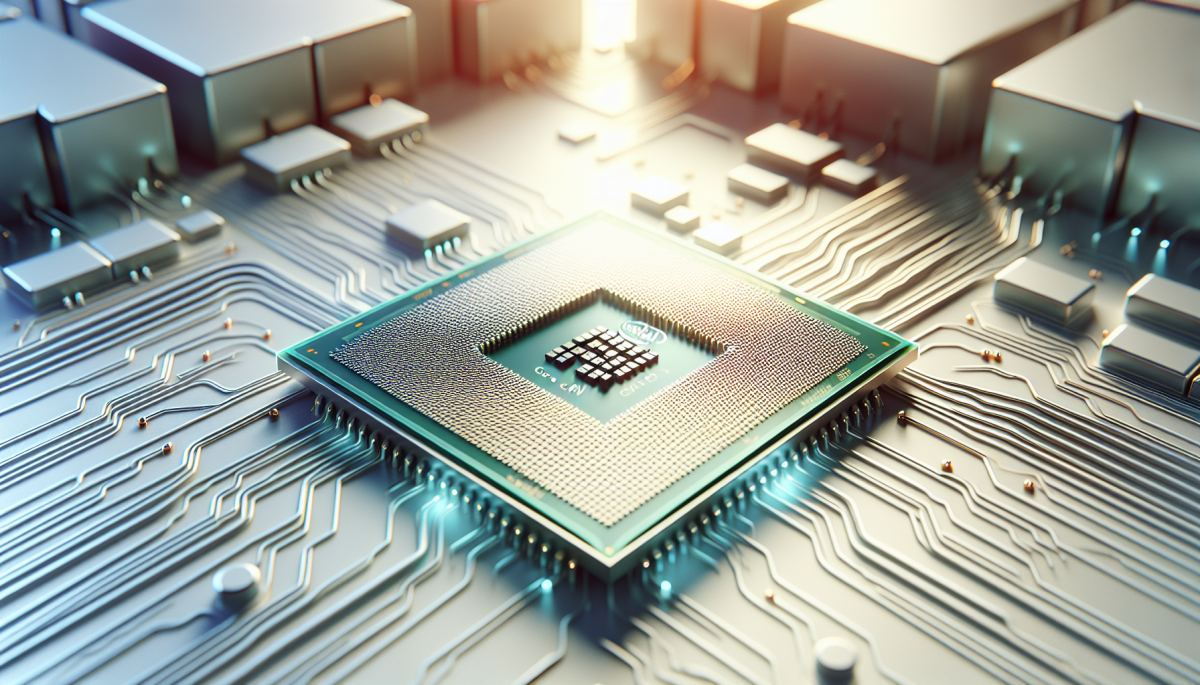
For years, Intel's pattern was predictable: cutting-edge architecture arrived first in premium processors, and budget buyers waited, sometimes for years, to inherit the leftovers. That trickle-down timeline is now compressing. Intel has refreshed its non-Ultra Core CPU lineup with genuinely new silicon, marking the first time in a significant stretch that mainstream and budget-tier processors are receiving architectural improvements rather than repackaged older designs.
This matters more than a typical product refresh because of where the volume actually lives. The enthusiast and Ultra-tier market is loud and well-covered, but the overwhelming majority of consumer and commercial PC purchases happen in the mid-range and entry-level segments. When Intel updates those chips with new silicon rather than a rebadged die, the downstream effects ripple through laptop manufacturers, enterprise procurement cycles, system integrators, and ultimately the hundreds of millions of users who never read a spec sheet.
Intel has been navigating one of the most turbulent periods in its corporate history. Manufacturing delays, the painful transition away from its own fabs toward TSMC for certain product lines, and relentless competitive pressure from AMD's Ryzen series and Apple's M-series chips have forced the company to rethink how it sequences architectural improvements across its product stack. Historically, holding back new silicon from budget tiers was a deliberate margin strategy: premium chips command premium prices, and cannibalizing that with cheaper alternatives carrying the same core technology was seen as a revenue risk.
But that calculus has shifted. AMD has been aggressive in delivering strong performance per dollar across its entire lineup, not just at the top. Apple's silicon has redefined what users expect from efficiency and integrated performance. Intel, facing share erosion in both consumer and commercial markets, can no longer afford to let its lower tiers stagnate while rivals close the gap from below. Refreshing non-Ultra Core chips with new silicon is, in part, a defensive move dressed up as a product announcement.
There is also a manufacturing logic at play. As Intel works through its process node transitions and rationalizes its fab strategy, the economics of producing newer silicon at scale improve. Spreading a new architecture across more SKUs helps amortize development costs and keeps factories running at higher utilization, which matters enormously for a company that has staked its future on rebuilding domestic manufacturing capacity under the Intel Foundry Services banner.
The second-order consequences here are worth tracking carefully. When better silicon reaches the mid-range, it raises the baseline of what a $500 to $800 laptop can do. That has a compounding effect on software developers, who can begin targeting higher performance floors without alienating the bulk of their user base. It also puts pressure on Microsoft, whose Windows 11 hardware requirements have already frustrated users on older machines, to demonstrate that its operating system can extract meaningful gains from the improved hardware rather than simply demanding it.
For enterprise buyers, a mid-range silicon refresh can quietly accelerate refresh cycles. IT departments that have been holding off on fleet upgrades, waiting for a compelling reason to move off aging Core 10th or 11th generation machines, now have a more concrete performance and efficiency argument to bring to procurement committees. That represents a significant volume opportunity, and it is the kind of demand signal that component suppliers, memory manufacturers, and display panel makers all watch closely.
There is a subtler systemic risk embedded in this shift as well. If Intel successfully compresses the gap between its budget and premium tiers, it risks undermining the perceived value of its own Ultra lineup. Consumers who find that a non-Ultra chip meets 90 percent of their needs at 60 percent of the price will rationally choose down. Intel will need to ensure its premium differentiation remains legible and meaningful, whether through AI acceleration features, thermal efficiency, or connectivity options, or it may find that democratizing its architecture comes at the cost of its own margin structure.
The PC industry has spent the better part of three years searching for a post-pandemic demand floor. Intel bringing new silicon to the chips that most people actually buy is one of the more concrete signals that the industry is shifting from contraction mode back toward genuine product competition. Whether that competition translates into a sustained market recovery, or simply reshuffles share among the same constrained pool of buyers, is the question that will define the next two years.
Discussion (0)
Be the first to comment.
Leave a comment