
When Costco added tariff surcharges to certain products earlier this year, customers paid them without much complaint, trusting that the fees reflected real costs passed down from suppliers. Now a proposed class action lawsuit is accusing the retail giant of something more troubling: collecting those surcharges from shoppers and then quietly seeking refunds from suppliers for the very same costs, effectively pocketing the difference. The lawsuit, which frames this as unjust enrichment, raises questions that go well beyond one company's accounting practices.
The core allegation is straightforward but the implications are layered. If a retailer charges a customer a tariff surcharge, the implicit understanding is that the surcharge exists to offset a real cost. If that cost is later recovered through supplier negotiations or government refund mechanisms, the argument goes, the retailer has been paid twice for the same expense. Unjust enrichment claims in U.S. law generally require showing that one party received a benefit at another's expense without a legal justification for keeping it. Whether Costco's conduct meets that threshold will depend heavily on the fine print of its membership agreements and how courts interpret the relationship between disclosed surcharges and backend supplier arrangements.
Costco is not alone in navigating this terrain. Across the retail sector, tariff surcharges became a common tool during the escalating U.S.-China trade tensions that intensified after 2018 and surged again in 2025 following the Trump administration's sweeping new tariff announcements. Retailers from small importers to major chains scrambled to pass costs forward to consumers while simultaneously pressuring suppliers to absorb as much of the burden as possible. That dual pressure is standard commercial practice. What makes the Costco case notable is the allegation that the company pursued formal refunds on tariffs already billed to members.
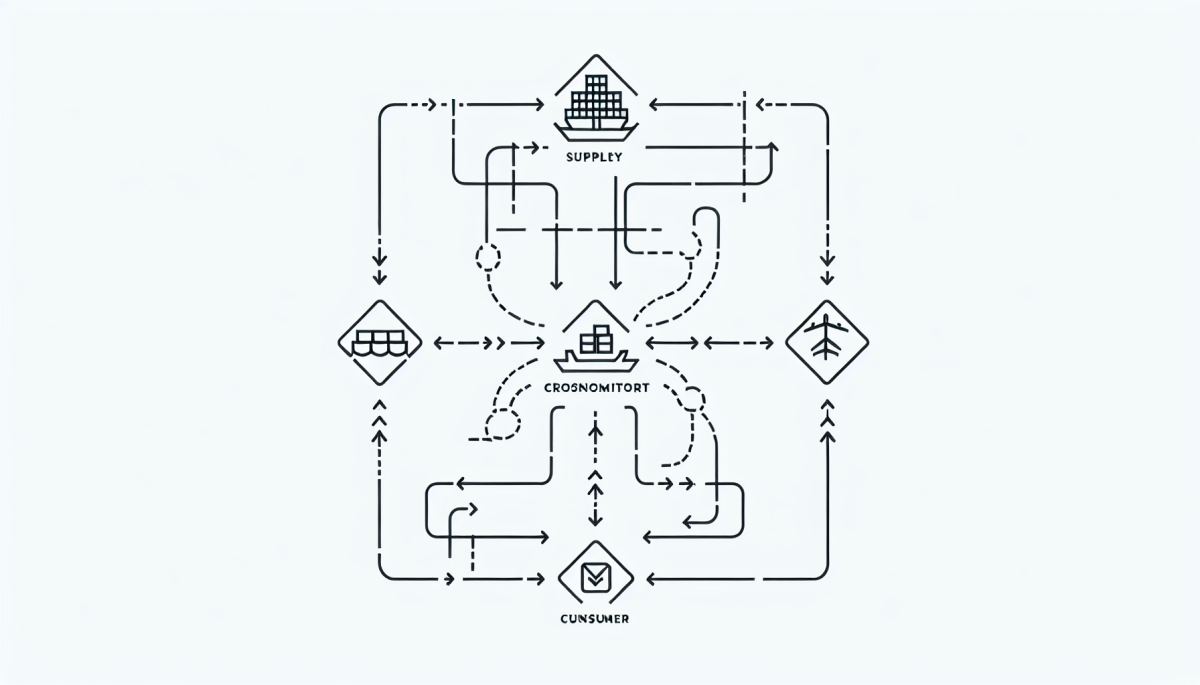
Understanding why this matters requires a brief look at how tariff costs actually move through a supply chain. When U.S. Customs collects a tariff, the legal importer of record pays it. That importer, often a retailer or its sourcing arm, then has several options: absorb the cost, renegotiate supplier contracts, shift sourcing to lower-tariff countries, or pass the cost to consumers through higher prices or explicit surcharges. Costco, which operates on notoriously thin margins and a membership-fee-driven business model, has historically been aggressive about protecting its price reputation. Adding a visible surcharge rather than quietly raising prices is, in that context, a transparency move. But transparency cuts both ways.
The lawsuit's unjust enrichment theory essentially argues that the surcharge created a kind of implicit contract with members: you are paying this because we paid it. If the company later recovered those funds, the logic of the surcharge collapses. Legal scholars have noted that unjust enrichment claims against large retailers face significant hurdles, particularly when membership agreements contain broad language about pricing discretion. Still, class actions of this type have succeeded before in cases where the gap between what was represented to consumers and what actually happened was clear enough to survive summary judgment.
The more interesting systemic consequence here is what this lawsuit signals about the future of tariff surcharges as a retail tool. If courts begin scrutinizing the relationship between consumer-facing surcharges and backend supplier recoveries, retailers may face pressure to either abandon explicit surcharges in favor of opaque price increases, or to establish clearer accounting trails that demonstrate costs were not double-recovered. Neither outcome is obviously good for consumers. Opaque price increases are harder to challenge and harder to reverse when trade conditions ease. Transparent surcharges, on the other hand, invite exactly the kind of legal scrutiny Costco is now experiencing.
There is also a feedback loop worth noting at the policy level. The Trump administration's tariff strategy was partly premised on the idea that foreign exporters would bear the cost. Economists broadly disputed that framing, and cases like this one illustrate the messiness of cost allocation in practice. Tariffs generate revenue for the government, costs for importers, surcharges for consumers, and now apparently litigation for retailers who tried to manage all of the above simultaneously. The money rarely stays where policymakers say it will.
For Costco's 130 million cardholders, the immediate stakes are modest. Class action settlements in consumer pricing cases rarely produce meaningful individual payouts. But the precedent, if the case advances, could reshape how every major retailer communicates the relationship between trade policy costs and what appears on a receipt. In a trade environment that shows no signs of stabilizing, that clarity may matter more than any single refund check.
Discussion (0)
Be the first to comment.
Leave a comment